

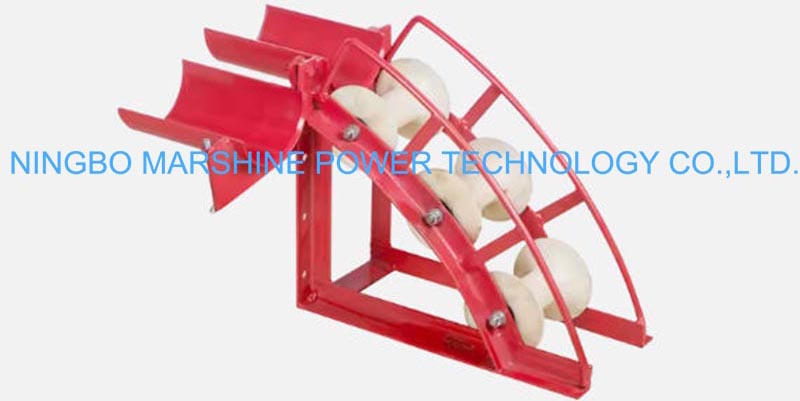
Sourcing the right bend cable roller is a strategic move for B2B distributors and procurement teams in power grid construction. These essential tools feature heavy-duty steel frames and smooth-rolling sheaves designed to guide thick, heavy power cables around tight jobsite corners. Because utility projects rely on continuous, snag-free cable pulling, roller quality directly influences project timelines and safety.
For wholesale buyers, stocking reliable equipment secures repeat business from demanding contractors. High-quality bend cable rollers feature precision bearings and high-load capacities that prevent costly cable jacket damage during installation. Intelligent sourcing builds a product portfolio that meets the rigorous demands of underground and aerial circuitry construction while maintaining healthy profit margins.
Impact on project efficiency and cable protection
Contractors require bend cable rollers that offer low-friction rotation and optimal bend radius maintenance. Poor roller performance increases friction, leading to cable strain or outer sheath tearing. Supplying rollers with advanced, safe, and easy-to-handle features ensures pulling winches do not overexert, protecting both the expensive cables and the pulling equipment.
Key commercial factors for importers and distributors
Importers must balance unit cost with product lifespan. Rollers featuring weather-resistant galvanized frames and replaceable wheels offer a better total cost of ownership. Distributors stocking these durable models can command premium pricing, reduce return rates, and build a reputation for reliability in the competitive electrical power equipment market.
Portfolio fit across cable pulling tool categories
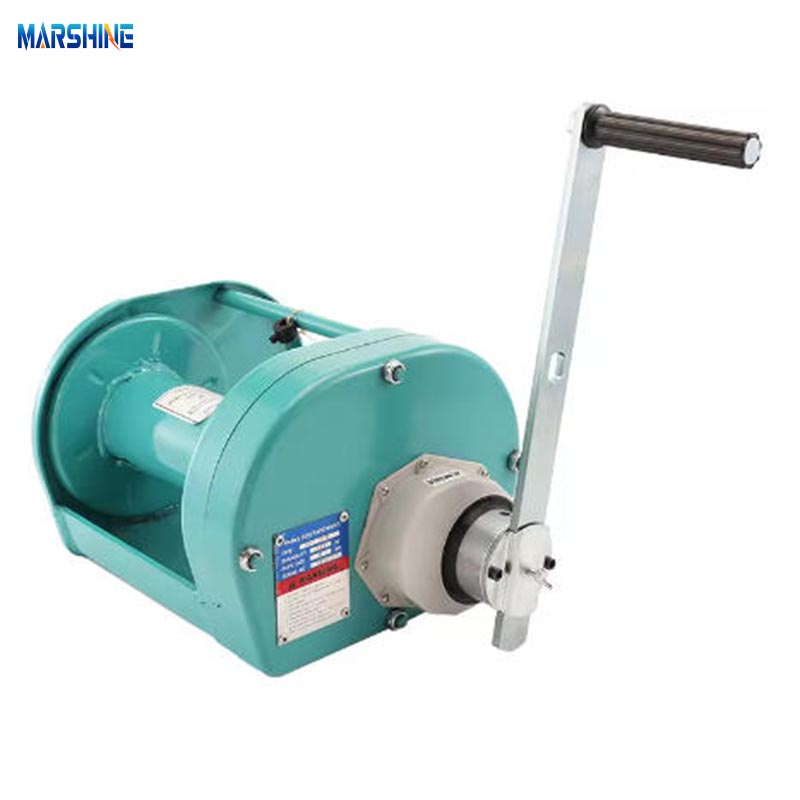
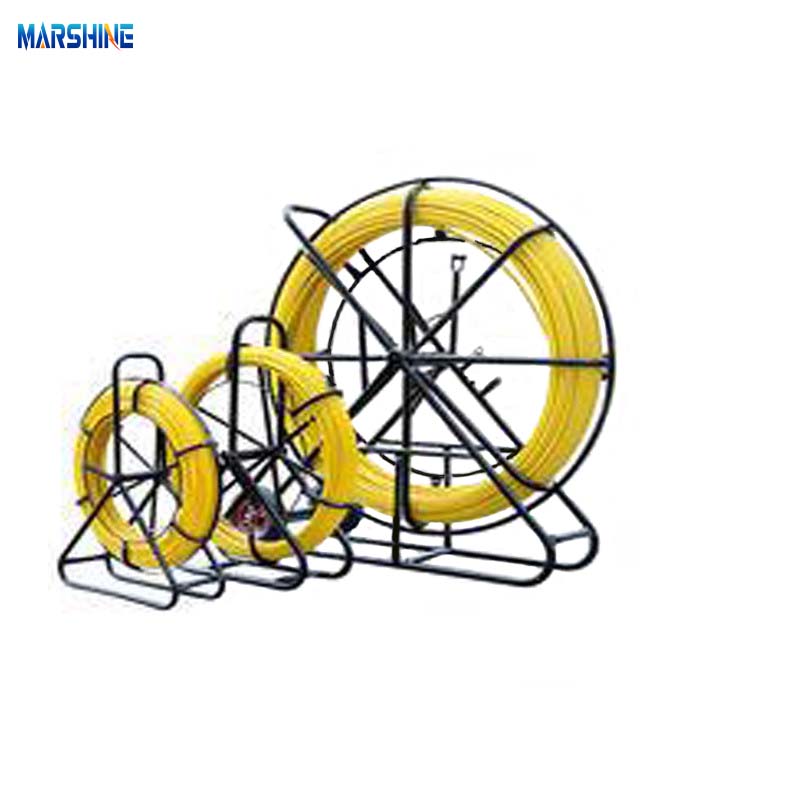
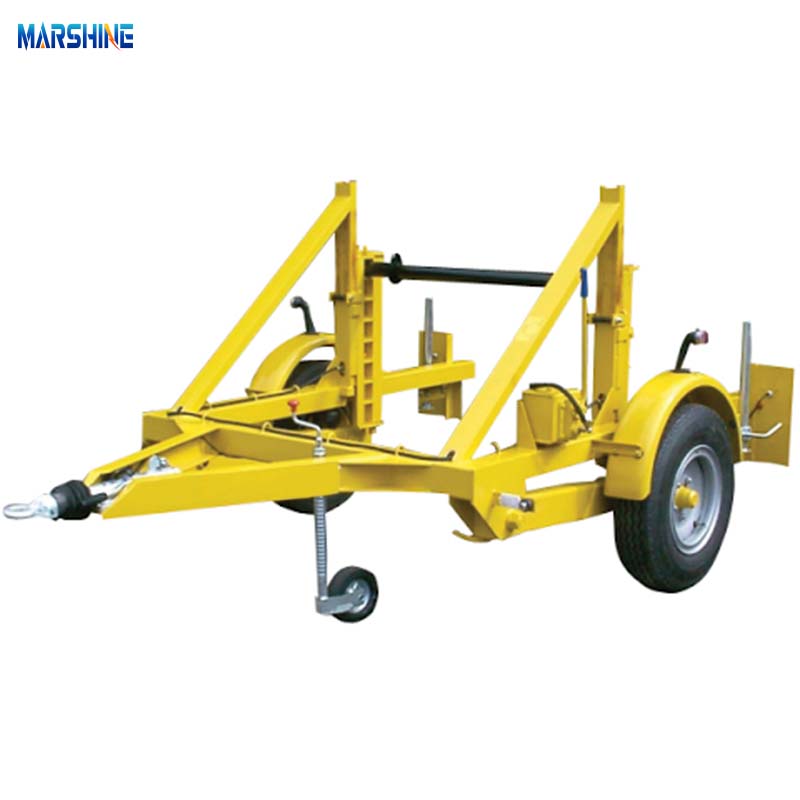
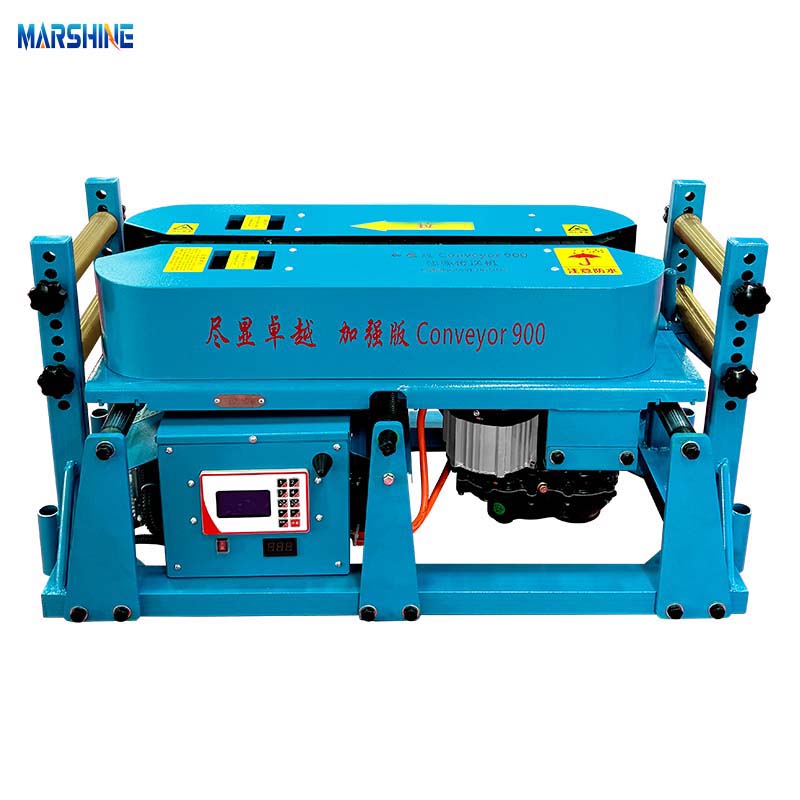
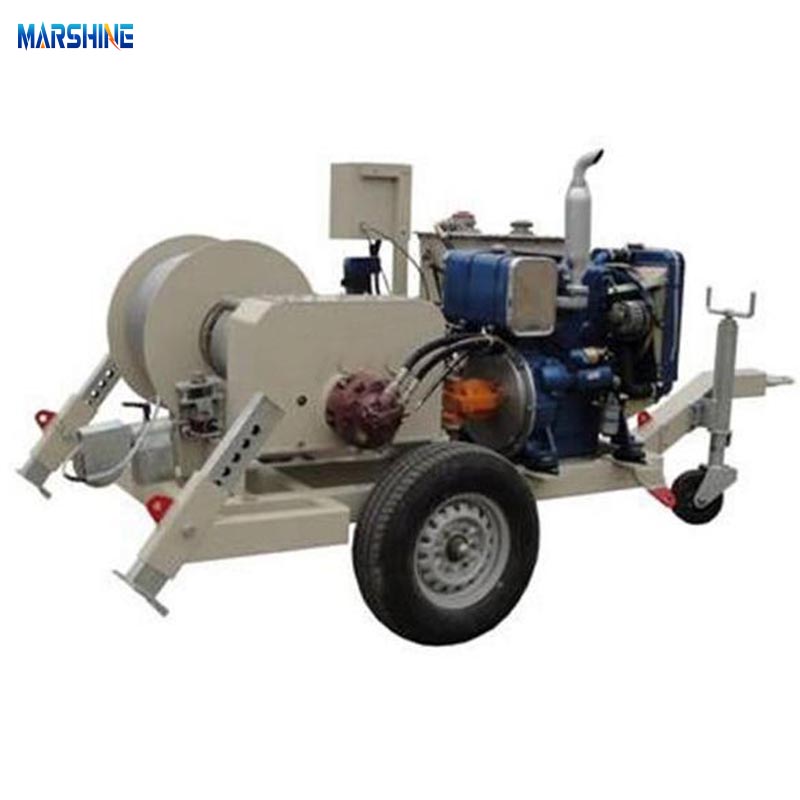
A robust catalog extends beyond a single tool. Bend rollers naturally complement other circuitry construction tools like cable pulling winches, duct rodders, and cable drum trailers. By sourcing from a manufacturer like MARSHINE, which offers over a thousand tools across 20 series, distributors can create bundled packages providing end-to-end solutions for clients.
What a Bend Cable Roller Is and Which Specifications to Define First
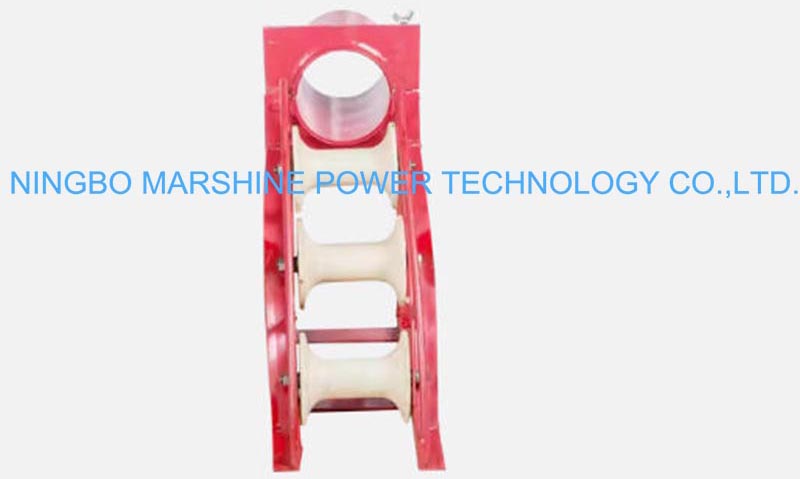
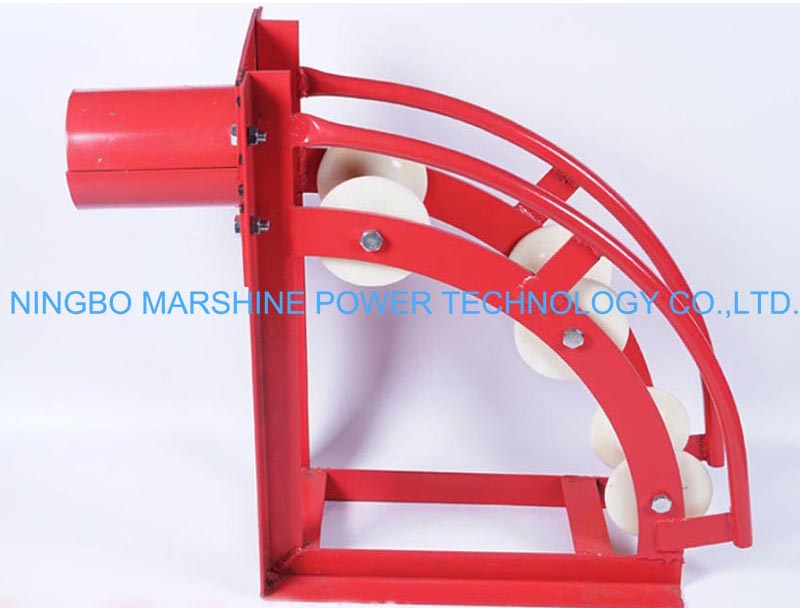
A bend cable roller is a specialized guiding tool used to route power and communication cables through curves, trenches, and manholes. Its primary feature is a curved, multi-roller configuration—usually utilizing three or more individual wheels mounted on a robust frame. This design distributes the cable's lateral pressure, ensuring smooth bending without exceeding the minimum bending radius.
Before requesting quotes, procurement teams must pinpoint the exact specifications required by their target market. Standard features to define include the maximum cable diameter, the safe working load limit, and the base plate's overall footprint. Knowing these details prevents mismatched orders and ensures safe performance in harsh jobsite conditions.
Common product types and configurations
The market offers several configurations, including standard corner rollers, triple-corner setups, and specialized entry guides. For instance, an entry cable roller features a funnel-like arrangement to guide cables safely into ducts or trenches. Understanding these variations helps buyers stock the right mix for diverse contractor needs.
Core technical parameters for supplier quotes
When approaching factories, specify the wheel diameter, bearing type (e.g., sealed ball bearings), and frame thickness. These parameters dictate the tool's heavy-duty capabilities. Providing a clear spec sheet ensures supplier quotes are comparable and that the products feature the necessary structural integrity for industrial use.
Application requirements by jobsite environment
Different environments demand specific product features. Underground trench work often requires rollers with wider, stake-down base plates for stability in loose soil, while manhole applications might need compact, linkable frames. Defining the end-use environment helps wholesale buyers select appropriate protective finishes and wheel materials.
How to Compare Bend Cable Roller Specifications Across Suppliers
When evaluating multiple factory quotes, savvy buyers look beyond the bottom-line price. The true value of a bend cable roller lies in its construction: the quality of the welds, the thickness of the tubular steel frame, and the smoothness of the wheel bearings. A cheaper quote often hides compromised materials that will buckle under the immense lateral tension of a heavy cable pull.
To effectively compare suppliers, procurement teams should create a weighted matrix scoring each manufacturer on material specs, surface treatment, and bearing lifespan. High-quality rollers feature hot-dip galvanized or heavily powder-coated frames to resist rust in muddy, wet trenches. Comparing these features ensures you are buying a professional-grade tool rather than a light-duty imitation.
Best comparison points for sourcing evaluation
Look closely at the load-bearing capacity and bearing type. Premium rollers feature sealed, deep-groove ball bearings that keep dirt and moisture out, ensuring long-term smooth rotation. Additionally, check the frame's modularity; some feature interlocking hinge pins that allow multiple rollers to connect into a continuous curve.
Wheel material trade-offs: nylon, aluminum, and steel
| Wheel Material | Key Features | Best Wholesale Application |
|---|---|---|
| Nylon | Lightweight, won't scratch cable jackets, corrosion-proof. | Standard power cables, telecom pulls, general trench work. |
| Aluminum | High strength-to-weight ratio, excellent heat dissipation. | Heavy-duty pulling where weight is a concern for transport. |
| Steel | Maximum durability, highest load capacity, highly wear-resistant. | Extreme heavy cable pulls, steel wire rope guiding. |
Sample approval checkpoints for durability and workmanship
Always order a sample before committing to a wholesale batch. Inspect it for smooth wheel rotation under simulated load, verify frame thickness with calipers, and check the quality of the weld seams. The finish should feature an even, durable coating without flaking or sharp edges that could snag a cable.
How to Evaluate Bend Cable Roller Manufacturers for OEM and Wholesale Supply
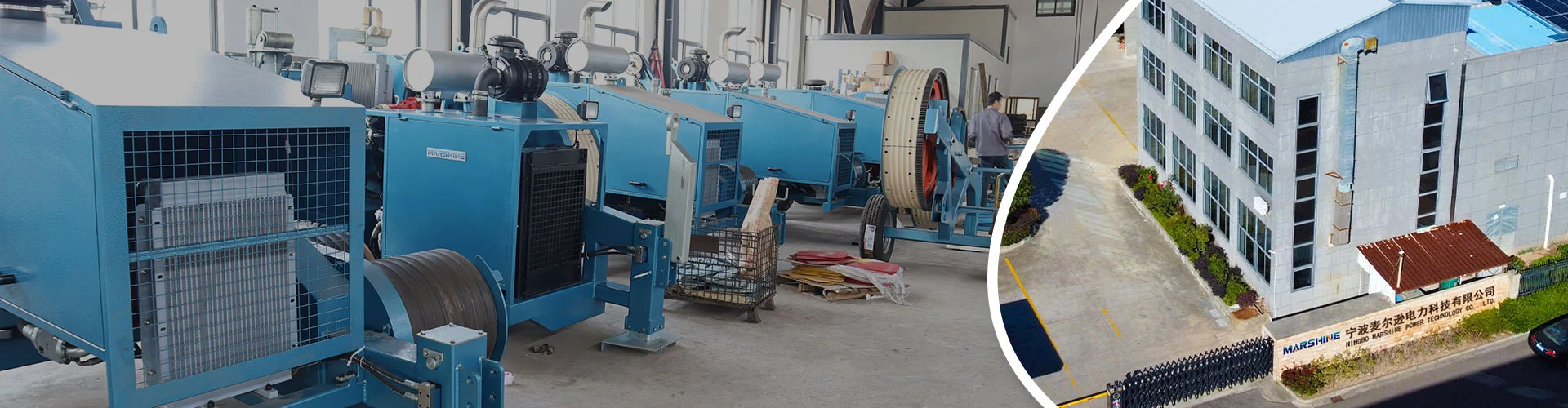
Finding a reliable factory partner is critical for long-term wholesale success. Partner with a manufacturer specializing in developing, designing, and manufacturing cable pulling tools, rather than a generic trading company. A specialized factory features a dedicated R&D department, robust quality control testing rigs, and a deep understanding of utility sector requirements.
Evaluating a supplier's quality management system is non-negotiable. Manufacturers that have passed certifications like GB/T19001-2008 demonstrate a commitment to consistent quality. A supplier consistently engaged in power grid construction tool manufacturing will inherently understand the safety and durability features end-users demand.
Factory capabilities to verify
Audit the factory's production lines to ensure they have in-house machining, welding, and surface treatment capabilities. A capable factory features automated CNC machinery for precise wheel turning and automated welding for consistent frame strength, ensuring every batch meets your exact specifications.
Supplier assessment within a broader tool sourcing strategy
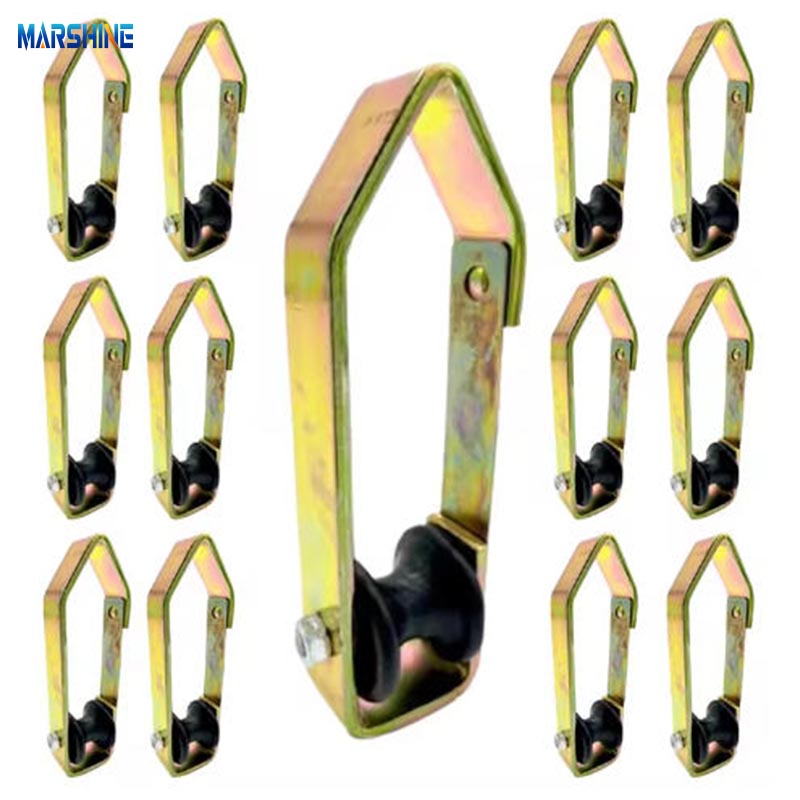
Assess whether the manufacturer can supply a full ecosystem of tools. A factory producing fiberglass duct rodders, cable grips, and universal stringing blocks alongside bend rollers allows you to consolidate your supply chain. This breadth of production heavily reduces overall procurement costs and streamlines imports.
Business credentials that reduce sourcing risk
Look for suppliers with a proven track record of exporting and a philosophy centered on user demand and customer satisfaction. A reliable partner promotes an "integrity, development, and innovation" entrepreneurial spirit. Established after-sales systems and quality tracking are strong indicators of a low-risk supplier.
Which MOQ, Packaging, and Logistics Terms to Negotiate
Logistics and packaging play a massive role in the landed cost of heavy construction tools. Bend cable rollers feature rigid, bulky steel frames that can consume significant shipping container space if not packed efficiently. Procurement teams must negotiate packaging terms that maximize container utilization while adequately protecting tools from transit damage.
Minimum Order Quantities (MOQs) are heavily influenced by requested customization features. Standard galvanized rollers might have low MOQs, but requiring custom powder-coated colors to match your brand typically increases the MOQ to justify the production run. Balancing these terms is key to maintaining healthy inventory turnover.
How specifications affect MOQ and packing efficiency
Custom features, such as specific wheel dimensions or branded base plates, naturally drive up MOQs. However, clever design features like stackable frames or detachable wheels can drastically improve packing efficiency, allowing you to fit more units per pallet and reduce the per-unit freight cost.
Export packaging details to confirm
Insist on heavy-duty export packaging. Rollers should feature protective wrapping around the wheels and be strapped securely to fumigated wooden pallets or packed in reinforced wooden crates. Loose packing leads to scratched finishes and damaged bearings, ruining the product before it reaches your warehouse.
Best shipping and trade terms for wholesale orders
| Trade Term | Best Used For | Importer Benefit |
|---|---|---|
| FOB (Free On Board) | Standard container loads | Complete control over ocean freight costs and logistics provider. |
| CIF (Cost, Insurance, Freight) | Smaller wholesale batches | Simplified logistics; supplier handles the shipping and insurance to the destination port. |
| EXW (Ex Works) | Consolidating multiple factory orders | Maximum flexibility to use a third-party forwarder to group shipments. |
Which Compliance and Quality Checks Matter Before Ordering
Before signing off on a bulk order, establishing a strict quality control protocol is essential. Bend cable rollers are safety-critical tools on a jobsite; a failure mid-pull can cause severe injury or thousands of dollars in cable damage. Therefore, your supplier must guarantee that every unit features safe, reliable construction.
Implementing pre-shipment inspections (PSI) ensures the factory adheres to agreed-upon specifications. Inspectors should verify that the tools feature the correct load ratings, dimensional accuracy, and anti-corrosion treatments. Catching defects at the factory level saves importers from dealing with unsellable inventory and damaged brand reputation.
Pre-shipment inspection checklist
Your PSI checklist should include visual inspections of welds, verification of frame dimensions, and functional tests of the bearings. Ensure the inspector checks a cable corner pulley for smooth rotation under lateral pressure and confirms that the surface treatment thickness meets your anti-rust requirements.
How to request test data and sample approval
Always ask the manufacturer for internal test reports, particularly load-bearing stress tests and material mill certificates. Approving a golden sample featuring all required specifications provides a legally binding benchmark to compare against the final mass-produced batch.
Signals of a reliable long-term supplier
A trustworthy supplier features customer-oriented service, comprehensive quality tracking, and service monitoring. Factories that have established a complete after-sales system and adhere to a "quality first, users first" philosophy will proactively address quality issues, making them ideal partners for long-term wholesale supply.
Common Importer and Distributor Questions About Bend Cable Roller Sourcing
When stepping into the cable pulling equipment market, wholesale buyers frequently have questions about market demand, product variations, and customization. Because circuitry construction spans various environments—from urban underground grids to rural aerial lines—the types of rollers required vary wildly. Understanding these nuances helps buyers make informed purchasing decisions.
Distributors often wonder how to balance upfront cost with the expected lifespan of the tool. Since these tools endure rugged applications, prioritizing durability over the absolute lowest price usually yields better customer satisfaction and higher margins in the long run.
Which models and specs to stock
Start by stocking standard triple-corner rollers with nylon and aluminum wheel options, as these cover the majority of standard trench pulls. For niche markets, consider stocking models featuring adjustable angle hinges or specialized heavy-duty steel wheels for extreme load applications.
OEM and customization options
Many factories offer OEM services, allowing you to add valuable branding features to your inventory. You can request custom paint colors, laser-engraved logos on the steel frames, or specific bearing upgrades to differentiate your product line from competitors in your local market.
How to balance price, lifespan, and landed cost
Focus on the Total Cost of Ownership (TCO). A roller featuring a thicker galvanized frame and premium bearings might cost 15% more upfront but will last twice as long on the jobsite. Factoring in optimized stackable packaging can also reduce landed costs, making premium tools more competitively priced.
Key Takeaways for Sourcing Bend Cable Roller
Successfully sourcing bend cable rollers requires a strategic approach valuing engineering quality, factory capability, and smart logistics. Wholesale buyers must prioritize features that enhance project efficiency, such as low-friction bearings and rugged frame designs that protect expensive power cables during complex pulls.
By partnering with manufacturers dedicated to the development of the power industry, importers can secure a reliable supply chain. A well-sourced product portfolio improves profit margins and cements your reputation as a premier distributor of electrical power equipment tools.
How to shortlist suppliers beyond unit price
Evaluate suppliers based on their production capabilities, quality certifications, and the breadth of their tool catalog. A supplier featuring automated manufacturing and rigorous testing protocols delivers far more value than a factory competing solely on rock-bottom pricing.
Final procurement decision checklist
Before issuing a Purchase Order, verify the wheel materials, confirm the frame's load capacity, and finalize export packaging details. Ensure your contract clearly outlines the MOQ, trade terms, and the specific functional features expected from the pre-shipment inspection.
How the right supplier supports repeat business
A factory that consistently delivers advanced, safe, and easy-to-handle products enables you to provide first-class tools to your customers. When end-users trust the durability and features of your equipment, they return for future projects, driving steady, long-term wholesale growth.
Related reading: MARSHINE
Key Takeaways
- Wholesale sourcing and supply-chain implications for bend cable roller
- Specifications, compliance, and commercial terms buyers should validate
- Actionable recommendations for distributors and procurement teams