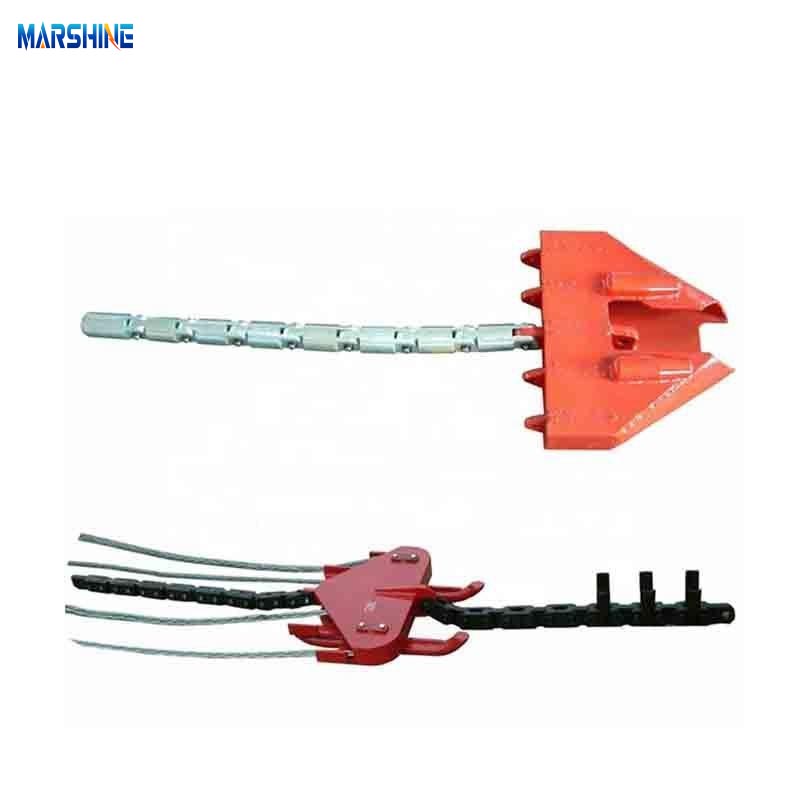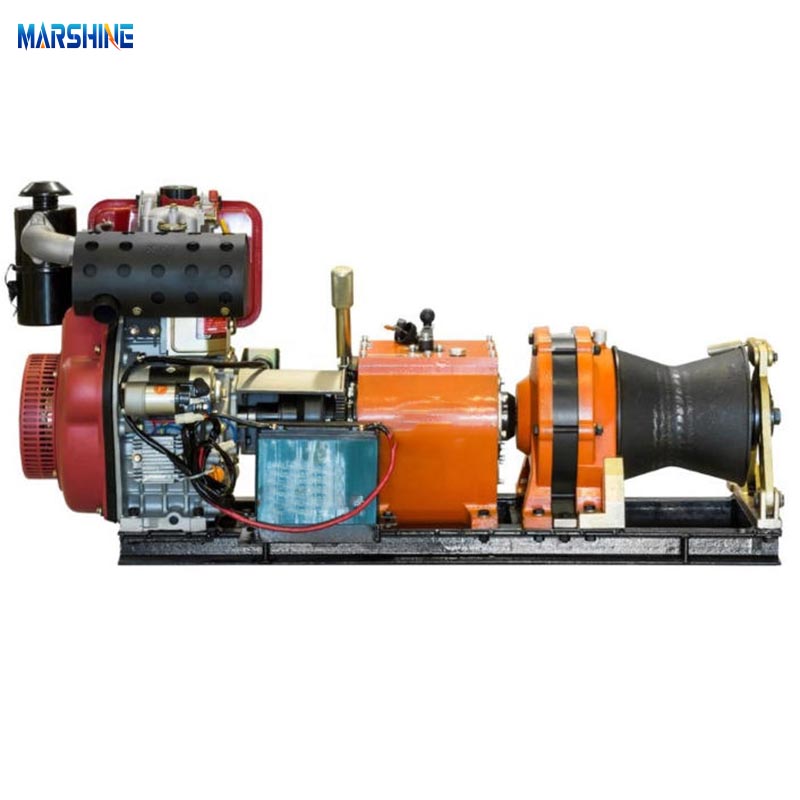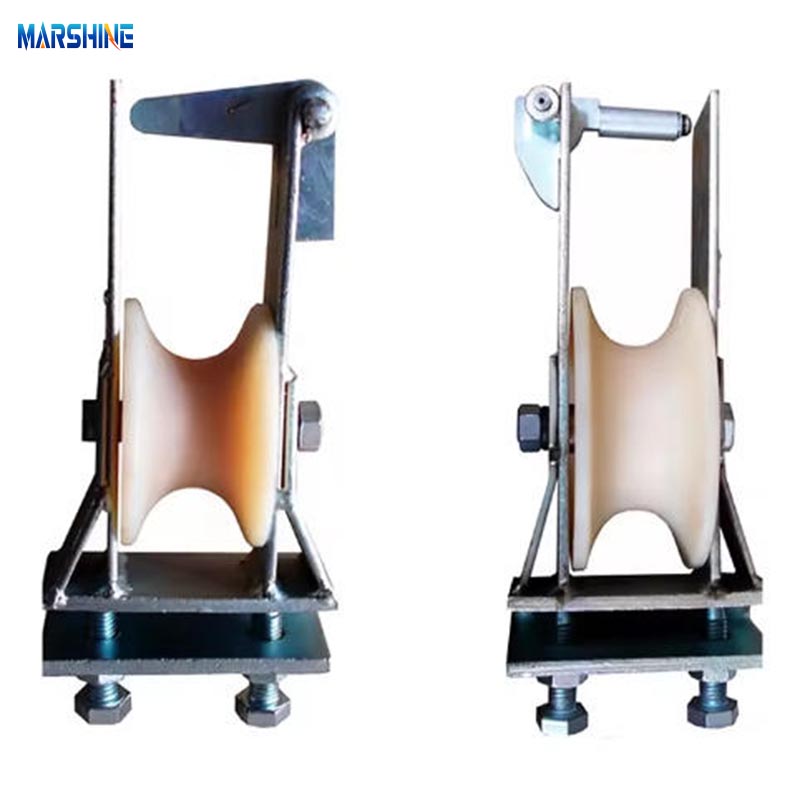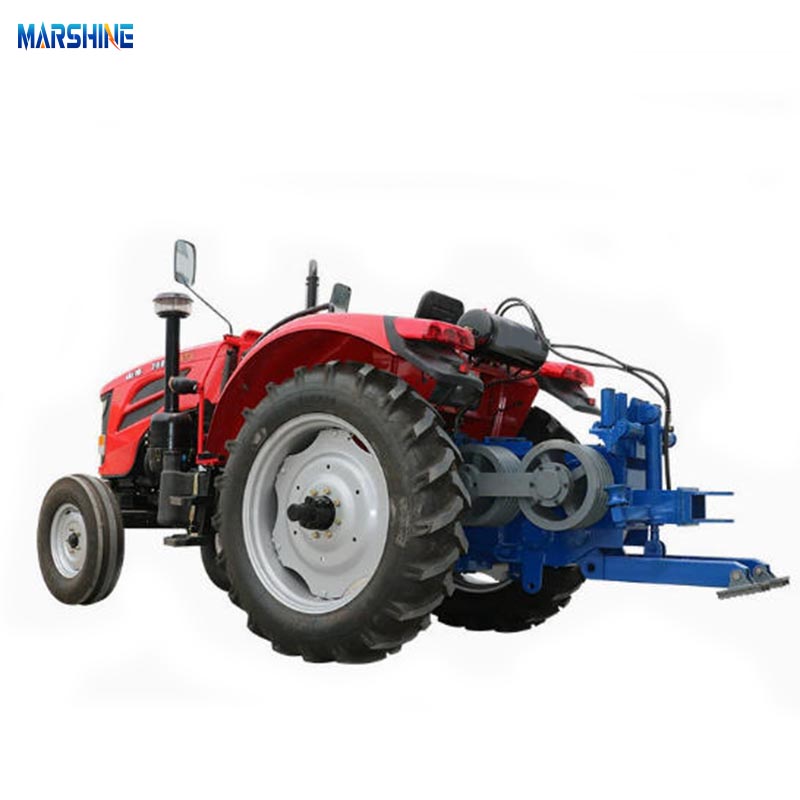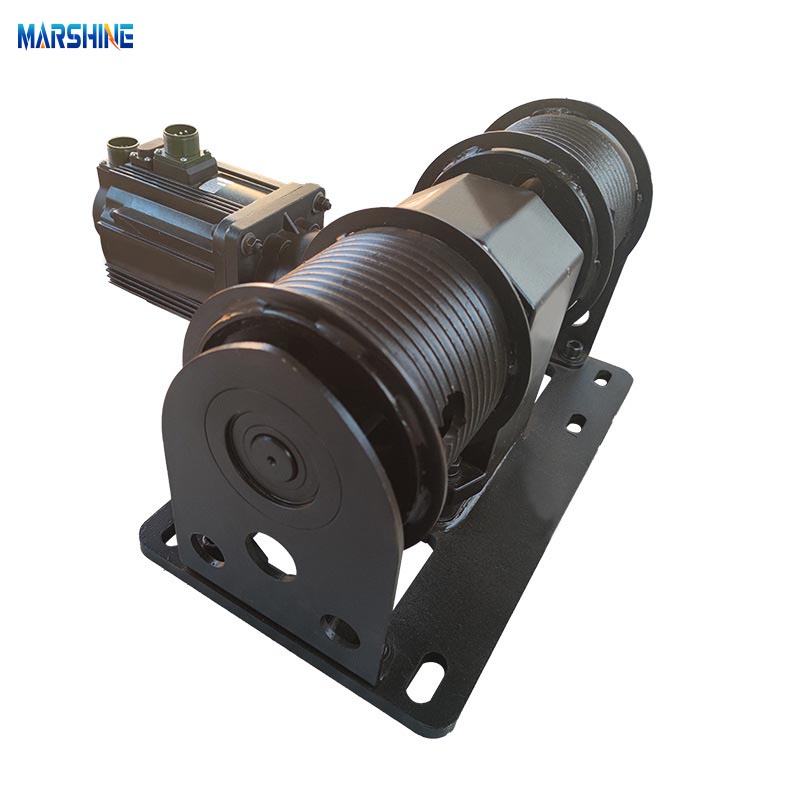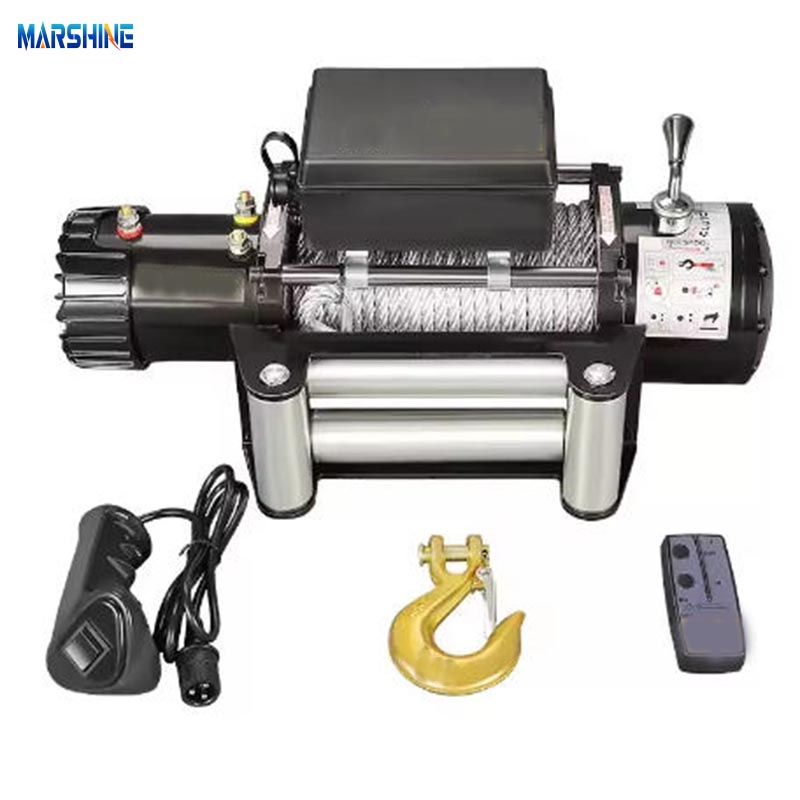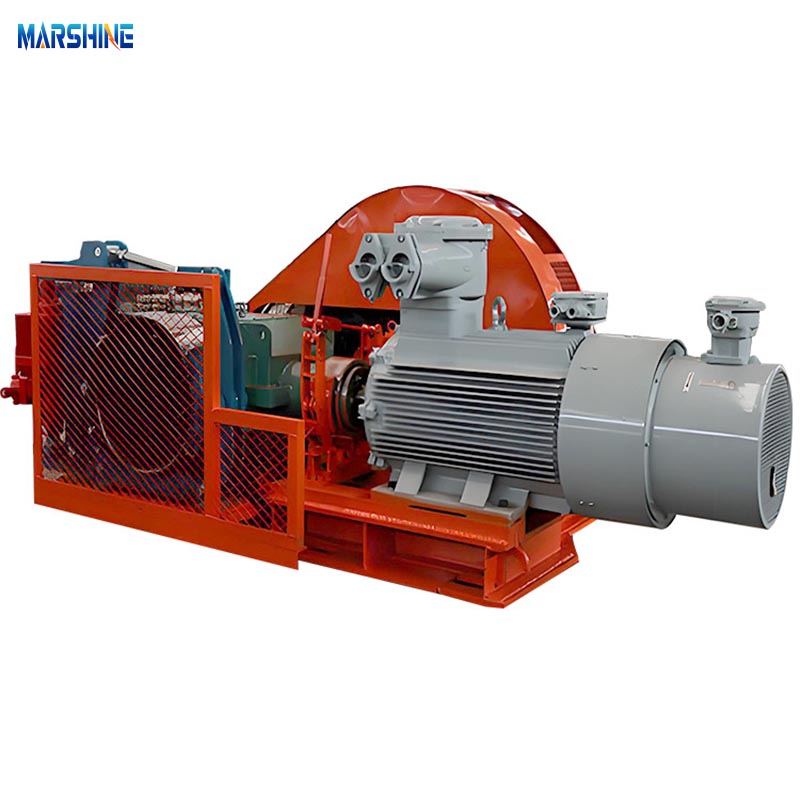
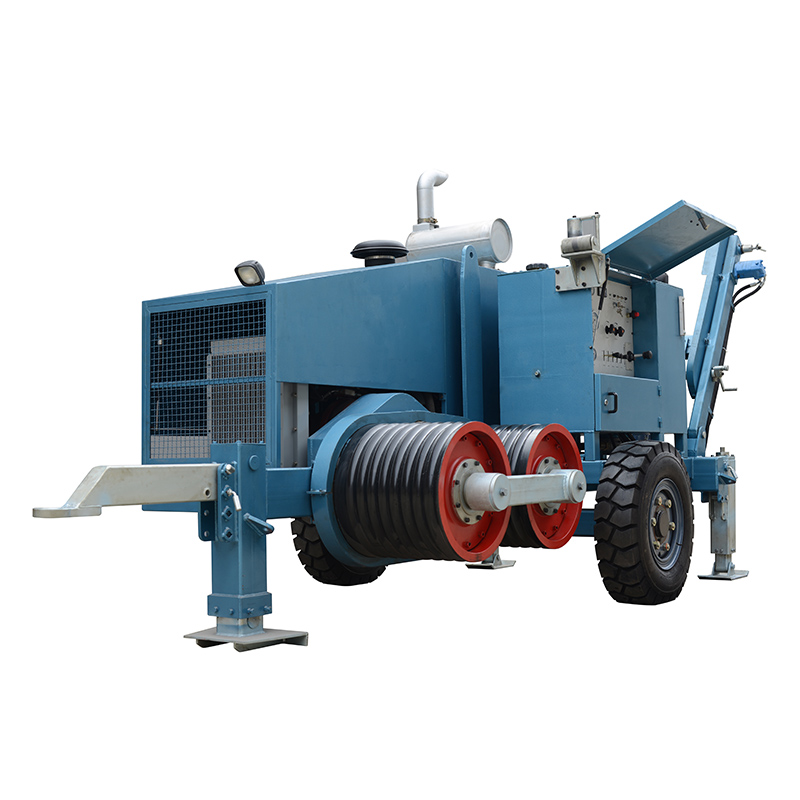


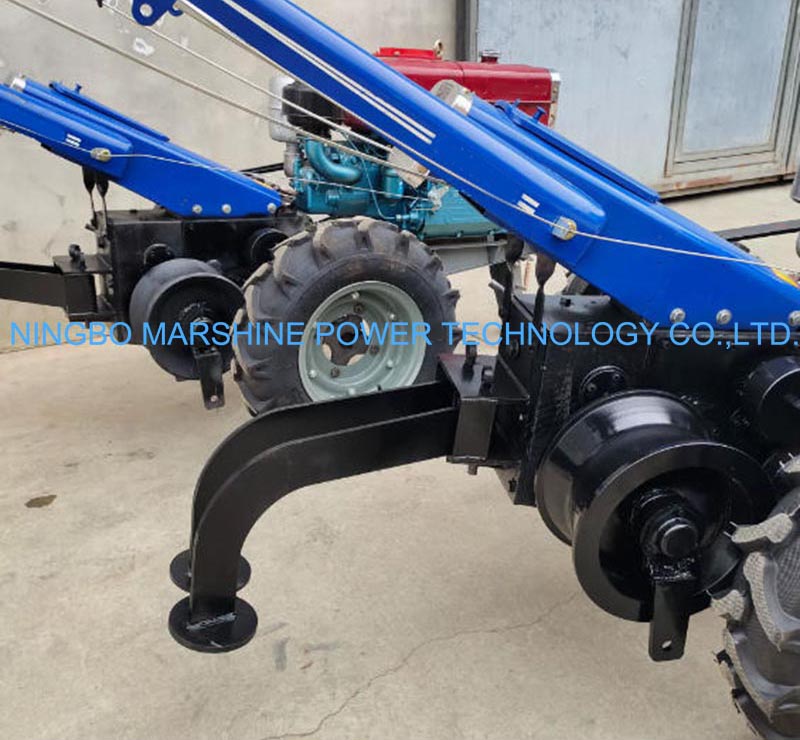
When outfitting crews for heavy-duty power grid construction, procurement teams often turn to capstan pulling machines as their primary workhorses. Unlike consumer-grade winches, these industrial machines are specifically engineered to provide continuous, high-capacity pulling force over long distances. They are a core component in the broader category of electrical power equipment tools, relied upon for robust features such as heat-treated twin drums that prevent rope slippage and ensure steady operation.
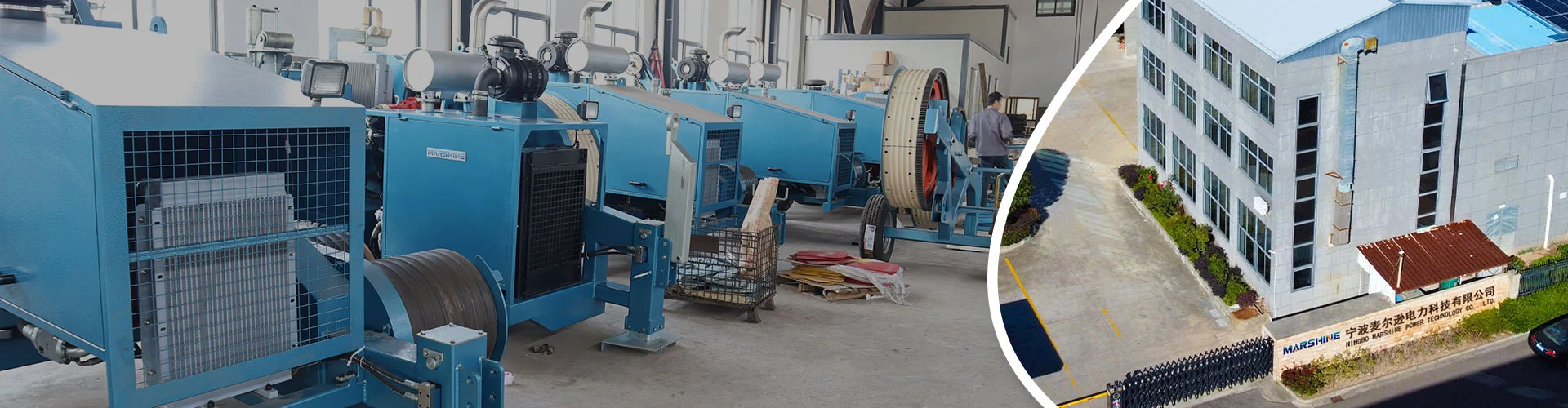
Industry manufacturers of these specialized tools, such as MARSHINE, have spent years developing advanced, safe, and easy-to-handle products. Their equipment is designed around a user-focused, technology-oriented philosophy. This translates directly into the machine's features, where ergonomic controls and high-efficiency power transmissions allow operators to manage massive pulling loads with minimal physical strain.
Understanding how these machines function and where they fit into a contractor's fleet is the first step for wholesale buyers looking to source reliable pulling equipment.
Definition and operating principle
A capstan pulling machine operates by utilizing a rotating drum (the capstan) to generate friction against a pulling rope. Unlike a standard drum winch that stores the wire rope on the drum itself, the capstan acts as a force multiplier. The operator wraps the rope around the capstan several times and applies light tension to the tail end. The machine's primary advantage is its ability to deliver constant pulling speed and force, regardless of how much rope has already been pulled, because the diameter of the pulling surface never changes.
Typical applications in utility, telecom, and power projects
These machines are indispensable in both aerial and underground cable installations. Utility contractors use them to pull heavy-gauge electrical conductors through underground conduits or to hoist transformers and stringing blocks onto transmission towers. In the telecom sector, they are frequently deployed to pull long runs of optical fiber cable through complex duct networks without exceeding maximum tension limits.
How it differs from winches and tensioners
While terms are often used interchangeably, a capstan pulling machine differs significantly from traditional winches and cable pulling tensioners. Standard winches accumulate rope, meaning their pulling capacity decreases and speed increases as the drum fills up. Tensioners, on the other hand, are designed to hold back and apply braking force to a cable as it is being strung, keeping it off the ground. Capstans are dedicated pulling devices characterized by their infinite rope length capacity and consistent line pull.
Which specifications should buyers evaluate first?
For B2B buyers and importers, selecting the right machine means diving deep into technical specifications. You are investing in machinery that must perform reliably under extreme stress. Evaluating a portable capstan winch requires matching the machine's capabilities directly to the typical job site requirements of your end-users.
A standout feature of modern machines is their adaptable power-to-weight ratio. Advanced models utilize lightweight aluminum alloy casings for their gearboxes, ensuring the machine remains portable enough for remote job sites while still delivering industrial-grade torque. Buyers must carefully review these specs to ensure they aren't over-specifying (and overpaying) or under-specifying (risking equipment failure).
Pulling force, line speed, and rope capacity
The most critical spec is the pulling force, typically measured in kilonewtons (kN) or tons. Common wholesale models range from 30kN (3-ton) to 50kN (5-ton) capacities. Line speed, usually measured in meters per minute (m/min), dictates how fast a job can be completed. Because capstans don't store rope, rope capacity is technically infinite, but the drum grooves must be sized correctly for the specific diameter of the braided steel rope or synthetic rope being used.
Power source, transmission, and machine weight
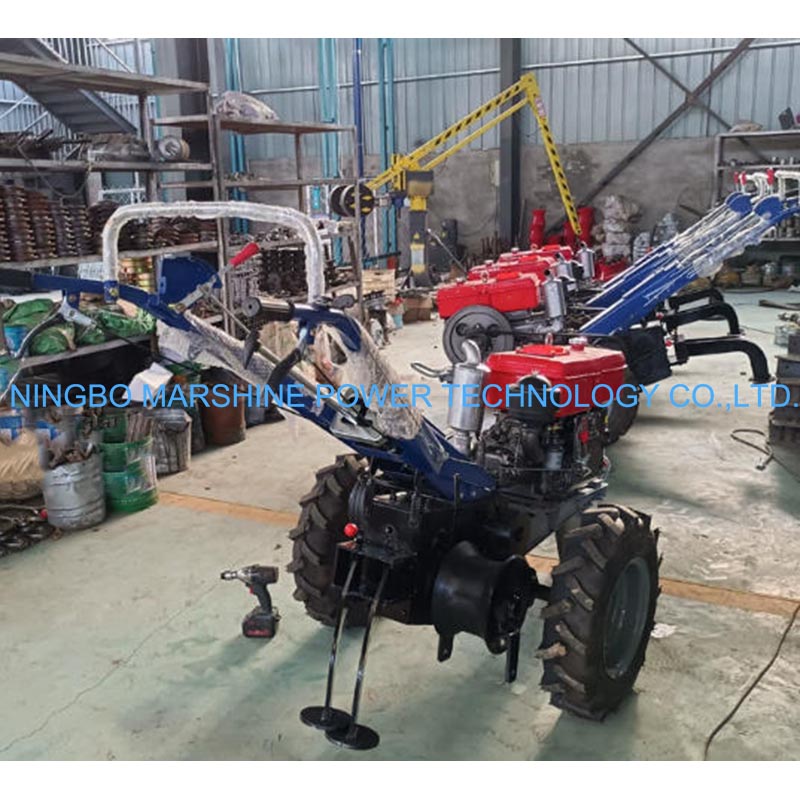
Buyers must choose between gasoline, diesel, and electric power. An engine powered capstan winch driven by a reliable Honda or Yamaha gasoline engine offers exceptional remote flexibility. Diesel models provide higher torque for heavier continuous pulls, while electric models are preferred for indoor or tunnel environments. Transmission features—such as belt drives versus direct gear drives—affect both maintenance schedules and overall machine weight.
Safety features, braking, and overload protection
Safety features are non-negotiable in power grid construction. Look for machines equipped with automatic anti-reversing mechanisms that lock the drum if the engine fails, preventing the load from dropping. Overload protection valves (on hydraulic models) and emergency stop buttons are critical features that protect both the operators and the expensive cables being pulled.
Recommended specification comparison points
When comparing quotes from multiple suppliers, use a standardized matrix to evaluate the machines side-by-side.
| Specification | Standard Duty Model | Heavy Duty Model |
|---|---|---|
| Rated Pulling Force | 30 kN (approx. 3 tons) | 50 kN (approx. 5 tons) |
| Line Speed | 12 - 15 m/min | 8 - 12 m/min |
| Power Source | Gasoline (e.g., 9 HP) | Diesel (e.g., 12 HP) |
| Key Features | Lightweight frame, belt drive | Gear transmission, anti-reverse brake |
How should buyers source and qualify suppliers?
Finding a manufacturer that consistently delivers high-quality electrical power equipment tools takes more than just browsing a catalog. B2B buyers need partners with proven engineering capabilities and a track record of supporting international distributors. A reliable supplier should operate under a strict quality management system, ensuring that every unit rolling off the line meets global standards.
For instance, manufacturers that have passed GB/T19001-2008 or ISO 9001 quality system certifications demonstrate a commitment to standardized production. A quality-focused company will typically offer machines featuring precision-machined components, reducing wear and tear on the job site. Buyers should prioritize suppliers who actively invest in research and development to innovate advanced, safe, and easy-to-handle products.
Supplier qualification criteria
Start by requesting ISO quality management certificates and conducting virtual or third-party factory audits. Evaluate the supplier's production capacity, in-house testing facilities, and their history of exporting to your specific region. A strong supplier will have a dedicated quality tracking and service monitoring system in place.
MOQ, lead time, warranty, and private label terms
Negotiate Minimum Order Quantities (MOQs) that align with your stocking strategy; many manufacturers allow mixed containers of different winch sizes. Standard lead times for bulk orders typically range from 30 to 45 days. Ensure the warranty covers critical components like the engine and gearbox for at least 12 to 18 months, and discuss OEM/ODM terms if you intend to private-label the equipment.
Spare parts, service support, and engineering capability
A complete after-sales system is vital. Ensure the supplier guarantees the availability of spare parts (like drive belts, friction pads, and spark plugs) for several years post-purchase. High engineering capability means the supplier can customize features, such as modifying the capstan drum diameter or altering the frame design for specific local market requirements.
Bundling options with related cable pulling tools
Suppliers with a broad catalog offer a major advantage. Buyers can consolidate shipping by bundling capstan machines with related circuitry construction tools, such as universal stringing blocks, cable rollers, fiberglass duct rodders, braided steel ropes, and come-along clamps.
What quality and documentation requirements should orders include?
To ensure high standards translate into reality, procurement teams must enforce strict quality control and documentation requirements before goods leave the factory. Ambiguity in purchase orders often leads to discrepancies in machine performance or customs clearance delays at the destination port.
A key product feature to verify during quality control is the durability of the capstan drum itself. The drums should feature heat-treated steel or specialized anti-wear coatings to prevent the wire rope from grooving the metal over time. Documenting the material grades and testing these features prior to shipment protects your investment.
Inspection, testing, and traceability requirements
Require a Factory Acceptance Test (FAT) report for every batch. This should include dynamic load testing to verify the machine's rated pulling force and checks on the anti-reverse braking system. Each machine should have a stamped serial number linked to a traceability file detailing the manufacturing date and component batch numbers.
Required technical and shipping documents
Specify that the supplier must provide a comprehensive document packet. This includes the Bill of Lading, Commercial Invoice, Packing List, Certificate of Origin, and CE or relevant safety certificates. Additionally, demand detailed English-language user manuals and maintenance guides tailored to the specific machine features.
Quality system and certification checks
Verify that the manufacturer's GB/T19001-2008 or ISO 9001 certifications are current and issued by a reputable auditing body. This ensures that their quality tracking and service monitoring processes are genuinely integrated into their daily operations, rather than just marketing claims.
What packaging, logistics, and landed-cost factors matter?
Importing heavy machinery requires strategic logistics planning to protect the equipment and preserve profit margins. Capstan pulling machines are dense, heavy items that can easily sustain damage if improperly secured during transit. The physical features of the machine, such as integrated lifting eyes and a compact, heavy-duty tubular steel frame, play a significant role in how easily they can be packaged and handled by freight forwarders.
Calculating the true landed cost is essential for pricing the equipment competitively in your local market. Distributors must factor in not just the FOB price of the machine, but the entire logistical chain, ensuring that the robust features of the equipment don't become a liability due to exorbitant shipping costs.
Export packaging and protection requirements
Machines must be bolted to heavy-duty pallets and enclosed in ISPM-15 certified fumigated wooden cases. To protect the engine and metallic features from sea humidity, the equipment should be wrapped in moisture-barrier bags with desiccant packs placed inside the crate.
Container planning and shipping constraints
Because these machines are relatively compact despite their weight, they are excellent candidates for Less than Container Load (LCL) shipping if ordering small quantities. For Full Container Loads (FCL), work with the supplier to optimize the stacking arrangement, perhaps combining the winches with lighter, bulkier items like cable drum trailers or nylon wheels for pay-off pulleys to maximize container space.
Landed-cost calculation inputs
To calculate landed cost accurately, sum the factory FOB price, inland transportation to the origin port, ocean freight charges, marine insurance, destination port handling fees, and import tariffs. Don't forget to factor in the cost of importing spare parts, which may carry a different HS code and tariff rate than the fully assembled machine.
How can distributors improve sales and margins?
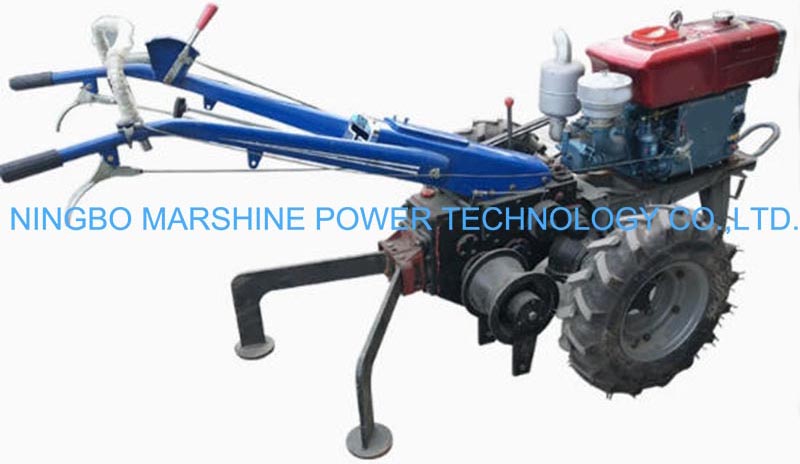
For B2B distributors, moving capstan pulling machines isn't just about selling a single piece of hardware; it's about providing a comprehensive solution for power grid construction and operation. By understanding the specific pain points of local contractors, distributors can position these machines as time-saving investments.
Highlighting specific product features—such as the ease of swapping out a worn capstan drum or the fuel efficiency of the engine—helps justify a premium price point. Distributors who align themselves with an innovative, solutions-oriented approach can build lasting, high-margin relationships with their B2B clients.
Target customer segments and channel fit
Focus your sales efforts on high-value segments: electrical utility contractors, telecommunications infrastructure installers, and municipal public works departments. These buyers prioritize equipment reliability and safety features over rock-bottom prices, making them ideal targets for high-quality, certified machinery.
Offer design: machine, parts, and service bundles
Increase your Average Order Value (AOV) by creating comprehensive pulling kits. Bundle a 5-ton capstan pulling machine with a set of transmission stringing blocks, wire rope pulleys, and a specific length of braided steel rope. Offering a pre-packaged "underground cable pulling kit" simplifies the buying process for the contractor and increases your overall margin.
Stocking strategy for standard vs custom models
Maintain local inventory of the most popular standard models (e.g., 3-ton gasoline units) for immediate dispatch, as contractors often buy equipment reactively when a current machine breaks down. For highly specialized or heavy-duty custom models (e.g., 10-ton diesel units), utilize a drop-shipping or pre-order model to avoid tying up capital in slow-moving inventory.
What are the key buying takeaways and FAQs?
Successfully procuring and distributing capstan pulling machines requires a balance of technical knowledge, strict supplier qualification, and strategic sales planning. By partnering with manufacturers that emphasize a complete after-sales system and continuous innovation, buyers can confidently supply their local markets with top-tier circuitry construction tools.
Focusing on the machine's core features—constant pulling force, robust safety brakes, and reliable power sources—ensures that the end-users receive equipment that enhances their operational efficiency.
Key selection criteria for procurement teams
Always prioritize pulling capacity, power source reliability, and built-in safety features. Verify supplier certifications (like GB/T19001-2008), insist on rigorous FAT documentation, and ensure export packaging meets international maritime standards to protect the equipment during transit.
FAQ: What pulling force range fits stock programs?
For most wholesale stocking programs, the 30kN (3-ton) and 50kN (5-ton) models are the most versatile and highly demanded by utility and telecom contractors for everyday cable pulling tasks.
FAQ: How should buyers compare capstan machines with tensioners?
Buyers should remember that capstan machines are designed to actively pull a load with constant force using friction on a rotating drum. Tensioners are designed to hold back and apply controlled braking resistance to a cable as it is being pulled by a separate winch, keeping the line taut and off the ground.
FAQ: What documents and spare parts should be required before shipment?
Always require a Commercial Invoice, Packing List, Bill of Lading, CE/ISO certificates, and a Factory Acceptance Test report. Essential spare parts to request include drive belts, spark plugs, replacement friction brake pads, and air filters.
Related reading: MARSHINE
Key Takeaways
- Wholesale sourcing and supply-chain implications for capstan pulling machine
- Specifications, compliance, and commercial terms buyers should validate
- Actionable recommendations for distributors and procurement teams