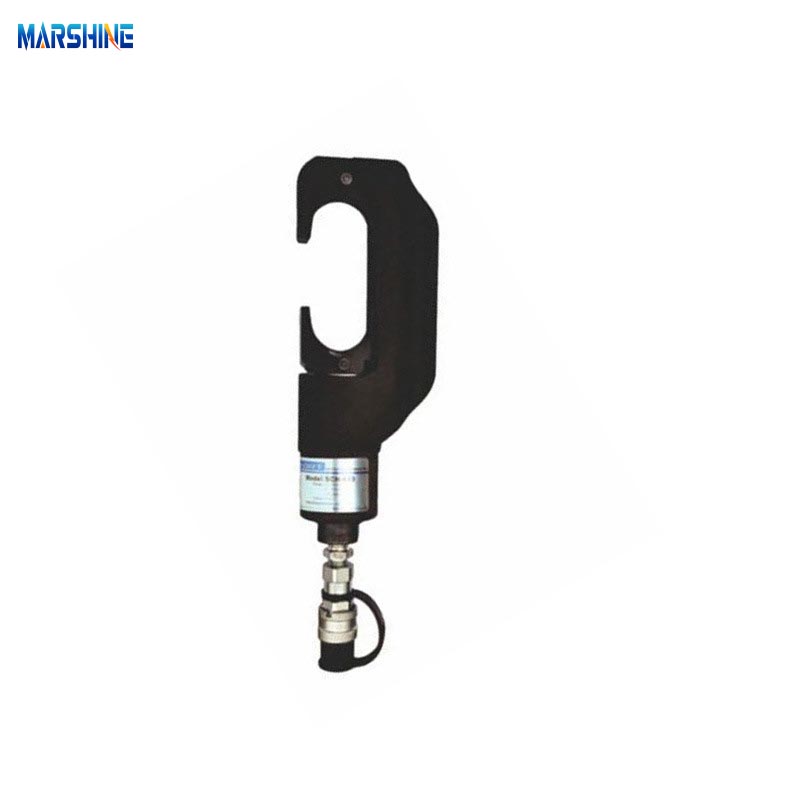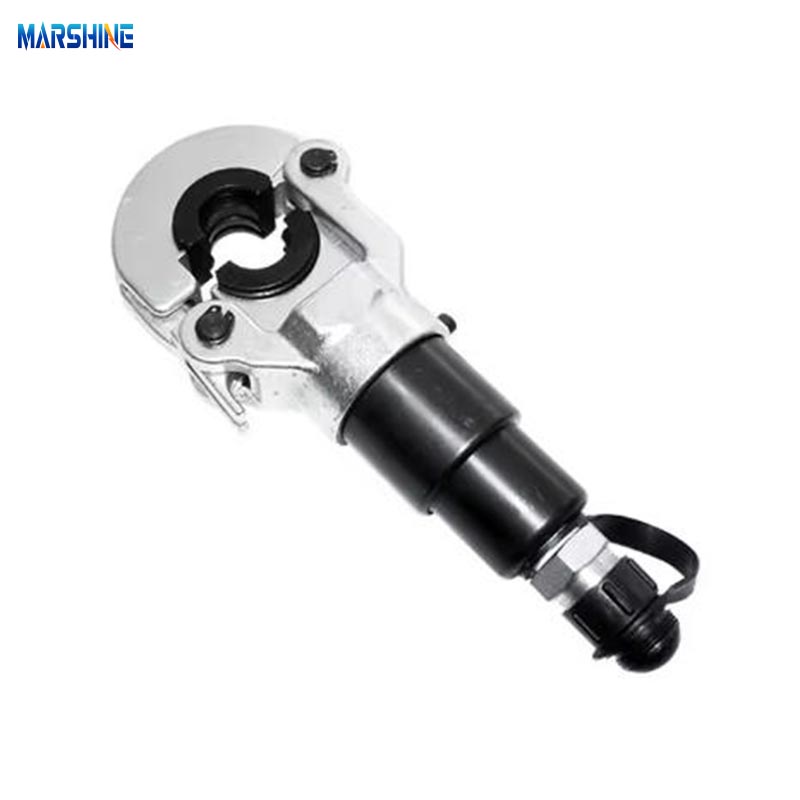
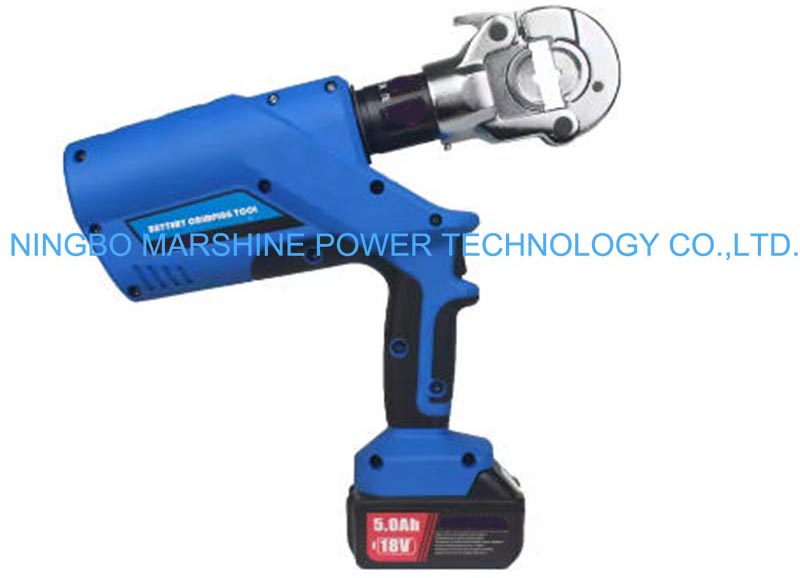
A leaky O-ring can hinder your hydraulic hose crimping tool. This repair involves carefully identifying the faulty O-ring, then disassembling the specific component. After removing the old O-ring, you install a new one. Finally, reassemble your crimping hydraulic tool. MARSHINE tools are built for durability, but even the best require occasional maintenance.
Finding a leak early saves you time and money. You can use two main methods to pinpoint where your hydraulic hose crimping tool might be losing fluid. These methods help you identify a faulty O-ring before it causes bigger problems.
Start by giving your tool a thorough visual check. Look closely at all connections, seals, and moving parts. You are searching for any signs of hydraulic fluid escaping.
These visual cues often point directly to a failing O-ring. A quick inspection can save you from more extensive repairs later.
If a visual inspection does not reveal the leak, or if you suspect an internal issue, pressure testing is the next step. This method helps confirm an O-ring failure and often pinpoints its exact location.
To perform a pressure test, you connect a pressure gauge to the hydraulic system of your tool. Then, you operate the tool under pressure, perhaps without a hose or with a test piece. You observe the pressure gauge for any drops. A rapid or consistent drop in pressure usually signals an internal leak, often from a compromised O-ring.
Ignoring even minor hydraulic leaks can lead to significant problems, including system failures and extended downtimes. Leaks also allow contaminants to enter the system. Even tiny particles or air can cause system failure. Promptly repairing any hydraulic leaks is crucial for maintaining the system's service life. Preventable leaks are responsible for over 100 million gallons of hydraulic fluid entering the environment annually in the U.S. alone.
Consider the long-term consequences of neglecting a leaky O-ring:
Pressure testing helps you confirm the leak and understand its severity. This allows you to address the problem proactively.
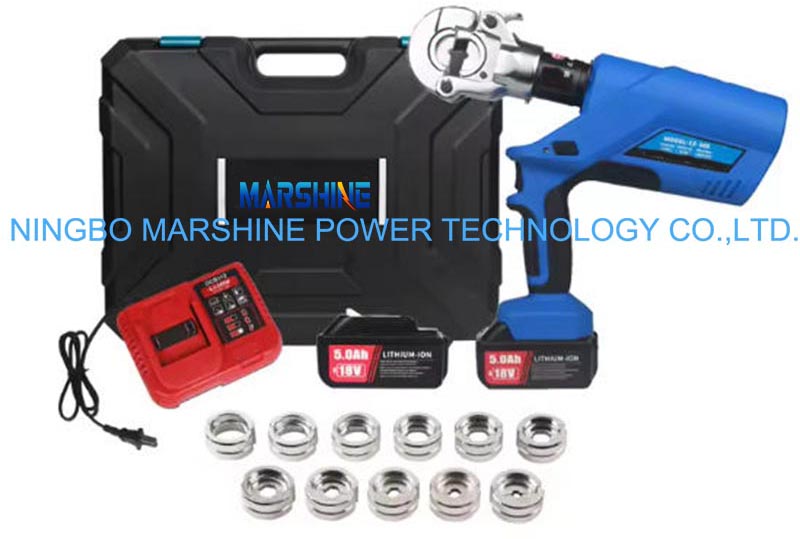
Before you begin any repair, proper preparation is key. Gathering the right tools and materials ensures a smooth and efficient O-ring replacement. This step also helps you maintain the high performance you expect from your MARSHINE hydraulic hose crimping tool.
You will need a few basic items to get started. Gather a set of O-ring picks or dental picks for careful removal of the old O-ring. A small flat-head screwdriver can also be useful. Have clean, lint-free cloths ready for wiping down components. You might also need a wrench or socket set to disassemble parts of your hydraulic hose crimping tool.
Choosing the right O-ring is critical for a lasting repair. You must consider both size and material. Standardized sizing systems, like the AS568 dash number system or metric O-ring sizes, help you find the exact fit. For instance, a metric O-ring might be specified as '1.00X005', meaning a 1 mm cross-section and 5 mm inner diameter.
Material choice is equally important. Different materials suit various hydraulic fluids and operating conditions.
| Material | Suitability for Hydraulic Fluids |
|---|---|
| Nitrile (Buna-N) | Suitable for petroleum-based fluids |
| Viton (FKM) | Ideal for high-temperature environments and aggressive chemicals |
| EPDM | Water-based hydraulic fluids, Brake fluid systems |
You can also find customized O-rings made from materials like Silicone, Teflon® (PTFE), and Polyurethane (PU/AU). The O-ring's hardness, or durometer, also matters. Softer materials work well for lower pressures, while tougher materials are necessary for high-pressure applications.
Always clean all components thoroughly before installing a new O-ring. Use a suitable cleaner that will not damage the metal or rubber parts. After cleaning, apply a compatible O-ring lubricant to the new O-ring. This helps with installation and prevents initial wear. Remember to store any spare O-rings properly. Keep them in a cool, dry place, away from direct sunlight and ozone-generating equipment, to maintain their integrity.
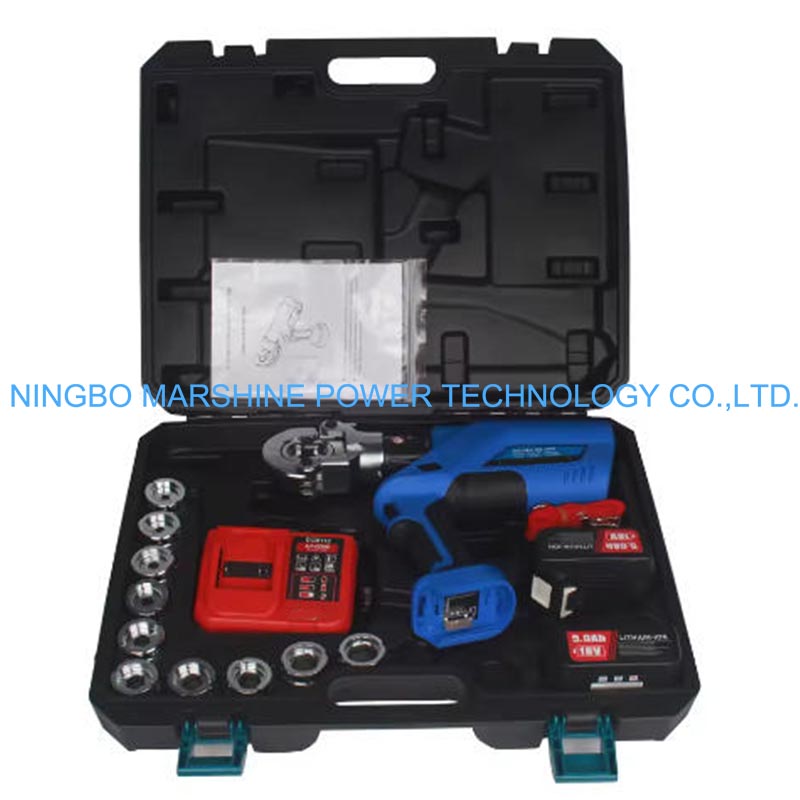
Replacing an O-ring might seem tricky, but with the right steps, anyone can do it. This guide walks you through each part of the process. You will get your hydraulic hose crimping tool back in top shape.
Before you start, safety comes first. Always make sure the hydraulic hose crimping tool is depressurized. This prevents any accidental fluid sprays or movements. You might need to consult your tool's manual for specific depressurization steps. Once safe, identify the component that holds the leaky O-ring. This could be a cylinder, a valve, or a fitting.
Carefully begin to disassemble this part. You will likely need wrenches or sockets to loosen bolts or fittings. Keep track of all the parts you remove. A good tip is to lay them out in the order you take them off. This makes reassembly much easier. Remember, MARSHINE tools are designed for easy maintenance, but careful handling during disassembly is always important.
Now, it is time to get that old, leaky O-ring out. This step requires a gentle touch to avoid damaging the tool's delicate surfaces.
With the old O-ring out and the groove clean, you are ready for the new one. Proper installation ensures a long-lasting, leak-free seal.
First, lubrication is crucial for O-ring installation. It does several important jobs:
When you pick a lubricant, make sure it works well with both the O-ring material and the hydraulic fluid in your system. It should not get soft or hard within the tool's operating temperature range. Also, it should not break down into sticky or gritty bits that could mess up your system. Apply a thin, even coating of this compatible lubricant to the new O-ring.
Now, carefully place the lubricated O-ring into its groove. Make sure it sits flat and is not twisted or pinched. It should fit snugly without needing too much force.
With the new O-ring in place, it is time to put everything back together. Reverse the steps you took during disassembly. Make sure all bolts and fittings are tightened to the manufacturer's specifications. Do not overtighten, as this can damage components.
Once the hydraulic hose crimping tool is fully reassembled, you must test it. Re-pressurize the system slowly. Watch for any signs of leaks around the newly replaced O-ring. Operate the tool a few times, perhaps with a test hose or without a hose, to check its function. Listen for any unusual noises and observe the pressure gauge. A successful repair means no leaks and smooth operation. This ensures your MARSHINE tool continues to deliver reliable performance.
Repairing a leaky O-ring on your hydraulic hose crimping tool involves diagnosing the leak, preparing with the right parts, and carefully replacing the O-ring. Proper maintenance ensures your tool lasts longer and performs its best. Timely O-ring replacement guarantees consistent, high-quality crimps every time.
Inspect O-rings regularly, especially if the tool sees frequent use. A quick visual check before each job helps catch issues early. This ensures your MARSHINE tool always performs its best.
An incorrect O-ring size will cause leaks or fail quickly. Too small, it stretches and breaks. Too large, it pinches and leaks. Always use the exact size for optimal sealing.
Yes, absolutely! Regular cleaning, using compatible lubricants, and storing your tool correctly extend O-ring life. This keeps your MARSHINE tool reliable and efficient for many years.