

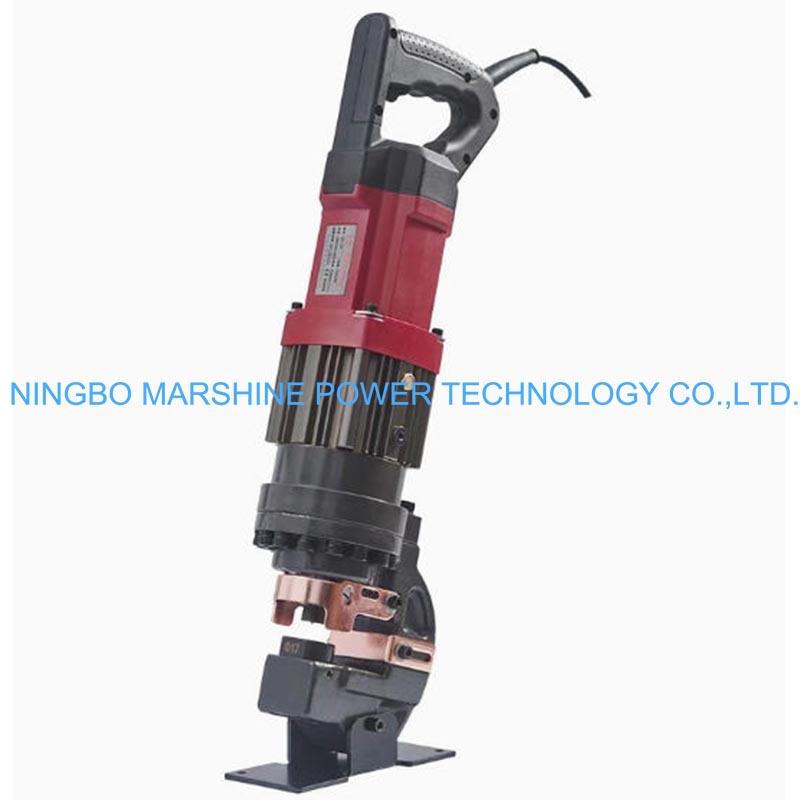
Missed holes in structural steel can stall a crew, delay lifting schedules, and turn a small field adjustment into an expensive logistics problem. A portable steel punching machine gives contractors a faster way to create accurate bolt holes on site, without the shavings, heat, and setup time often associated with drilling or cutting. The right model, however, depends on more than tonnage alone. Steel thickness, material grade, throat depth, die compatibility, site access, and code requirements all affect performance and safety. This guide explains the practical specifications to compare, the field conditions that matter most, and how to choose equipment suited to construction, utility, and steel-assembly work.
Why Choose a Portable Punching Machine for Steel-Site Work
Taking heavy structural steel back to the fabrication shop for a few missed holes is a massive drain on time, labor, and overall project budget. A portable punching machine solves this logistical nightmare by bringing industrial fabrication power directly to the job site. These specialized tools are engineered to punch clean, precise holes through thick metal, completely bypassing the hassle, mess, and slow pace of traditional drilling. While punching produces a clean shear, it is important to note that punched holes in structural steel are often restricted by engineering codes such as AISC 360 or EN 1090. These codes dictate strict requirements regarding edge distance, hole diameter-to-thickness ratios, and limitations on fracture-critical connections, making compliance essential for professional steel fabrication.
Key on-site tasks and use cases
On a busy commercial construction site, crews constantly deal with structural I-beams, heavy angle iron, and thick flat bars that require on-the-fly modifications to accommodate bolts and fixtures. One of the standout features of a portable punch is its ability to create perfect holes without generating dangerous metal shavings or requiring hot work permits, which are often mandatory when using torches or abrasive tools. While conventional magnetic drilling can be time-consuming per hole, a high-quality hydraulic punch drives through mild steel in a fraction of the time. The compact, double-action hydraulic design allows operators to maneuver the tool seamlessly into tight overhead spaces, making it perfect for retrofitting existing structures or assembling complex frameworks efficiently.
Workflow needs in power and utility construction
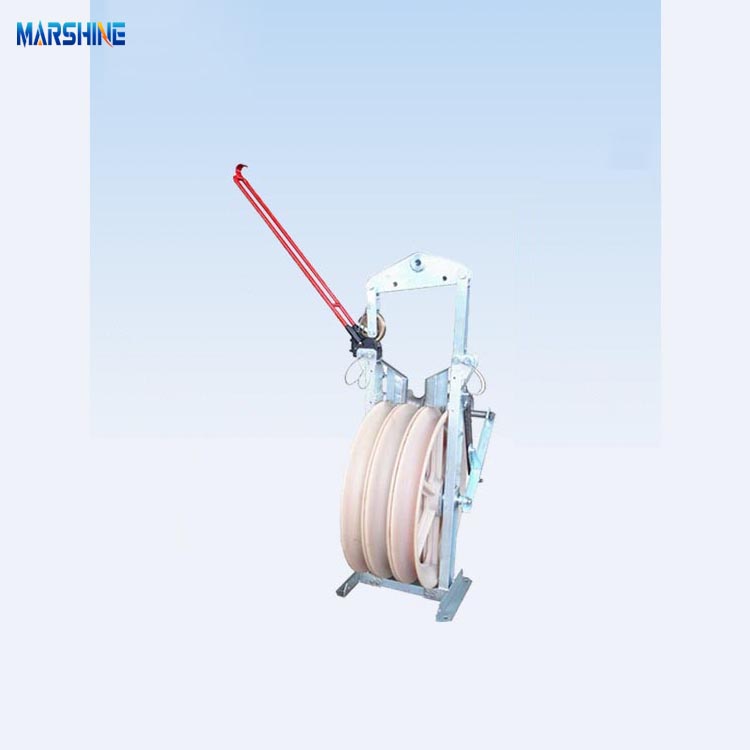
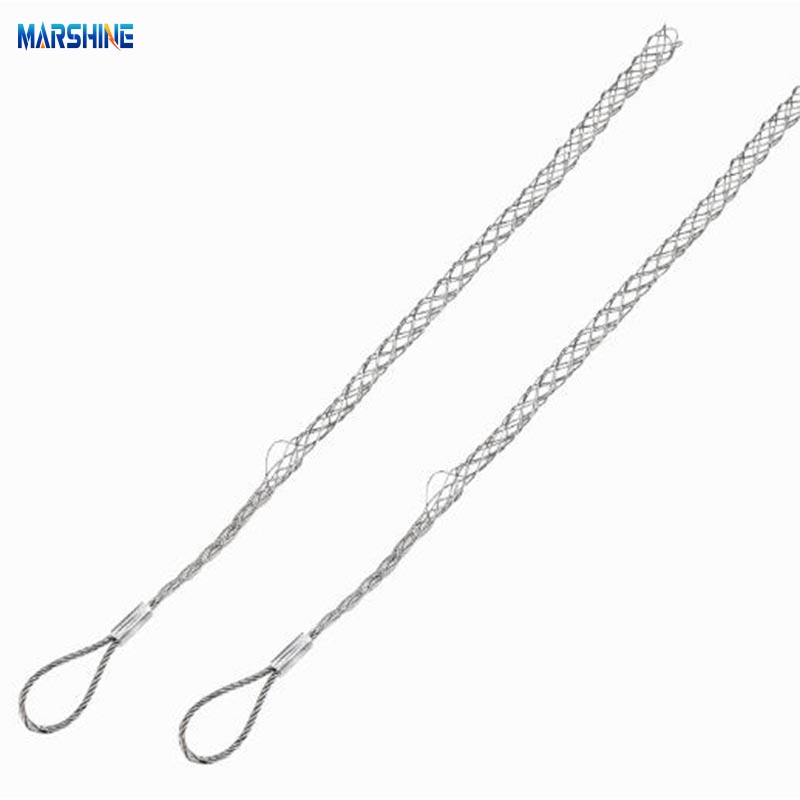
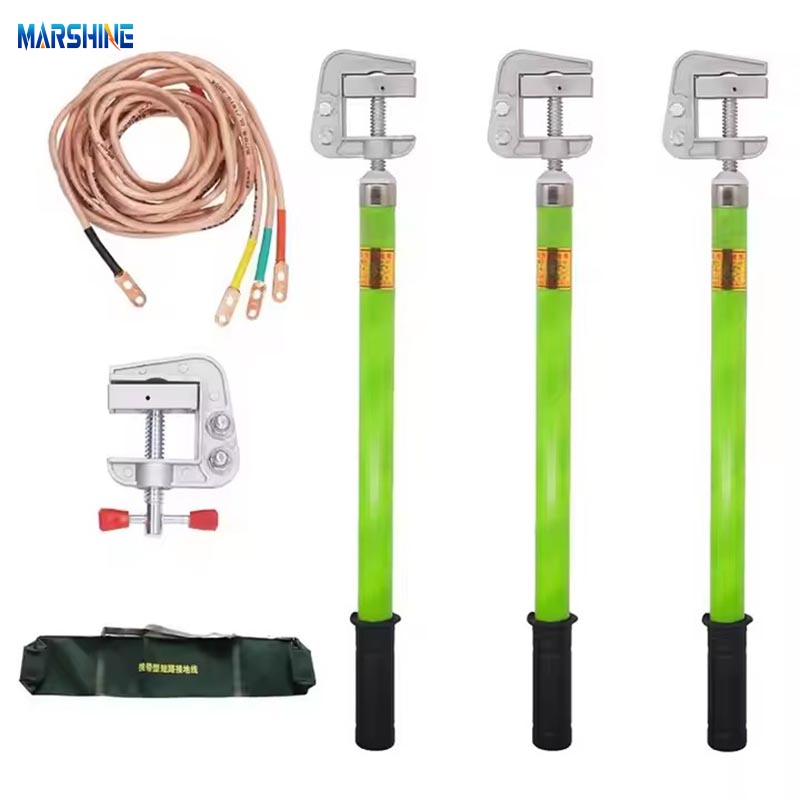
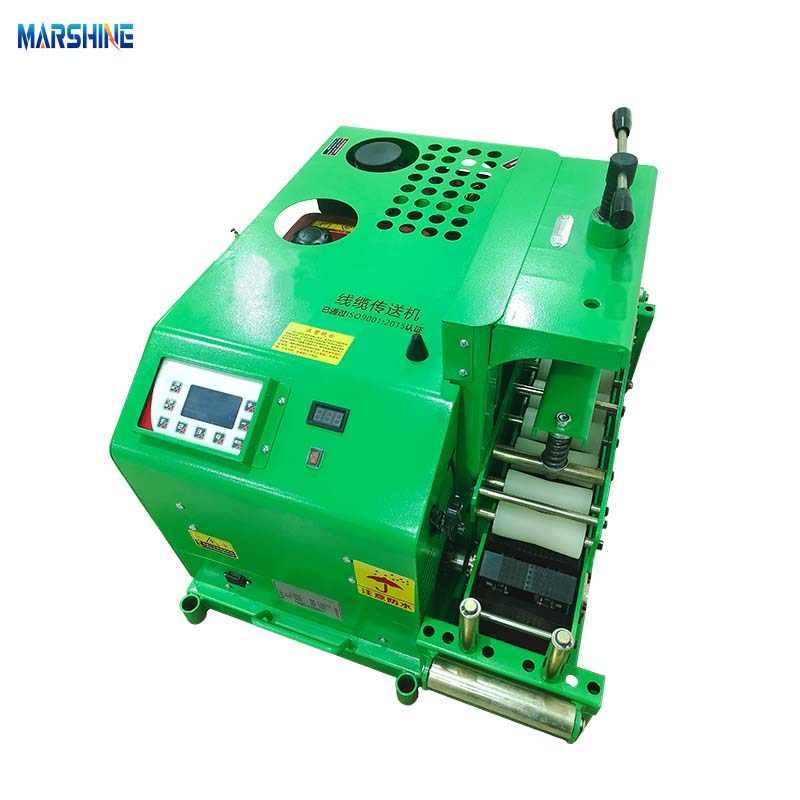
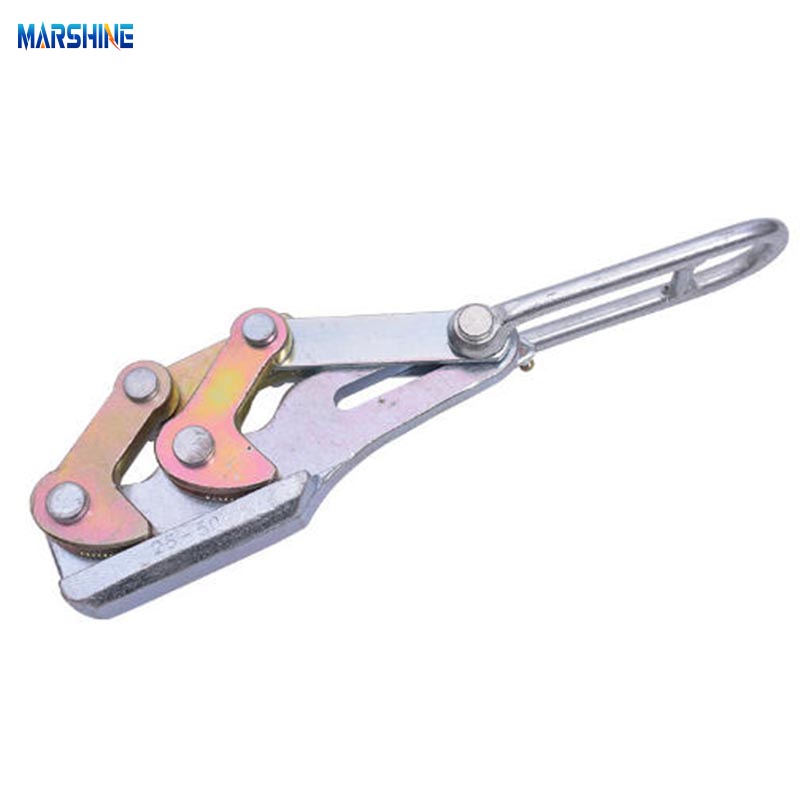
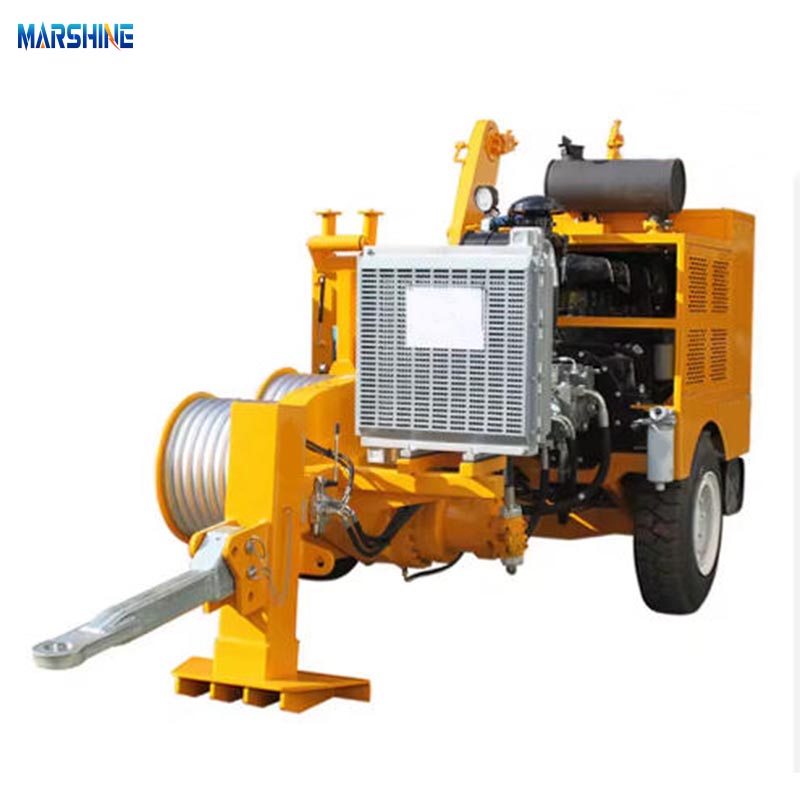
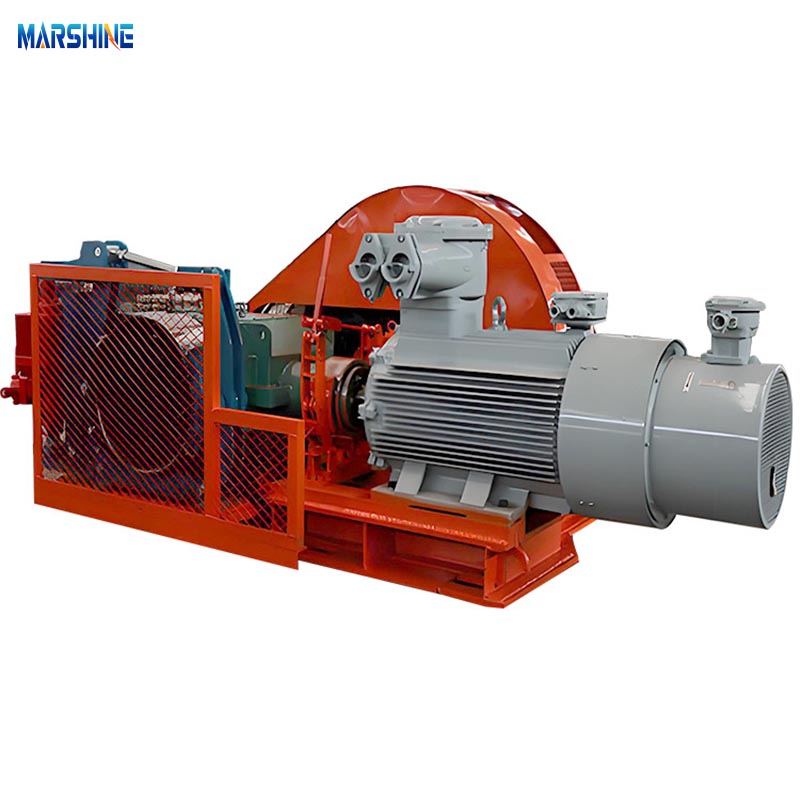
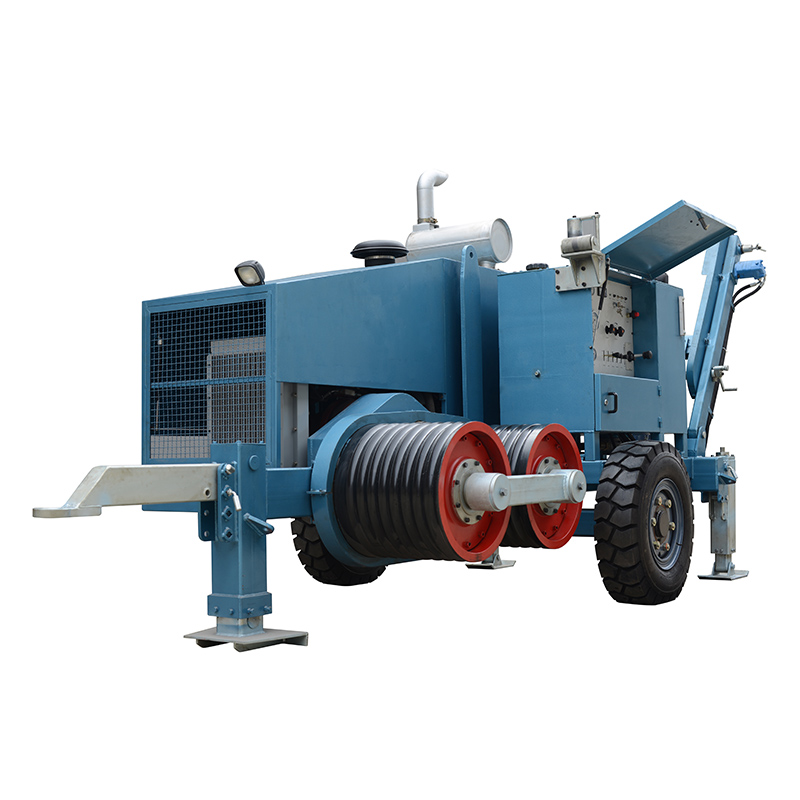
Power and utility construction projects demand rugged, highly efficient equipment, especially during critical phases like foundation construction or tower assembly and guy wiring. Crews working on high-voltage transmission towers simply cannot afford equipment breakdowns in remote locations. This is where relying on a robust Metal Punching Tool becomes essential for rapidly aligning heavy-duty hardware in the field. Integrating specialized construction tools across demanding environments is highly effective for maintaining workflow. Whether a project requires a hydraulic puller tensioner, cable winch, stringing pulley block, cable drum trailer, or specialized safety tools, having a portable punch that integrates into this broader ecosystem ensures seamless utility installations. It minimizes downtime and keeps high-stakes electrical grid projects moving right on schedule.
Portable Punching Machine Specifications to Compare
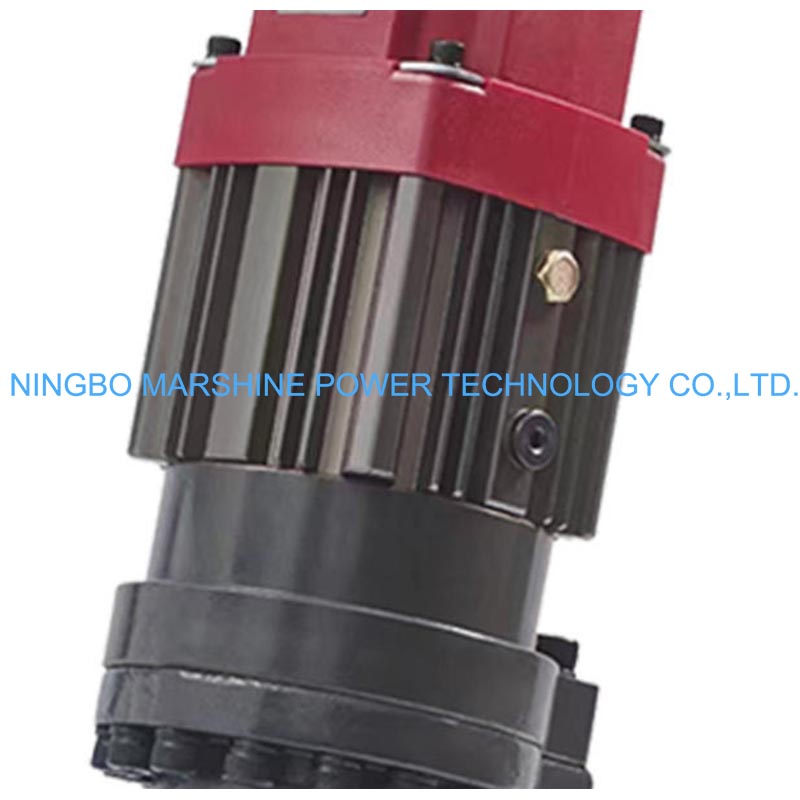
Not all punching tools are built the same, and picking the wrong specifications can leave crews struggling with jammed dies, deformed metal, or underpowered hydraulics. You have to match the machine's core capabilities directly to the thickness, grade, and shape of the steel your team handles daily.
Punching capacity, throat depth, and material range
The three most critical numbers on any technical spec sheet are the punching capacity, throat depth, and material range. Tonnage dictates the raw pressing power; a standard 35-ton unit easily handles mild steel up to 10mm thick, while heavy-duty 45-ton to 50-ton models can effortlessly punch through 16mm to 20mm steel plates. Throat depth determines exactly how far from the edge of the material you can place a center hole, typically ranging from a restrictive 40mm for basic edge work up to a highly versatile 110mm for deeper web punching.
However, a machine’s rated thickness for mild steel does not translate directly to high-tensile steel, stainless steel, or aluminum. Punching stainless steel or aluminum requires different die clearances and specialized lubrication to prevent galling, and operators must be aware that certain brittle materials may fracture rather than shear cleanly. The specifications below represent illustrative examples of specific product tiers rather than universal industry standards.
| Metric | Standard Duty | Heavy Duty |
|---|---|---|
| Max Tonnage | 35 Tons | 45-50 Tons |
| Max Hole Diameter | 20.5 mm | 24 mm |
| Max Steel Thickness | 10 mm | 16-20 mm |
| Typical Throat Depth | 40 mm | 110 mm |
Power source, portability, tooling, and safety features
Beyond raw punching power, you need to carefully evaluate the power source. An Electric Punch Press offers consistent, fade-free power for continuous use but requires a reliable site generator or grid connection, whereas battery-powered hydraulic units offer ultimate off-grid mobility.
Weight is a major factor for overall portability. When evaluating weight, it is critical to distinguish between the punch head and the power unit. Standard punch heads alone weigh between 12kg and 20kg—excluding the separate hydraulic pump, battery, or hoses—requiring strict overhead lifting safety protocols and rigging planning when a worker hoists them up a transmission tower.
Key tooling features to look for include interchangeable round and oblong dies, as well as anti-bind quick-return hydraulic mechanisms. Buyers must also factor in ongoing maintenance requirements, such as regular die wear replacement and periodic hydraulic seal maintenance to prevent leaks.
Finally, integrated safety features are paramount. Built-in overload protection and safety valves automatically bypass pressure, preventing the motor from burning out if an operator accidentally attempts to punch materials beyond the machine's rated capacity.
How to Source and Inspect a Portable Punching Machine
Finding the right tool goes far beyond simply reading a glossy spec sheet. Sourcing a highly reliable punching machine requires thoroughly vetting the manufacturer's operational track record, understanding their compliance standards, and running practical field tests before committing to a final purchase.
Supplier checks, certifications, and documentation
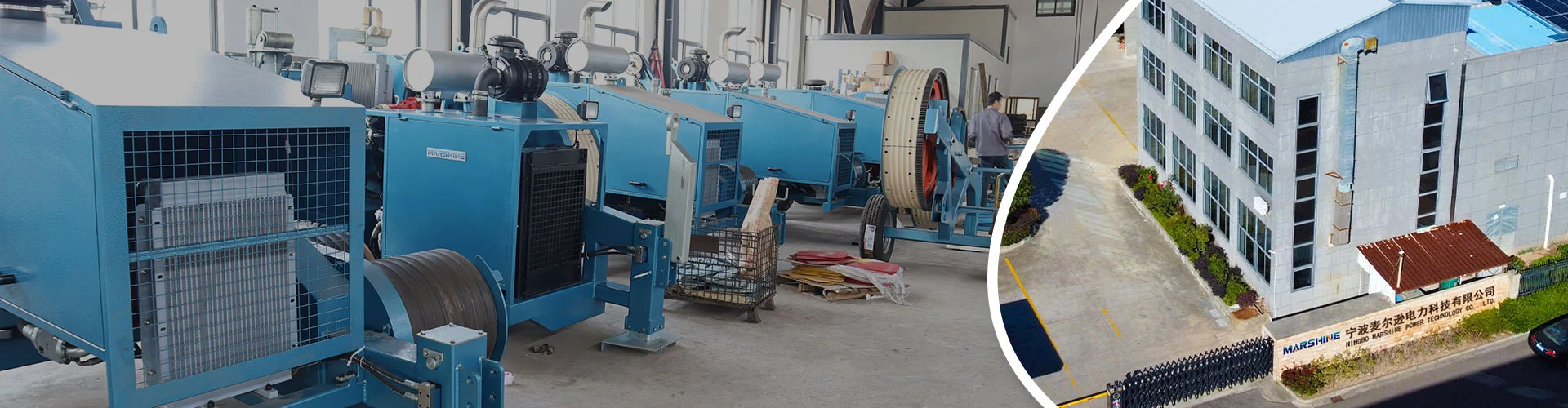
Always start the sourcing process by verifying the supplier's manufacturing certifications, such as ISO 9001 or CE marks, which guarantee the equipment meets strict international safety and quality standards. A reputable manufacturer should transparently report their factory defect rates, ideally keeping them within acceptable industry minimums. It is also a smart strategy to partner with a supplier that offers a comprehensive catalog rather than just a single tool type. For example, reviewing comprehensive supplier catalogs, such as those from MARSHINE, illustrates the value of accessing a full suite of transmission stringing blocks, heavy-duty pulleys, ratchet wrenches, double-hook tight line devices, and underground cable tools.
Further reading:
Key Takeaways
- Choose a portable punching machine when field crews need fast, clean holes in structural steel without sending heavy parts back to the shop.
- Compare punching capacity, throat depth, and material range before buying, because these specifications determine whether the tool can handle your daily steel work.
- Use a 35-ton machine for many mild-steel jobs up to about 10mm, but consider 45- to 50-ton models for 16mm to 20mm plate.
- Check AISC 360, EN 1090, and project engineering requirements before using punched holes in structural connections.
- For power and utility projects, select rugged hydraulic punching equipment that fits the wider workflow with cable winches, puller tensioners, and stringing tools.
Frequently Asked Questions
What is a portable punching machine used for on steel sites?
It punches clean, accurate bolt holes in beams, angle iron, flat bar, and steel plate directly on site, reducing the need to send material back to the fabrication shop.
Is punching faster than drilling steel?
Yes. A hydraulic punch can make holes in mild steel much faster than magnetic drilling, while avoiding metal shavings and reducing cleanup.
What punching capacity should I choose for thick steel?
Match capacity to your steel thickness and grade. A 35-ton unit can often handle mild steel up to about 10mm, while 45- to 50-ton models may punch 16mm to 20mm plate.
Why does throat depth matter?
Throat depth determines how far from the edge of the steel the machine can place a hole. Choose a deeper throat if you work on wide plates or structural members.
Are punched holes always allowed in structural steel?
No. Codes such as AISC 360 and EN 1090 may restrict punched holes based on edge distance, hole diameter-to-thickness ratio, and connection type.