A good cable conveyor decision starts with one question: what problem is the project trying to avoid? Some teams want to reduce labor pressure. Some want to prevent cable surface damage. Some need smoother feeding over a long distance. Others need a portable machine that can be moved between construction points without slowing the crew down.
On paper, cable installation looks like a straightforward job. In the field, it often becomes a contest between time, manpower, safety, and cable protection. A single cable may need to pass through trenches, ducts, corners, bridges, tunnels, substations, or temporary construction areas. If the cable is pulled unevenly, the outer jacket may be scratched. If workers drag it manually for too long, fatigue rises and mistakes become more likely. If the feeding speed is unstable, the winch, rollers, and site team may fail to stay coordinated.
This is where a cable conveyor becomes valuable. Instead of asking workers to carry most of the movement load by hand, the machine supports controlled cable feeding. The result is not only faster movement. More importantly, it gives the project team a more predictable installation rhythm.
For contractors, the pain is often financial. Cable damage can be costly. Rework can delay the schedule. Extra labor can weaken profit margins. For utilities and telecom companies, the pain is reliability. A poorly handled cable may pass visual inspection but still create long-term risk. For procurement teams, the pain is choosing equipment that looks similar online but performs very differently on site.
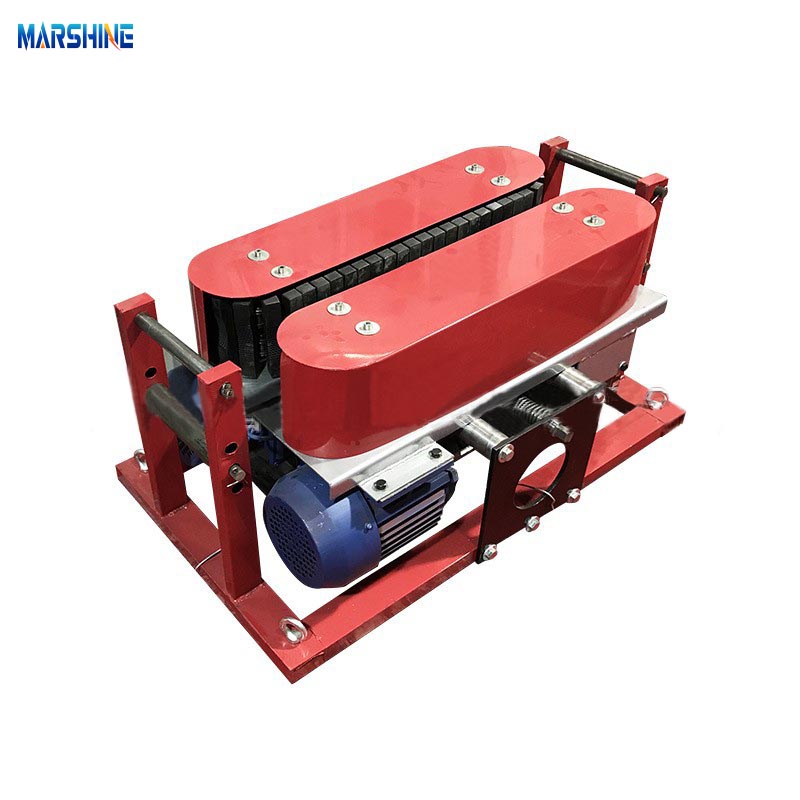
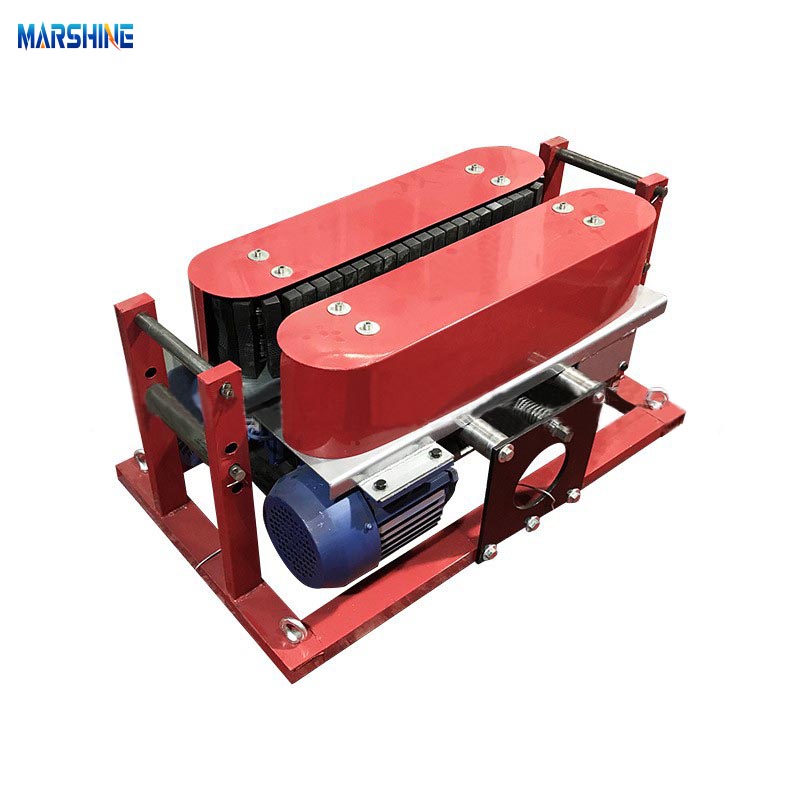
A cable conveyor moves cable through friction, guidance, and controlled driving force. Depending on the model, the conveyor may use rubber crawler belts, rollers, steel-frame support, electric motors, gasoline engines, or hydraulic power. The key is not simply pulling harder. The better goal is to move the cable steadily without crushing, slipping, twisting, or shocking it.
In many projects, the cable conveyor works together with cable rollers, cable reel stands, pulling winches, and communication between workers along the route. When placed correctly, multiple conveyors can share the cable load over a longer distance. This helps prevent one machine or one pulling point from taking too much stress.
For example, when a cable route includes long ducts or several turning points, the project team may place conveyors at critical sections to keep the cable moving smoothly. When the job is outdoors and power supply is limited, a gasoline-powered option may be more practical. When the work is inside a plant, substation, or controlled construction area, an electric cable conveyor may offer cleaner and more stable operation.
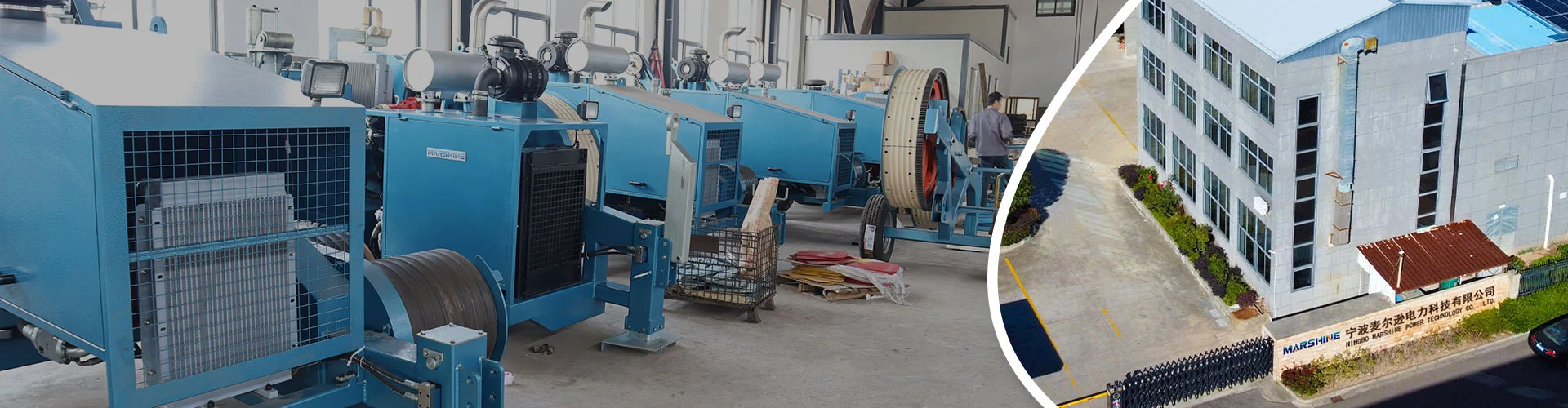
Ningbo Marshine Power Technology Co., Ltd. supplies cable laying and power construction equipment for teams that need practical machines rather than decorative catalog products. For buyers comparing cable conveyor options, the important point is to look at the whole working scene: cable size, route condition, available power, crew skill, required mobility, and long-term use frequency.
A reliable cable conveyor should match the project instead of forcing the project to adapt to the machine. Before choosing, buyers should consider the following points carefully.
Different cable conveyor structures serve different jobsite needs. The following table gives buyers a simple comparison before technical confirmation.
| Type | Best Fit | Main Advantage | Buyer Should Check |
|---|---|---|---|
| Fixed Cable Conveyor | Factories, substations, repeated cable handling points | Stable operation for regular or continuous work | Installation space, route layout, long-term maintenance access |
| Mobile Cable Conveyor | Construction sites, outdoor jobs, temporary installation points | Easy movement between different work areas | Machine weight, wheel design, lifting method, field transport needs |
| Electric Cable Conveyor | Sites with available power supply and controlled working conditions | Clean operation, stable speed, convenient daily use | Voltage, motor power, cable route distance, weather protection |
| Gasoline Cable Conveyor | Outdoor projects or remote areas without easy power access | Independent power source and flexible field use | Fuel management, noise level, ventilation, maintenance schedule |
| Rubber Crawler Cable Conveyor | Projects requiring stronger cable grip and surface protection | Improved friction while reducing direct metal contact | Crawler width, pressure adjustment, replacement parts availability |
Cable conveyors are widely used in projects where cable movement must be efficient, controlled, and repeatable. They are especially useful in jobs where manual pulling would be too slow, too risky, or too inconsistent.
The best use of a cable conveyor is not to replace the whole cable laying system. It should strengthen the system. When matched with cable rollers, reel stands, winches, and trained workers, the conveyor becomes part of a smoother installation process.
Buyers should not rely only on product photos. A cable conveyor may look strong, but the real question is whether it fits the project’s cable and site conditions. Before ordering, prepare the following details for the supplier.
A responsible supplier should be able to discuss these details with you instead of pushing one standard model for every situation. If the supplier asks about cable size, working route, power conditions, and construction method, that is usually a good sign. It means the recommendation is being built around the job rather than around inventory.
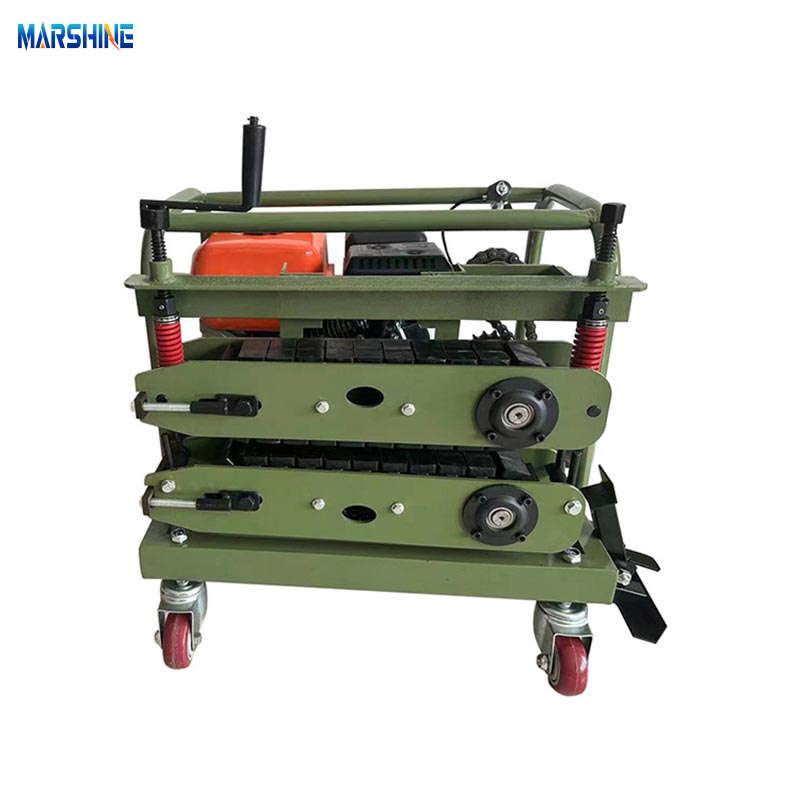
A cable conveyor works in demanding conditions, so good operation habits matter. Even a well-built machine can perform poorly if it is used without inspection or placed incorrectly along the cable route.
Maintenance is not just about protecting the machine. It protects the cable, the workers, and the project schedule. For companies that use cable conveyors regularly, keeping spare wearable parts available can also reduce downtime.
Q1: Is a cable conveyor necessary for every cable laying project?
Not always. Small, short, and simple cable routes may be handled manually with rollers and basic tools. However, when the cable is heavy, the distance is long, the route has bends, or the schedule is tight, a cable conveyor can greatly improve control and reduce labor pressure.
Q2: Can one cable conveyor handle a long-distance cable route?
It depends on the route length, cable weight, friction, and turning points. For long or complex routes, multiple conveyors may be placed at different sections to share the load and maintain smooth cable movement.
Q3: Should I choose an electric or gasoline cable conveyor?
Choose electric when the site has a stable power supply and requires cleaner, quieter operation. Choose gasoline when the project is outdoors, remote, or difficult to connect to electricity. The final choice should also consider maintenance ability and safety requirements.
Q4: Will a cable conveyor damage the cable jacket?
A suitable machine, correctly adjusted, should help reduce damage rather than cause it. The key is proper pressure, clean contact surfaces, correct alignment, and matching the conveyor to the cable diameter and material.
Q5: What information should I send to the supplier before asking for a quotation?
Send cable diameter, cable weight, laying distance, site photos if available, route layout, power source, expected working time, and whether the equipment must be mobile. These details help the supplier recommend a more accurate cable conveyor model.
Q6: Can a cable conveyor be customized?
Many projects need adjustments in frame structure, power source, crawler design, control method, or site mobility. Buyers should discuss customization needs early, especially for unusual cable sizes, special terrain, or repeated project use.
A cable conveyor is more than a machine that moves cable. It is a practical answer to several common project problems: heavy manual labor, unstable pulling, cable jacket damage, slow installation, and poor coordination across the worksite. When selected correctly, it helps the team work faster while giving the cable a safer and more controlled path.
For buyers, the smartest approach is to start with the jobsite instead of the catalog. Look at cable size, route distance, power availability, terrain, mobility, and long-term use. Then match these conditions with the right conveyor structure and drive system. A well-chosen cable conveyor can protect both the project budget and the installation quality.
If you are comparing cable conveyor options for power construction, telecom installation, renewable energy projects, or industrial cable laying, Ningbo Marshine Power Technology Co., Ltd. can help you review your working conditions and choose a practical solution. Share your cable size, route length, power source, and project environment with our team, and contact us today for a suitable recommendation and quotation.