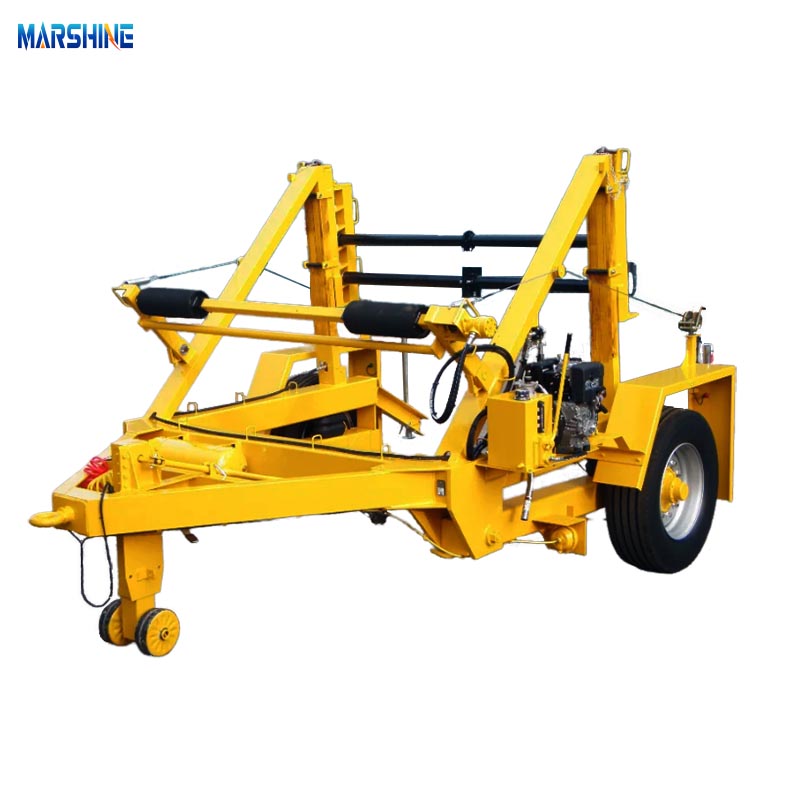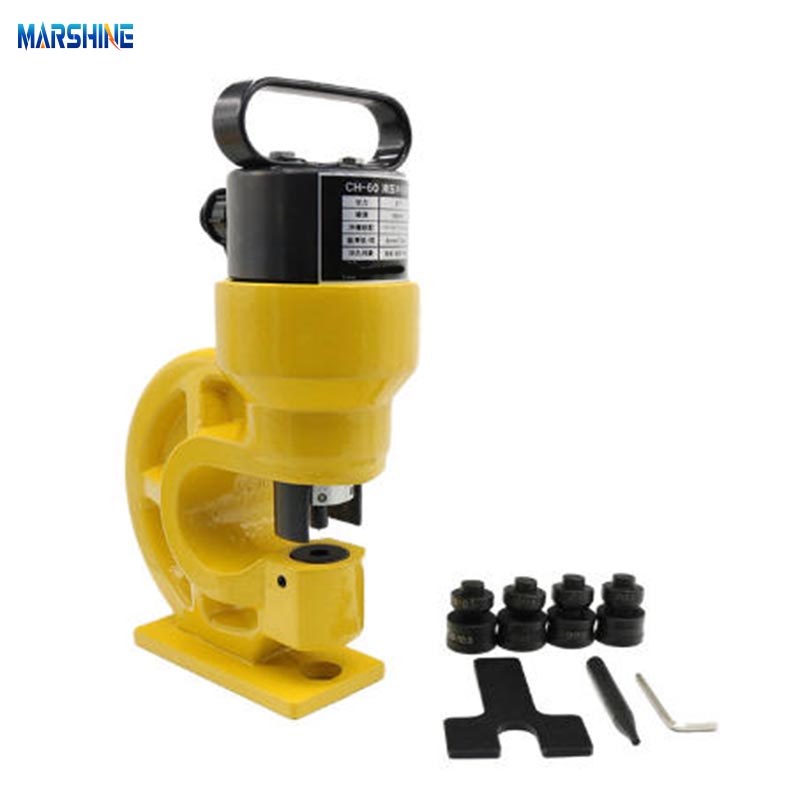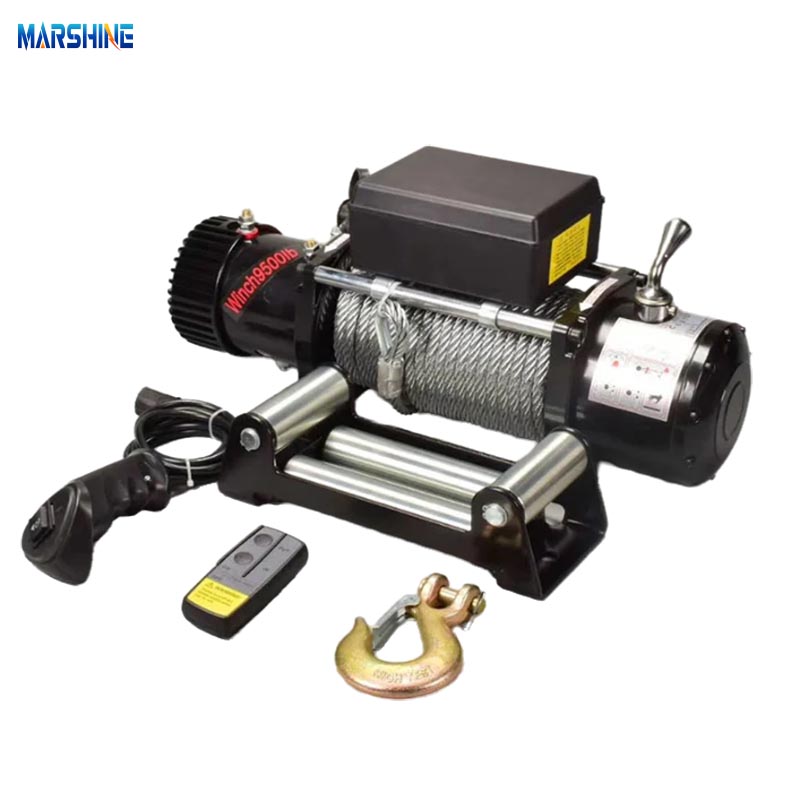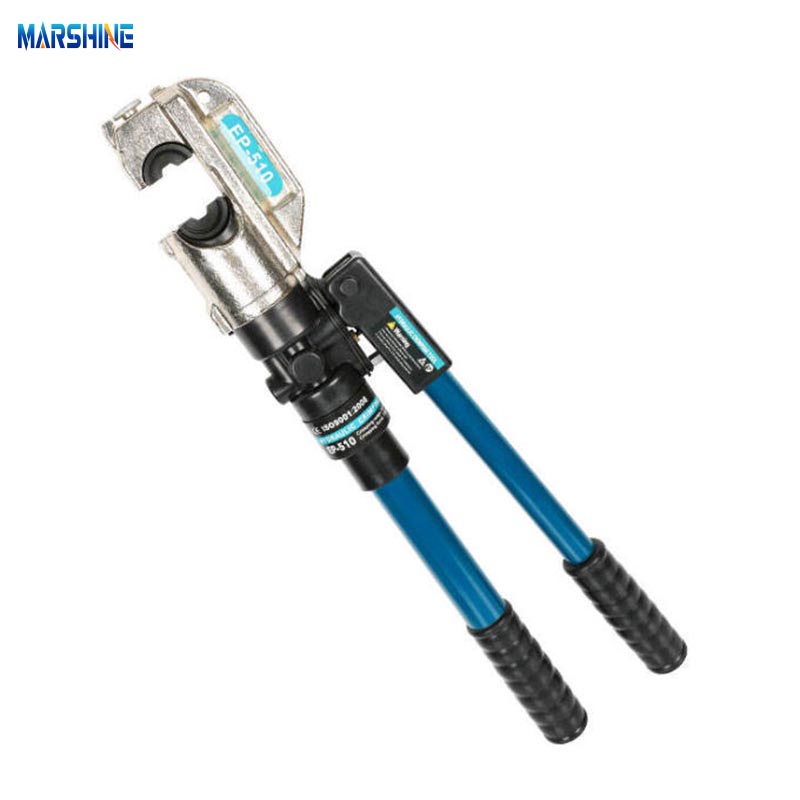

No, pulling power cable feeder is significantly more complex and challenging than tying shoes. It demands specialized knowledge, intricate equipment, and strict safety protocols. Projects involving power cable feeder require substantial investment. For instance, a 69 kV underground installation can cost around $1.5 million per mile. MARSHINE provides essential tools, like a robust cable installation machine, for these demanding tasks.

Pulling underground power cable feeder is far from simple. It involves understanding the unique properties of the cables themselves, navigating tough underground conditions, and relying on specialized conduit systems. Each of these elements adds layers of complexity to the job.
Power cable feeders are not just ordinary wires; they have specific electrical properties that make them unique. Compared to alternatives like bus ducts, these cables present different challenges and advantages. Take a look at how they stack up:
| Electrical Property | Power Cable Feeders (Wire/Conduit/Cable/Tray) | Bus Duct (Alternative Feeder Type) |
|---|---|---|
| Resistance | Higher resistance | Inherently less resistive |
| Voltage Drop | More susceptible to voltage drop | Positive feature due to lower resistance |
| Fault Current | Allows less fault current downstream | Allows more fault current downstream |
| Arc Flash Hazard | Greater flexibility with arc flash reduction | Increases potential arc flash hazard |
| Coordination | Offers greater flexibility with overcurrent device coordination | Affects overcurrent device coordination |
Teams must carefully consider conductor ampacity and voltage drop when sizing and determining the number of conductors for power cable feeder installations. Heat generation also plays a big role. Resistance, cross inductance, and outside influences all create heat, and the installation media affects how quickly the heat dissipates. This requires careful design, considering location, proximity, and length to manage heat and ampacity effectively.
The insulation materials used in these cables also show their distinct nature. Manufacturers use a variety of materials, each with specific properties for different applications and voltage ratings:
This wide range of materials highlights the specialized engineering behind each power cable feeder.
The ground itself presents significant hurdles for underground cable installation. You face various geological challenges that can complicate the process.
Unstable ground conditions also pose a major problem. If soil analysis reveals instability, teams might need specialized foundation solutions, like piles, instead of standard concrete slabs for heavy installations.
Soil conditions vary greatly and can significantly complicate installation. Corrosive soil conditions and high water table areas are particularly problematic. Corrosion is a primary cause of metallic conduit failure, especially where buried and exposed sections meet and moisture collects. Galvanic corrosion speeds up when dissimilar metals, like a copper ground wire and steel conduit, touch in moist soil. This leads to rapid pipe wall degradation. Even galvanized rigid metallic conduit (RMC) can suffer in aggressive soils with high levels of chloride or sulfate. PVC-coated metallic conduits also fail if installation damages the coating, exposing the base metal to corrosive elements.
Site assessment for direct-buried cable installation includes soil testing. This helps identify soil types like sandy, clay, or rocky soils. This determination is crucial for excavation feasibility and cable stability. For example, rocky soils may require specialized equipment to reach the necessary depth, while sandy soils, though easier to dig, risk erosion.
Direct-buried cables are engineered with features to ensure environmental resilience in diverse underground conditions. These include resistance to soil acidity and corrosive chemicals, tolerance to operational temperature extremes, and protection against biological threats like rodents. Often, they include optional steel armoring, such as corrugated steel tape. These adaptations ensure long-term reliability across different soil types and climates.
Given the harsh underground conditions, conduit and duct systems become essential. They protect the power cable feeder from environmental damage and make future maintenance easier.
Polyvinyl Chloride (PVC) plastic utilities duct is a common choice for underground installations. Different types of PVC duct serve specific purposes:
You can also use DB products for concrete-encased applications. Fittings for these ducts follow specifications described in NEMA BI 50065 (Previously TC 9). These systems provide a crucial protective layer, ensuring the longevity and reliability of the underground power infrastructure.

Installing underground power cables requires careful planning and the right tools. It is a complex process. Teams must follow specific steps to ensure a successful and safe installation.
Before any cable pulling begins, thorough planning is essential. This stage involves detailed route surveys and risk assessments. Teams identify potential obstacles and determine the best path for the cable. They also select the appropriate equipment for the job. This includes choosing the right size and type of winches, rollers, and lubricants. Proper planning minimizes surprises and helps the installation run smoothly.
Preparing the cable and conduit is a critical step for a successful pull. Lubricants play a vital role in reducing friction during the pull. This protects the cable from damage and makes the process easier. Many specialized lubricants exist for different cable types and conditions.
For example, Techlube HD works well for heavy power cables and complex routes, including 11kV, 33kV, and EHV cables (66-132kV). Techlube Multi is an all-purpose lubricant for underground cable ducts. For lighter installations and medium-weight armored power cables, Techlube PHD is a pourable option. Other lubricants like Techlube M and Techlube FO cater to telecoms and fiber optic cables. MARSHINE provides the necessary tools that work seamlessly with these high-quality lubricants, ensuring efficient cable installation.
These lubricants offer many benefits. They are biodegradable, non-toxic, and water-based. They are also compatible with various cable jacket materials like HDPE, PVC, and EPR Rubber. Workers can apply them by hand, by pouring, or using a cone feeder system. They perform well in temperatures from -5°C to 60°C, with special formulas for colder weather. Importantly, these lubricants do not contain harmful substances like salt or detergent that could degrade cable jackets. Their "Cling & String" consistency ensures they stick well to the cable and duct walls, even in wet conditions. Techlube PHD, for instance, resists wash-off in water-filled ducts and continues to lubricate in flooded conditions. It also dries slowly, leaving a friction-reducing film that allows for future cable additions or removals.
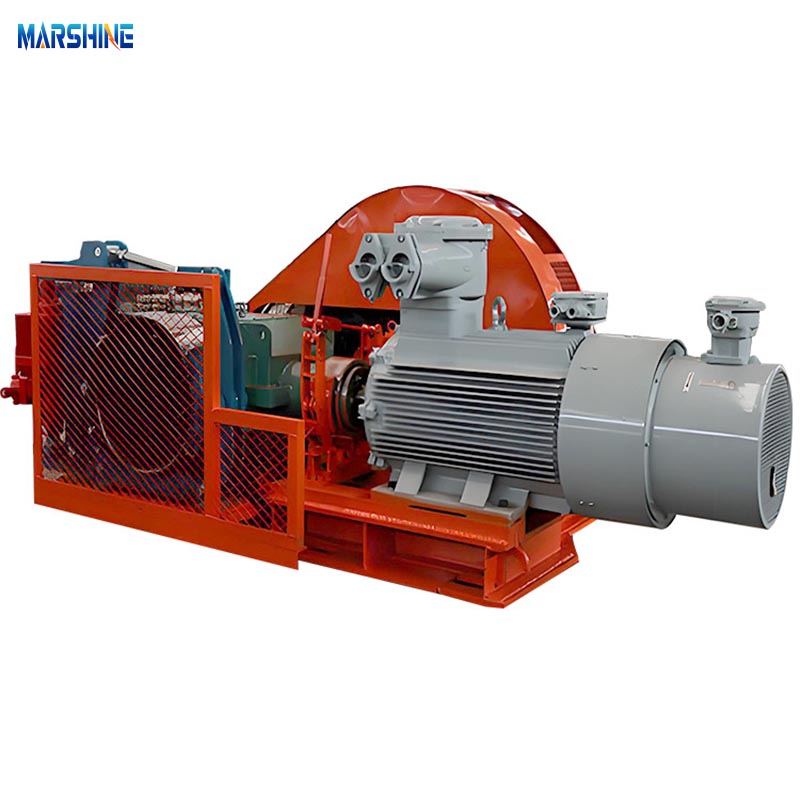
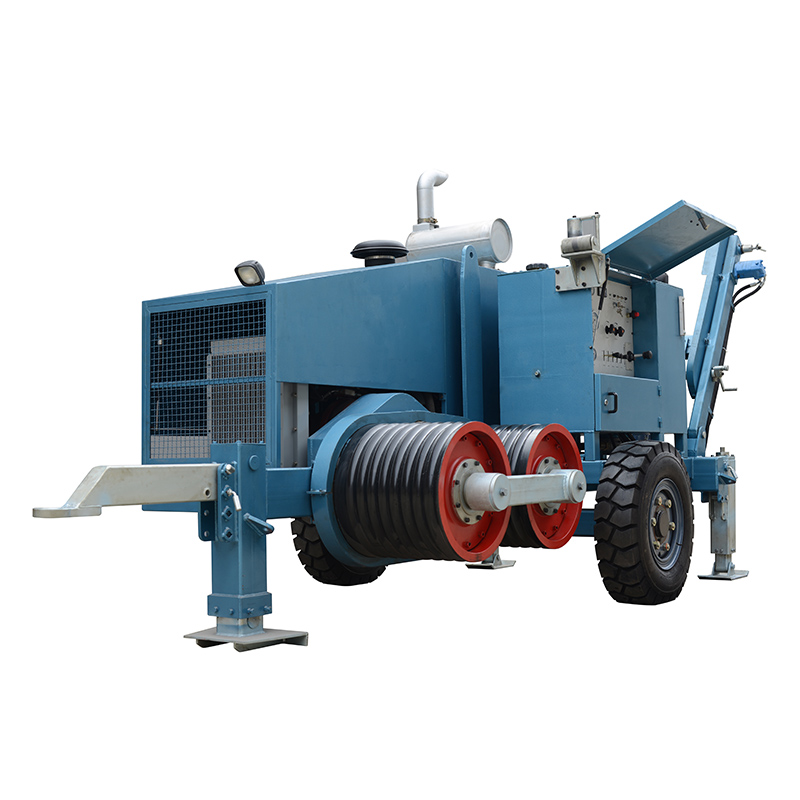
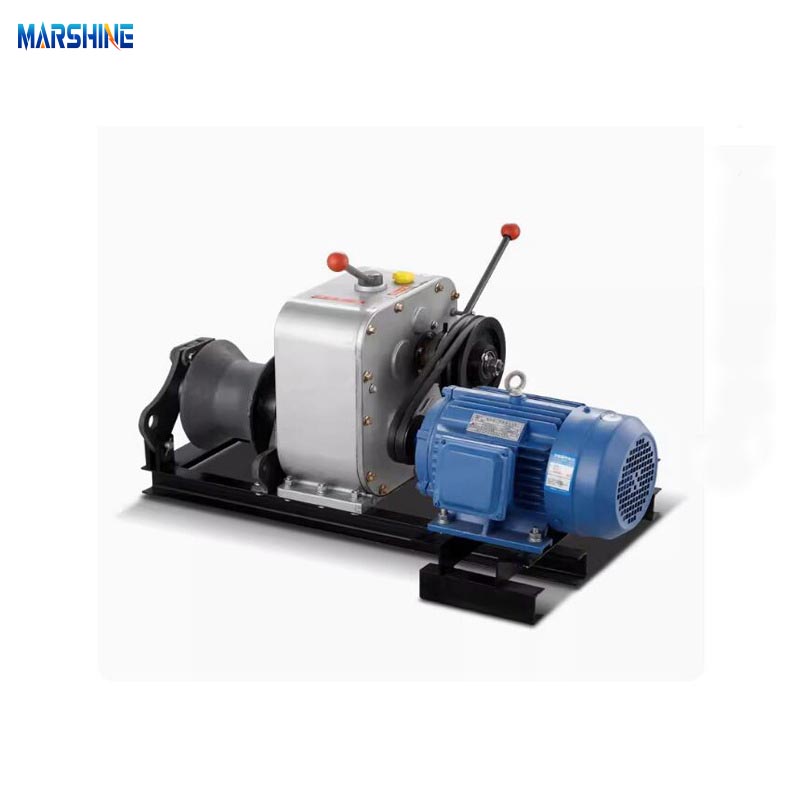
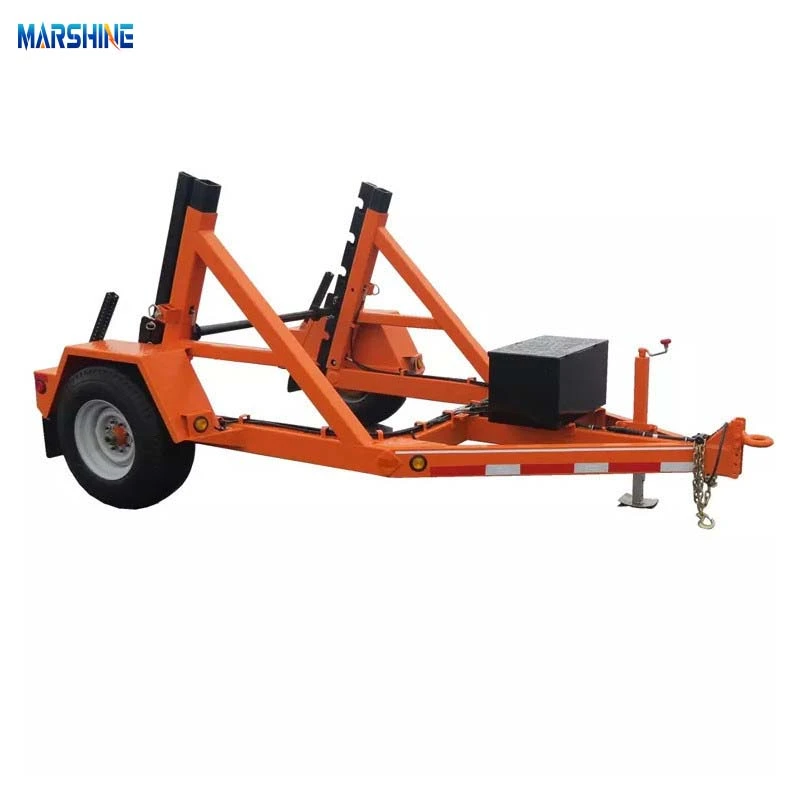
Specialized tools are indispensable for pulling power cable feeder. Cable pulling winches are central to this process. They provide the necessary force to pull heavy cables through conduits. MARSHINE offers a wide range of winches designed for various applications.
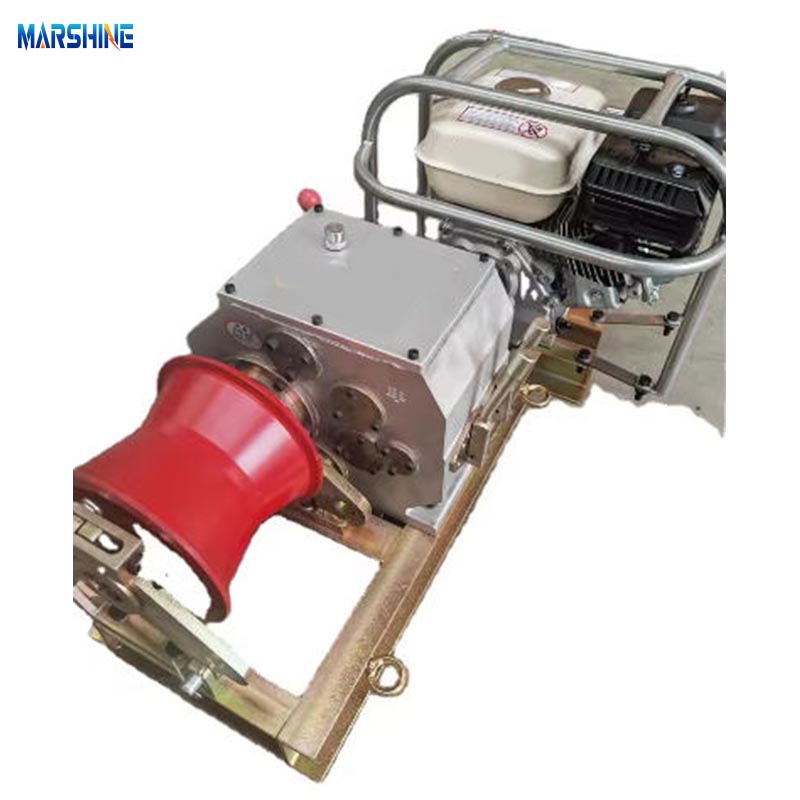
For instance, the MARSHINE LJD cable puller models, like the LJD2A (20 kN continuous pull) and LJD3 (30 kN continuous pull), can pair with a DLSSJ cable feeder for traction steering. MARSHINE also manufactures gasoline-powered wire rope cable pulling engine winches. These are useful for tower erection, traction, paying off, and laying cables in power line construction. Another option is the double capstan diesel or gas power winch, a 5-ton model used for tower erection and stringing. For heavy-duty manual lifting, the 110V wire rope hand cable pulling winch provides strength and reliability. MARSHINE's 2-ton high-speed boat dock cable winches are designed for heavy-duty traction and lifting in construction, marine, and mining sectors.
Beyond winches, cable rollers are crucial for guiding and protecting the cable during the pull. They reduce friction and prevent damage as the cable moves along the route. Many types of rollers exist for different situations:
These rollers ensure the cable maintains its integrity throughout the pulling operation. MARSHINE provides a comprehensive range of these essential tools, ensuring every aspect of the cable pulling process is supported with high-quality equipment.
Monitoring and control are vital during the cable pulling process. Teams must continuously track pulling tension and speed. This prevents overstressing the cable and ensures a smooth installation. Data logging systems play a key role in this monitoring.
The IntelliLink® Setup Software and IntelliTeam® FMS Feeder Management System are common data logging systems. Both systems offer capabilities for logging data, events, and alarms. IntelliLink® Setup Software is a Windows-based program. It interfaces with S&C automation controls. Users can view real-time data, manage settings, and download historical information. The IntelliTeam® FMS Feeder Management System provides more extensive fleet management. It includes scheduled data gathering and DNP point logging. These systems help teams make informed decisions and troubleshoot issues in real-time. This ensures the safety and efficiency of the power cable feeder installation.
Installing underground power cables involves many risks. Teams must actively work to prevent damage, overcome obstacles, and ensure everyone's safety. They also need to consider the environment.
Poor installation practices often cause power cable failures. Workers might stress or bend cables incorrectly, which weakens them over time. Pinching, crushing, or cutting the cord during installation can weaken insulation and expose wires. This creates safety hazards. Improper handling, like excessive bending or placing heavy objects on cables, also weakens them. This can lead to electrical current release or complete failure. Repeated bending and twisting can irreversibly strain conductor wires. Excessive pulling tension or exceeding minimum bending radii can cause mechanical failure.
To protect the cable, advance planning and clear field communication are crucial. Teams should ensure they can handle and place the reel correctly. They also need room for cable laydown. Straightening out the run minimizes bends. Sidewall bearing pressure increases significantly after two 90-degree bends. Reducing run lengths directly lowers pulling tensions. Using bigger conduit sweeps and sheaves helps reduce sidewall bearing pressure and respects the cable's minimum bend radius. A lower coefficient of friction (COF), like 0.25 with good lubrication, greatly impacts pull calculations. Excessive sidewall bearing pressure (SWBP) at bends is a common limiting factor. It can cause visible damage like flattened armor or stretched jackets. More critically, it can damage insulation, shortening cable life. This damage often goes undetected by initial tests. It can lead to partial discharge and premature failures years later, especially in medium voltage cables.
Even with careful planning, obstructions can appear. When a long pull becomes too difficult, teams use pull boxes or assist tuggers. These tools help break up long pulls into sections. They can also provide assistance in the middle of a run. Sometimes, reversing the pulling direction helps, as pull calculations are directional. Using equipment or cable products that reduce COF, like no-lube cable or cable tray rollers, also helps overcome resistance.
Safety is paramount in power cable operations. Workers must wear appropriate personal protective equipment (PPE). They need training on safe handling of heavy equipment and electrical systems. Following lockout/tagout procedures prevents accidental energization. Constant communication among the team helps avoid accidents.
Underground installations require environmental awareness. Teams must minimize soil disturbance during excavation. Proper disposal of waste materials, like old cable or excess soil, is essential. Protecting local ecosystems and waterways from contamination is also a key responsibility.
Pulling power cable feeder is a highly technical and demanding operation, nothing like tying shoes. It requires careful planning, specialized tools, skilled workers, and strict safety rules for a successful and safe installation. Companies like MARSHINE offer the essential, high-quality tools and knowledge needed for these complex projects.
Pulling power cable feeder is very complex. It involves detailed planning, navigating tough underground conditions, and using specialized equipment. Teams must also manage heat and prevent cable damage.
They use cable pulling winches, various cable rollers, and specialized lubricants. MARSHINE provides many of these essential tools for efficient installation.
Workers use proper handling techniques and avoid excessive bending. They control pulling tension and use protective conduit systems. Teams also monitor the pull closely.