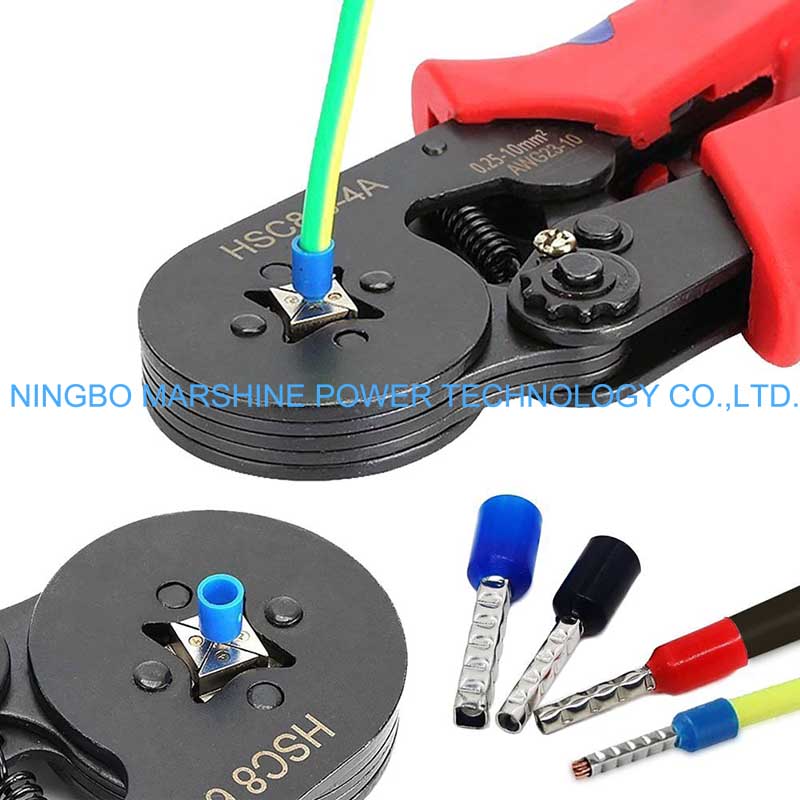
Yes, you can effectively crimp cable ferrule without a specialized tool! You just need careful technique with common alternatives like pliers or even a hammer. Our MARSHINE team understands you need quick, reliable solutions when a dedicated crimping tool isn't at hand. Poorly crimped connections, often from wrong tools or poor wire prep, lead to loose wires, overheating, and fire risks.
Before you attempt to crimp a cable ferrule, you need to get everything ready. First, gather your materials: the cable, the ferrule, and your pliers. Understand that using pliers for this job carries risks. Regular pliers are strongly advised against for crimping cable ferrules. They cannot produce a "qualified crimp." This means you might get issues like under-crimping or over-crimping. These problems can lead to loose wires, overheating, and even fire hazards.
Next, prepare your wire. You need to strip the insulation. Match the strip length to the ferrule's barrel depth. This means you strip just enough conductor to fill the ferrule. Avoid nicking or cutting any strands during this process. If you accidentally nick a strand, cut off the damaged section. Then, re-strip the wire.
Now, select the correct ferrule size for your wire. Insert the stripped wire completely into the ferrule. Push it until the copper touches the ferrule's cone. Make sure no copper extends past the ferrule's nose. Avoid twisting the strands too tightly before insertion.
You are ready to crimp. You might have wire crimpers or combination pliers with a crimping slot. These tools are primarily for other connectors. They are not ideal for ferrule caps. Regular pliers are even less suitable. They create point loads and random flats. This is not the engineered deformation needed for a gas-tight interface.
Here is how you can try to crimp a cable ferrule with pliers:
After crimping, you must check your work. First, perform a visual inspection. Look at the crimp. Is it evenly compressed? Is any copper exposed behind the ferrule's collar? There should be no exposed copper.
Next, do a simple "tug test." Gently pull on the wire. It should not easily come out of the ferrule. A good crimp holds the wire firmly. If the wire pulls out, you need to re-do the crimp.
Always remember the limitations. Pliers cannot make a "qualified crimp." A poor crimp can lead to high resistance. This causes voltage drop, heat rise, and potential fire risk. Such joints may also violate safety standards.
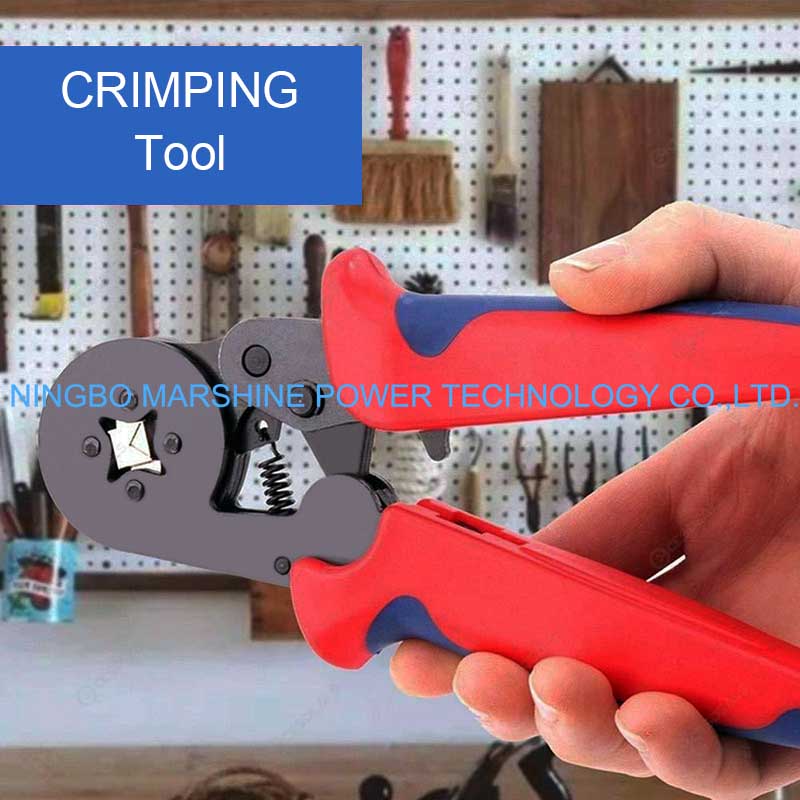
Sometimes, you just don't have the right tool. While specialized crimpers are always best, you can explore other ways to secure a cable ferrule. Remember, these methods are generally less reliable than a proper crimp. Use them only when absolutely necessary and for non-critical applications.
Using a hammer to crimp a cable ferrule is a very crude method. You should consider it a last resort. This technique involves brute force, and it often leads to an inconsistent connection.
Here's how you might attempt it:
Caution: Hammering can easily damage the wire strands or the ferrule itself. It creates a weak point. This method is highly discouraged for any permanent or critical electrical connection.
You can often secure wire connections without needing to crimp a ferrule at all. Many electrical components use terminal screws designed to hold wires directly. These methods offer a secure connection when used correctly.
Here are some common types of terminal screws and connectors you might encounter:
These alternatives bypass the need to crimp cable ferrule. They provide a reliable connection when you prepare the wire correctly and tighten the screws or clamps properly. Always ensure the wire is fully inserted and the connection is snug.
Knowing when not to crimp a cable ferrule without the right tool is just as important as knowing how. In many situations, using an improper method can create serious safety hazards.
For example, in the EU, ferrules are mandatory for stranded wire when you use screw terminals and line voltage. This means any non-tool crimping in these applications would not meet the required standard. It would be prohibited.
Consider these critical points, especially in the USA:
Many industry standards also mandate specialized crimping tools for specific electrical installations. You can see some examples in the table below:
| Standard | Organization | Application/Mandate for Specialized Tools |
|---|---|---|
| IEC Standards (e.g., IEC61238) | International Electrotechnical Commission (IEC) | Sets guidelines for crimped connectors, covering conductor material, crimp tool, and testing procedures for permanent and safe electrical connections. |
| BS Standards (e.g., BS7609 & BS7727) | British Standards Institution (BSI) | Codes of practice for installation and inspection of un-insulated and pre-insulated compression/mechanical terminals and connectors for power cables. |
| UL Standards | Underwriters Laboratories (UL) | Sets standards for crimping connectors, terminals, and splices, including material, crimping tool, and testing procedures. |
| MIL-SPEC Standards | Military Specification | Strict standards for crimping in military and aerospace industries, requiring extensive testing. |
| DIN Standards (e.g., DIN 46235, DIN 48083) | Deutsches Institut für Normung (DIN) | Guidelines for crimping connectors, covering conductor material, crimping tool, and testing. DIN 48083 specifically includes codes of practice and dimensions for dies used in pressure connections. |
| SAE Standards | Society of Automotive Engineers (SAE) | Standards for crimping in the automotive industry, covering conductor material, crimping tool, and testing procedures. |
Always prioritize safety. For critical applications, or when dealing with line voltage, always use the correct, listed tools and components. Your safety and the safety of others depend on it.
While specialized tools are ideal, our MARSHINE guide shows effective alternatives are possible. Always prioritize safety and a secure connection for optimal performance. Remember, improper methods risk loose connections and overheating. A properly secured ferrule ensures reliability and safety, even without a dedicated tool, preventing issues like corrosion and arcing that proper tools avoid.
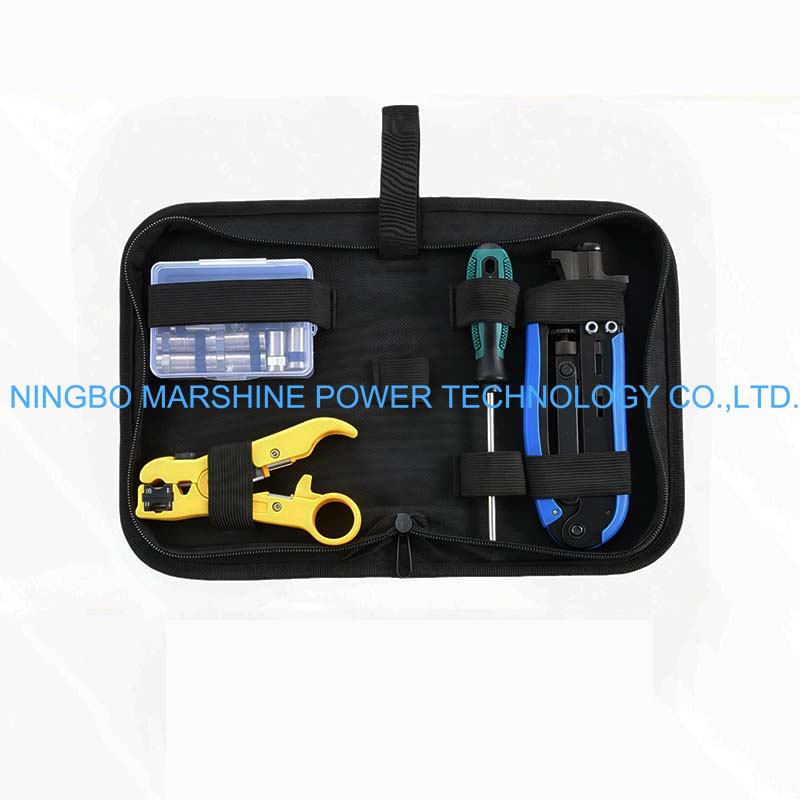
No, it's not truly safe. You risk poor connections, overheating, and fire. Always prioritize your safety.
A bad crimp causes loose wires, high resistance, and heat. This leads to voltage drops and potential fire hazards.
Always use a proper tool for critical applications, line voltage, or when safety standards require it. Your safety depends on it.