We are glad to share with you about the results of our work, company news, and give you timely developments and personnel appointment and removal conditions.
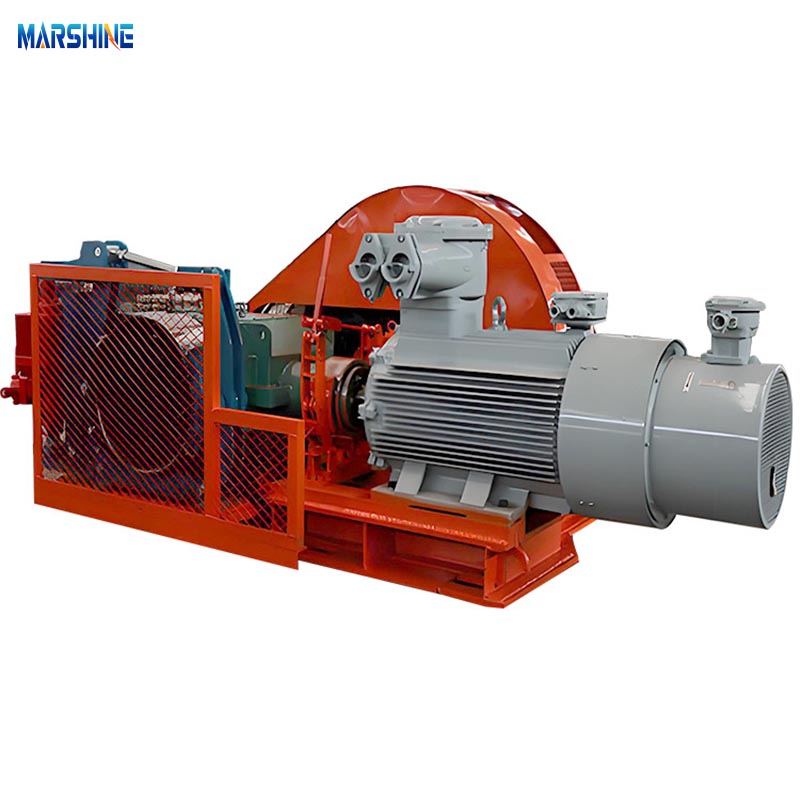
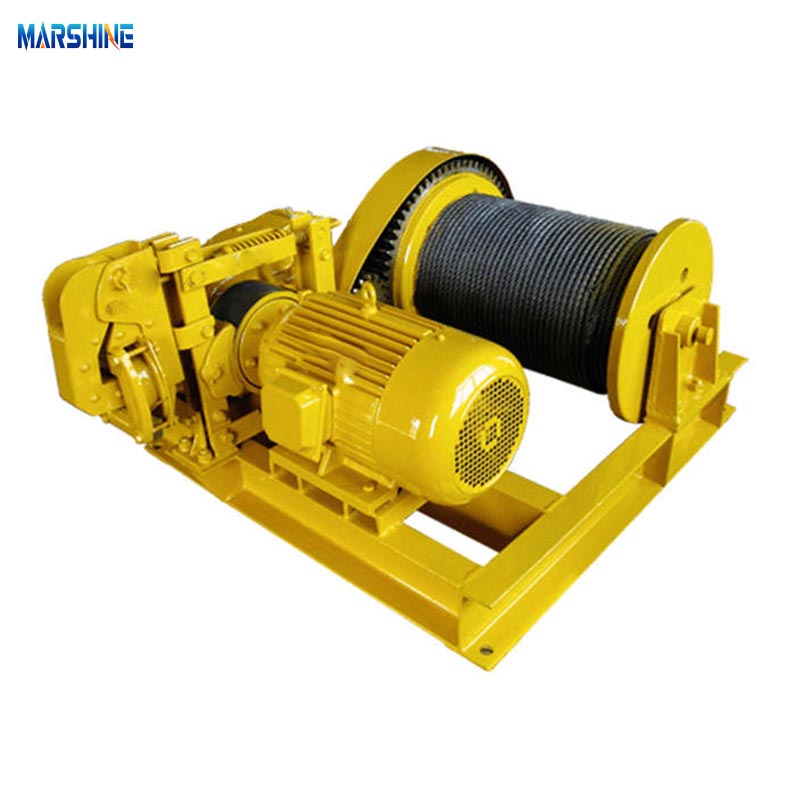
Cable installation projects often lose time not because crews lack skill, but because manual pulling cannot deliver consistent force over long distances. An electric hoisting winch changes that equation by combining controlled torque, predictable speed, and built-in safety features for underground, aerial, and utility cable work. With suitable models supporting heavy loads and steady pulling speeds, contractors can reduce crew fatigue, improve cable protection, and shorten setup time compared with manual or hydraulic methods. This article explains how electric winches improve efficiency, what features matter most, and why pairing the right winch with rollers, stringing blocks, and pulleys leads to smoother, safer cable pulling.
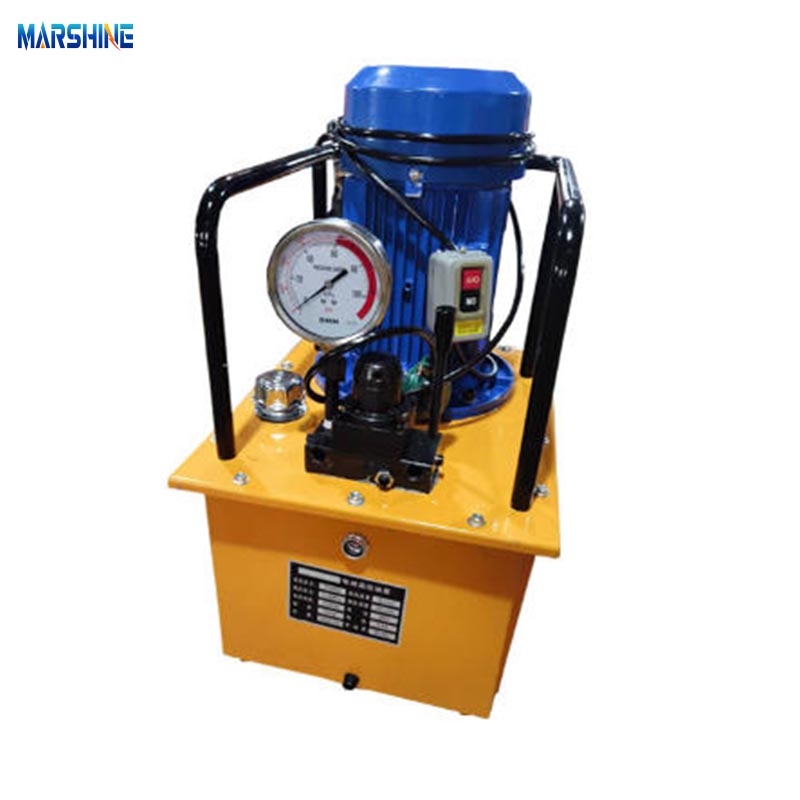
A stalled cable pull can cost more than time—it can damage conductors, delay energization, and put crews under unnecessary strain. For modern utility and underground grid projects, hydraulic power units give cable pulling teams the controlled force needed to move heavy lines through long conduits, uneven terrain, and demanding job sites. By converting engine power into high-pressure fluid flow, these systems support smoother pulls, steadier tension, and better protection for valuable cable assets. This article explains how hydraulic units work, why they outperform older mechanical methods in high-load applications, how they compare with electric pullers, and what specifications buyers should evaluate before choosing equipment.
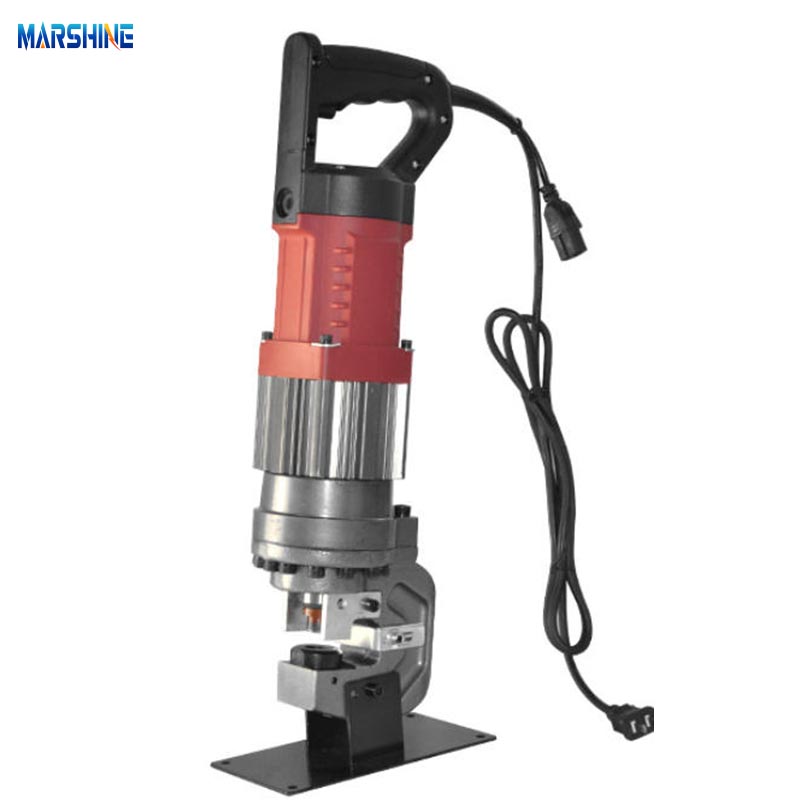
Missed holes in structural steel can stall a crew, delay lifting schedules, and turn a small field adjustment into an expensive logistics problem. A portable steel punching machine gives contractors a faster way to create accurate bolt holes on site, without the shavings, heat, and setup time often associated with drilling or cutting. The right model, however, depends on more than tonnage alone. Steel thickness, material grade, throat depth, die compatibility, site access, and code requirements all affect performance and safety. This guide explains the practical specifications to compare, the field conditions that matter most, and how to choose equipment suited to construction, utility, and steel-assembly work.
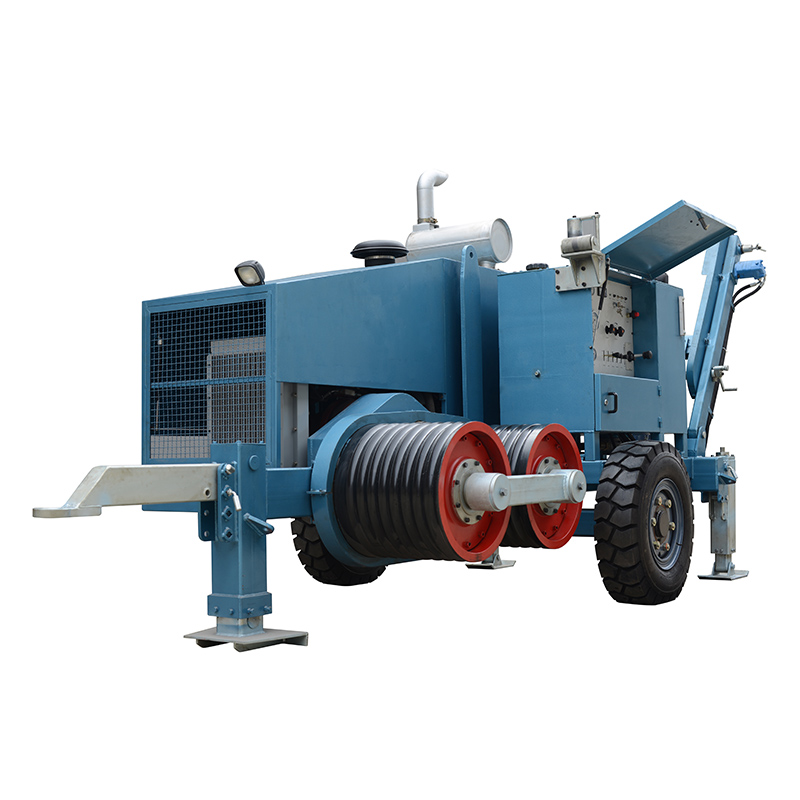
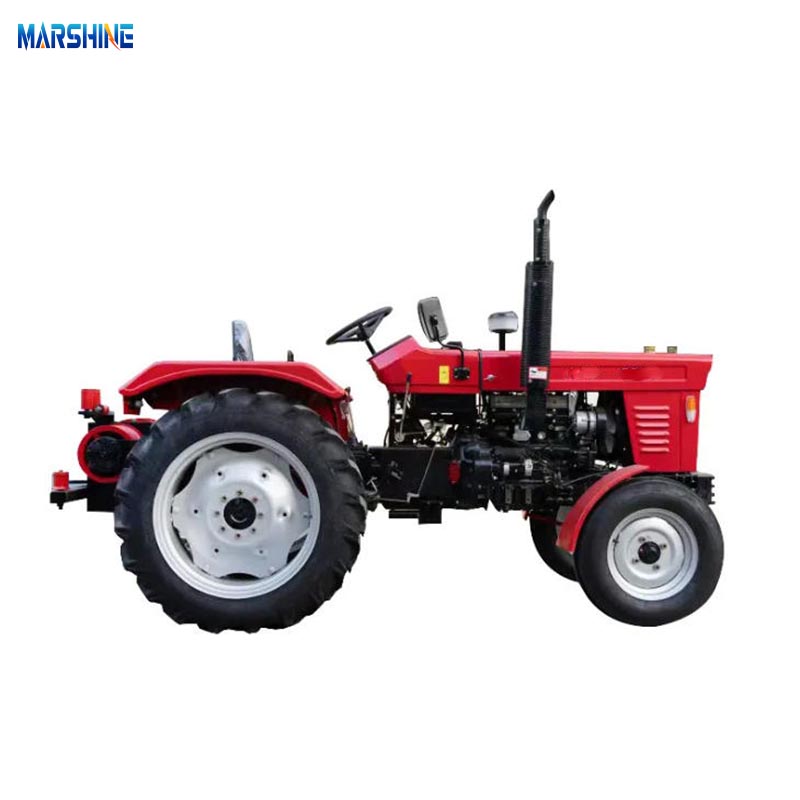
Cable installation projects are often won or lost in the minutes between pulls: setup delays, misaligned equipment, excess labor, and uncontrolled tension can quickly erode margins. Wheeled pulling equipment changes that equation by combining traction, mobility, and integrated controls on one chassis, allowing crews to move faster between access points while maintaining safer, more consistent cable handling. This article examines where mobile pullers deliver measurable value, including reduced setup time, leaner crew deployment, and pulling-force flexibility from light fiber work to heavier utility applications. It also highlights the limits contractors must plan for, from muddy terrain and steep slopes to maintenance, permitting, and operator training requirements.
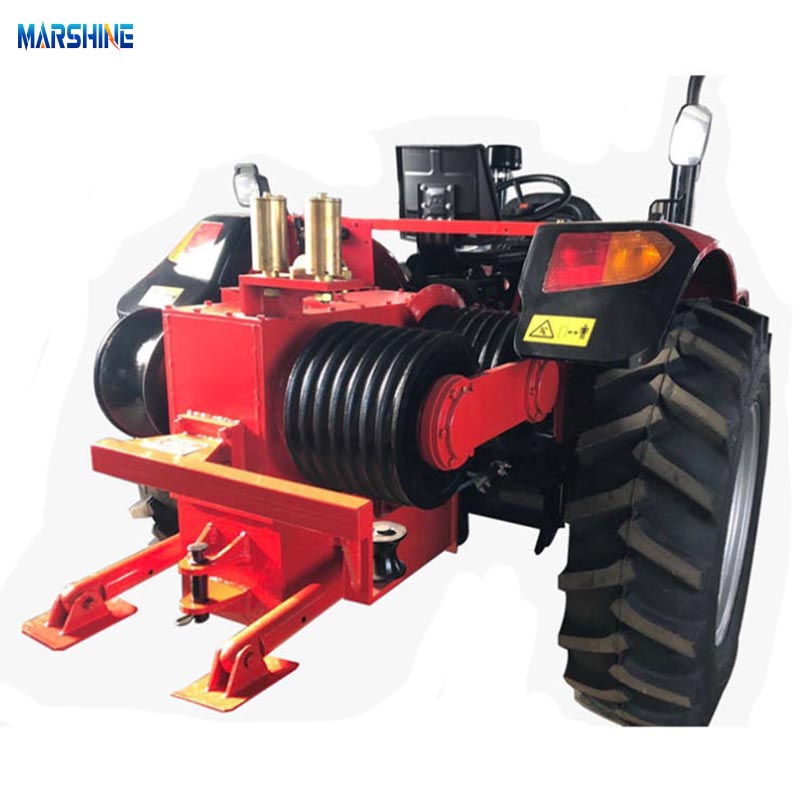
Cable pulling projects often lose time before the first meter of cable moves—crews must position trucks, align winches, manage soft ground, and coordinate labor around heavy tension loads. A self propelled winch changes that workflow by combining job-site mobility with controlled pulling force in one machine. For utility contractors working in trenches, narrow rights-of-way, substations, or off-road grid construction zones, the result can be faster setup, fewer operators, and more consistent cable handling. This article explains the key specifications that matter, compares self-propelled units with conventional winch setups, and highlights practical factors such as line speed, ground pressure, pulling capacity, safety, and total equipment cost.
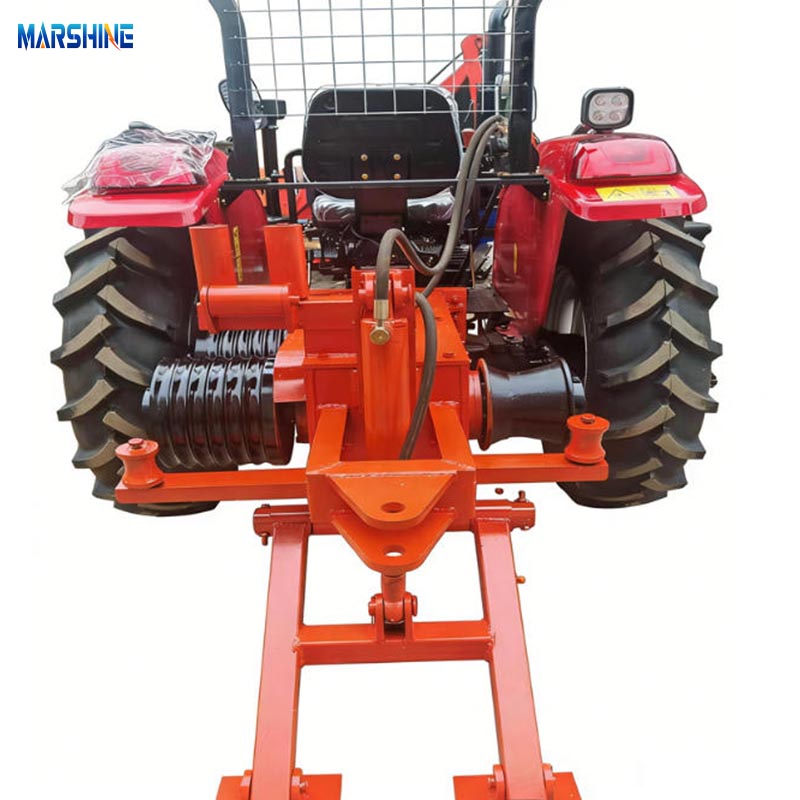
Heavy line pulling exposes crews to snapback, overloads, unstable equipment, and fatigue, especially in utility, telecom, forestry, and recovery work. A PTO cable winch reduces those risks by using a truck or tractor’s power take-off to deliver steady mechanical pulling force instead of relying on overheated electric motors or separate engines. This introduction explains why that direct power connection matters for safer load control, longer duty cycles, and more predictable tension under demanding conditions. It also sets up the key safety factors to consider, from operator positioning and equipment sizing to jobsite stability and maintenance practices.
We use cookies to offer you a better browsing experience, analyze site traffic and personalize content. By using this site, you agree to our use of cookies. Privacy Policy
 23 2026-06
  22 2026-06
  18 2026-06
  17 2026-06
  16 2026-06
  15 2026-06