We are glad to share with you about the results of our work, company news, and give you timely developments and personnel appointment and removal conditions.
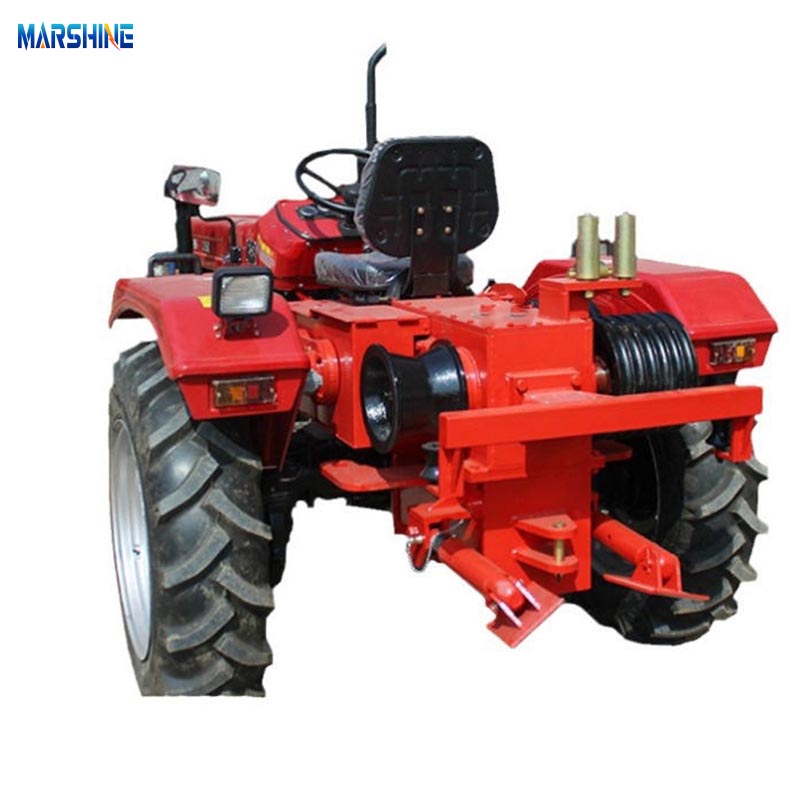
Choosing a tractor winch machine for forestry work means balancing pulling power, tractor compatibility, terrain demands, and operator safety. The right setup can improve log extraction speed, reduce strain on equipment, and keep the tractor out of unstable ground, while the wrong one can limit productivity or create unnecessary risk. This article explains the key factors to compare, including winch capacity, mounting type, cable system, control features, and build quality. By the end, you will have a clear framework for selecting a machine that fits your workload, your tractor, and the conditions you face in the field.
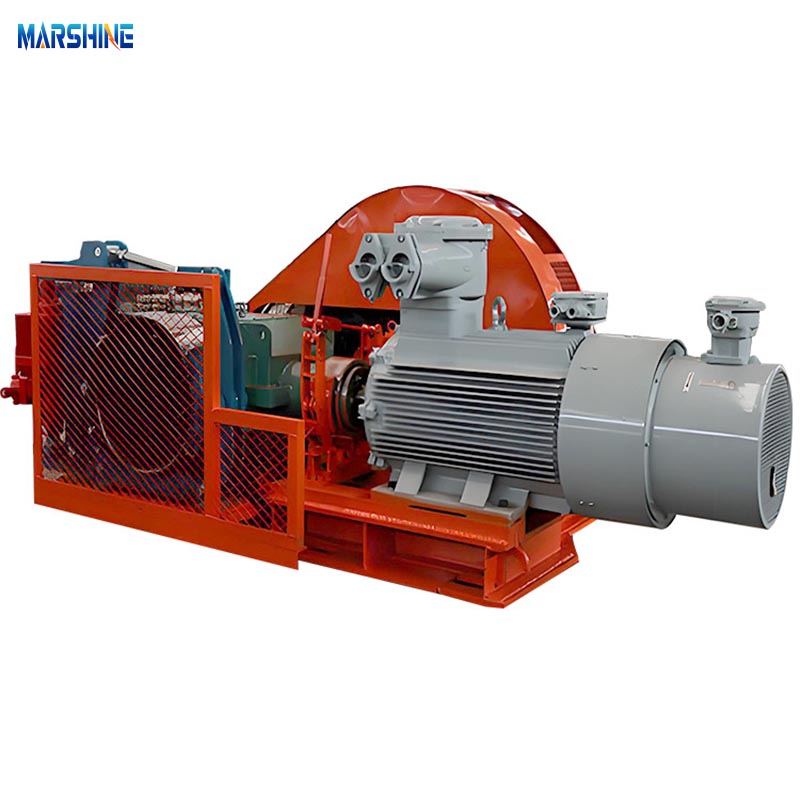
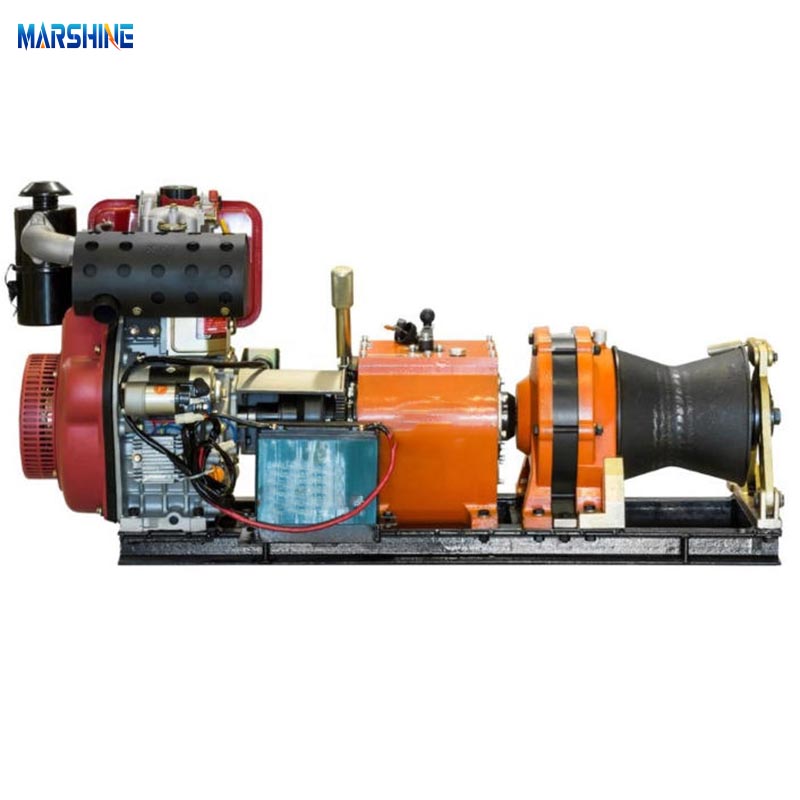
For utility and construction crews handling loads around 5 tons, a 50kN diesel capstan winch is often the practical choice when reliable pulling force is needed away from fixed power sources. The right model depends on more than rated capacity alone: engine output, rope speed, drum or capstan design, fuel efficiency, portability, braking, and frame durability all affect jobsite performance. This article explains which specifications matter most for foundation work, cable pulling, and similar field tasks, helping you compare options with a clearer understanding of where a 50kN diesel capstan winch truly fits and what tradeoffs to expect in daily use.
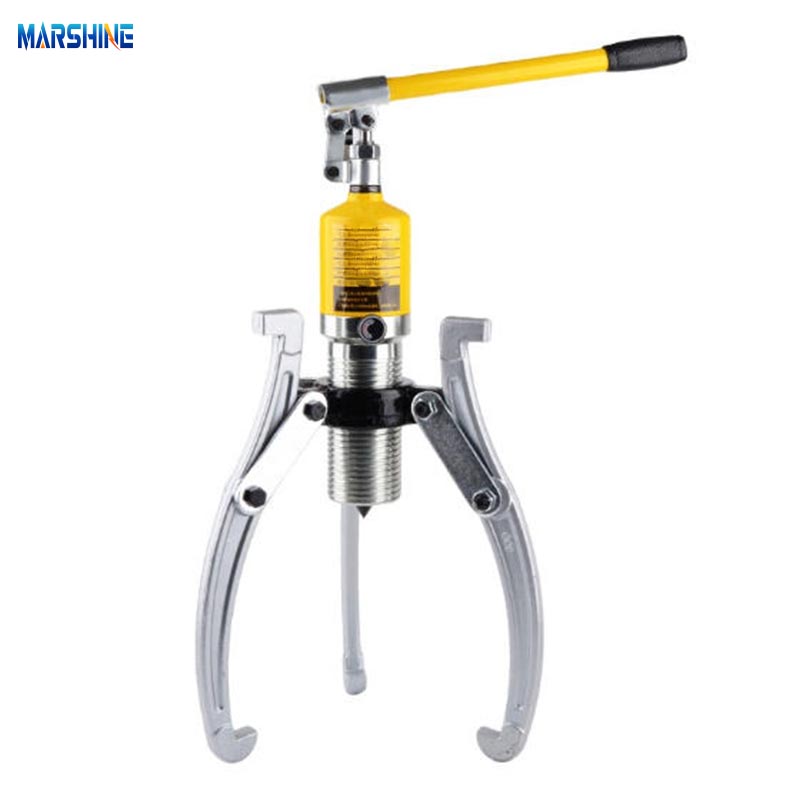
Removing a tight, interference-fit bearing without harming the shaft, housing, or nearby components requires more than force alone. A hydraulic bearing puller improves this process by applying controlled, even pressure that reduces shock loading, lowers the chance of jaw slip or sudden release, and makes difficult removals more predictable. It also helps technicians work faster in confined spaces and with less reliance on improvised methods such as excessive prying or heat. The sections that follow explain why this tool is safer than manual pullers, where it is commonly used, and which specifications matter when choosing the right model.
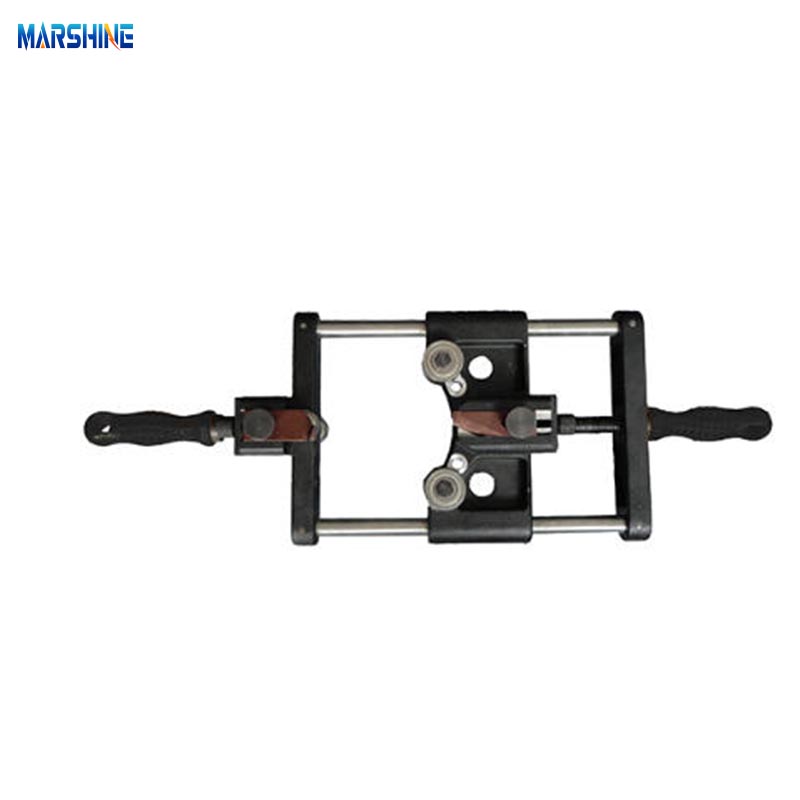
In high-voltage cable work, safety depends on far more than protective gear; it starts with how accurately insulation is removed. A dedicated cable insulation stripping tool reduces the risk of conductor damage, uneven cuts, and accidental slips that can introduce electrical stress points or expose workers to avoidable hazards. By controlling blade depth and improving handling in confined or wet conditions, it helps technicians prepare cables more consistently during splicing, termination, and maintenance. The sections that follow explain the specific safety problems these tools address, the design features that matter most, and why precision stripping directly supports both worker protection and long-term system reliability.
Wire rope pulling often becomes slower, riskier, and more labor-intensive when crews rely on bulky equipment or improvised methods in tight, uneven, or remote job sites. A portable capstan puller improves this process by delivering controlled traction in a compact, movable form, allowing operators to pull over long distances without the limits of a conventional drum. It can reduce setup time, ease handling in difficult terrain, and support steadier line movement for utility, cable, and construction work. The sections that follow explain how its capstan-based pulling action works, where it adds the most value, and why it can improve both field productivity and pull consistency.
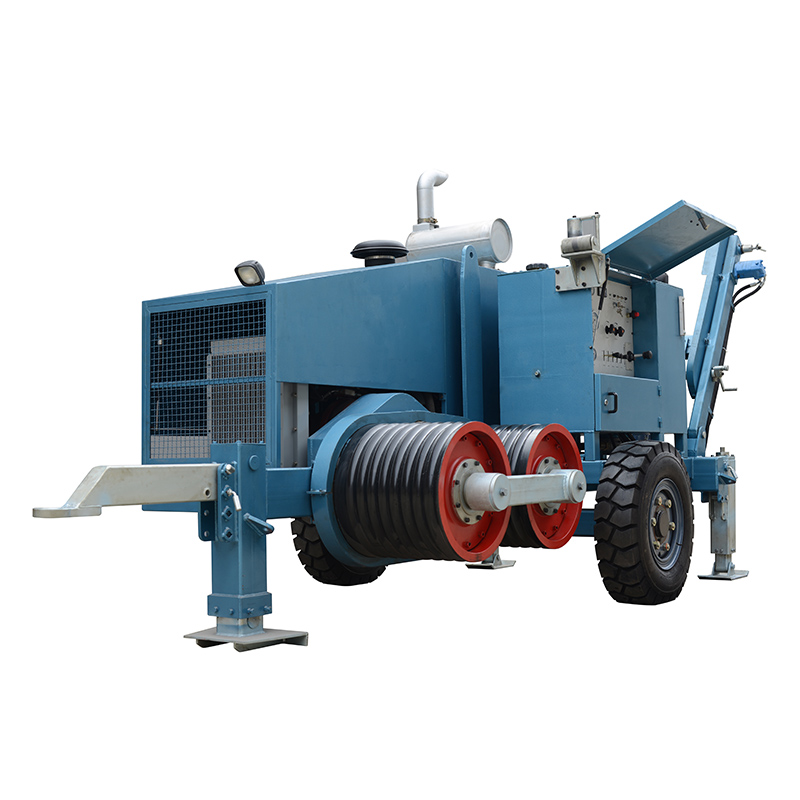
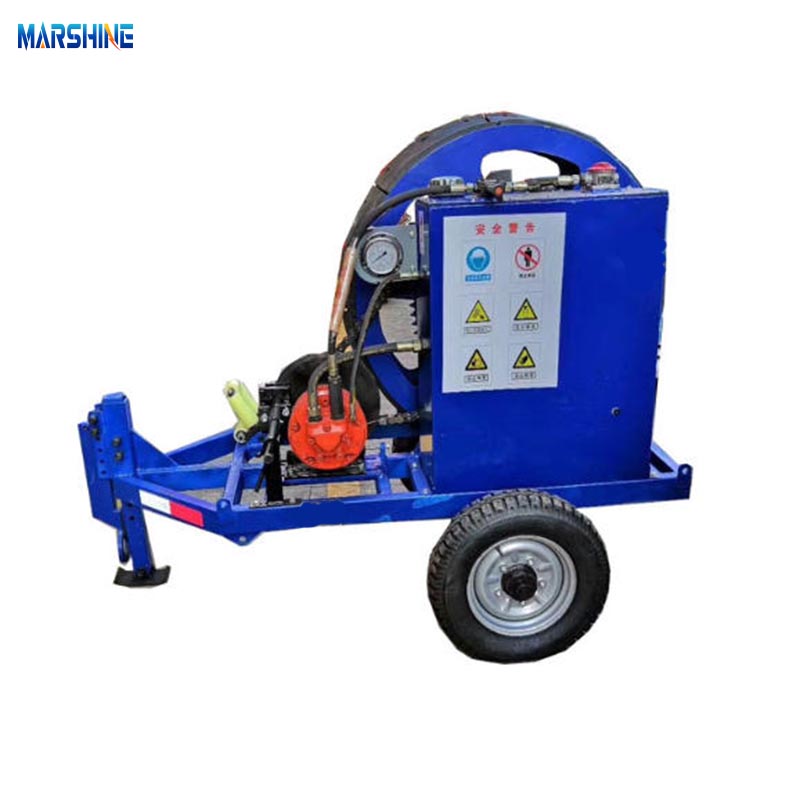
Cable installation depends on steady force, careful tension control, and the ability to keep work moving over long distances. A capstan winch machine improves this process by using friction around a rotating capstan instead of winding rope onto a storage drum, which helps maintain consistent pulling power and supports continuous operation. This matters in power, utility, and underground cable projects where interruptions, excess mechanical stress, and uneven traction can slow progress or risk damage. The sections that follow explain how the machine works, why it increases pulling efficiency, and where its design offers practical advantages over conventional winching methods.
We use cookies to offer you a better browsing experience, analyze site traffic and personalize content. By using this site, you agree to our use of cookies. Privacy Policy
 11 2026-06
  10 2026-06
  09 2026-06
  04 2026-06
  04 2026-06
  04 2026-06