We are glad to share with you about the results of our work, company news, and give you timely developments and personnel appointment and removal conditions.
Cutting armored cable safely depends as much on tool design as on operator technique. An armored wire cutter is built to handle steel wire armor, dense insulation, and heavy conductors with controlled force, reducing the slipping, crushing, and jagged cuts that often occur with general-purpose tools. For crews working with SWA, ACSR, or other reinforced cables, that means cleaner shears, less physical strain, and fewer opportunities for hand injuries or damage to the cable itself. The sections that follow explain how these cutters improve cable shear safety, what features make the biggest difference in the field, and when a dedicated cutter is the better choice than standard hand tools.
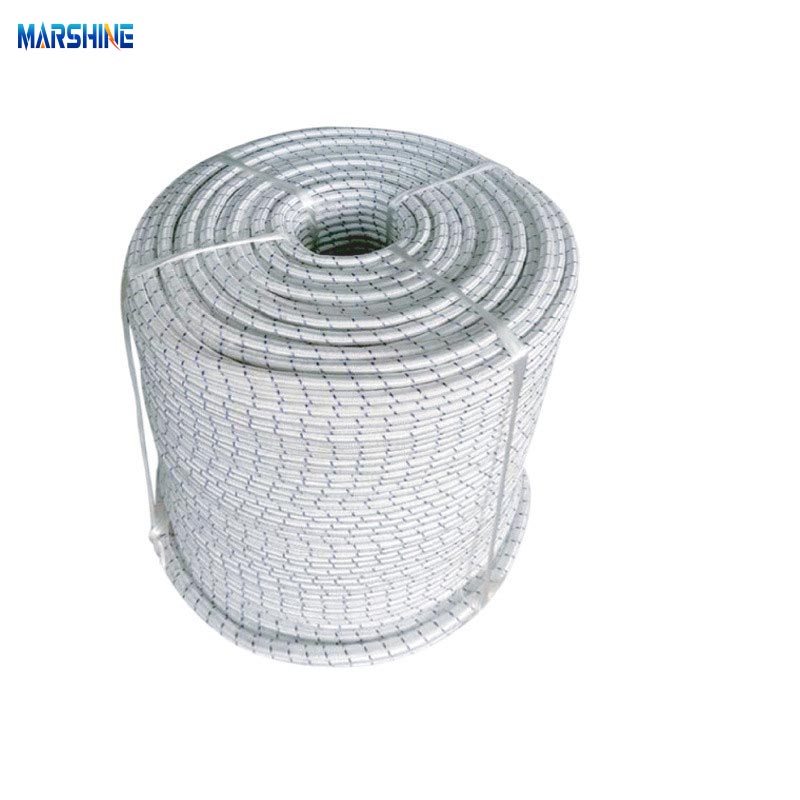
Choosing the right braided steel rope is not only about strength. For contractors, power line teams, lifting crews, and industrial buyers, the real challenge is finding a rope that can handle pulling tension, repeated bending, outdoor exposure, abrasion, and equipment compatibility without creating unnecessary safety risks or downtime.
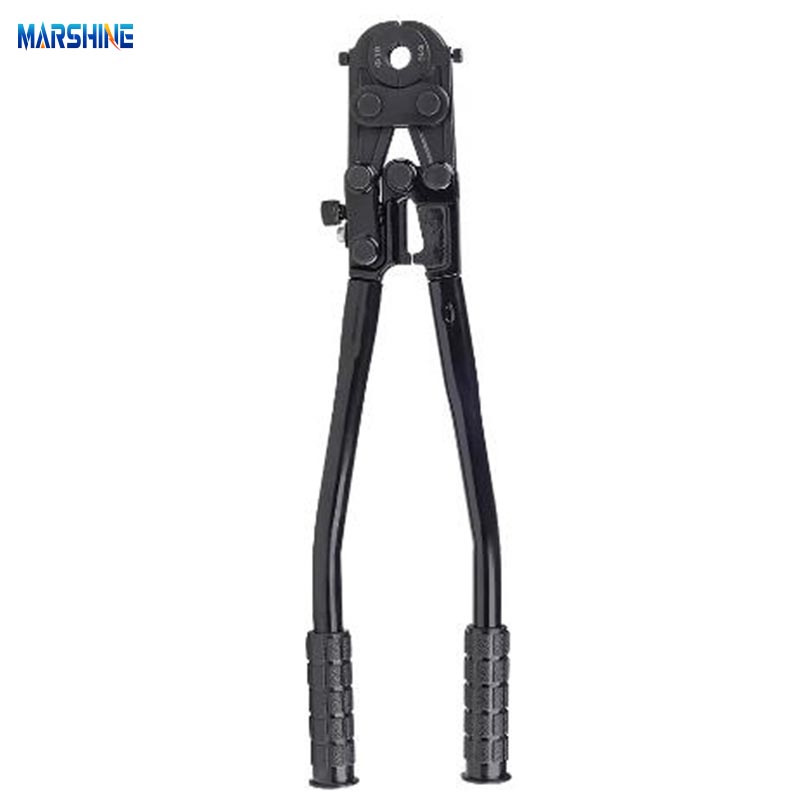
For heavy-duty field work, the best manual cable lug crimper is the one that delivers consistent compression, survives rough conditions, and remains practical when power-assisted tools are not an option. This article compares what actually matters on the job: crimping force, die range, handle leverage, tool durability, portability, and reliability in cold, heat, dust, and remote locations. You will see how different manual crimper designs perform for large-gauge cable terminations, where common failure points appear, and which features make a real difference for line crews, solar installers, and maintenance teams working far from the shop.
For manufacturers handling frequent wire terminations, ferrule quality depends on more than operator skill. An industrial cable pressing machine applies controlled, repeatable force that helps produce tighter crimps, fewer defects, and more reliable electrical connections across varying wire sizes. It also reduces the inconsistency, fatigue, and slower cycle times common with manual tools, especially in higher-volume environments. This article explains how these machines improve ferrule crimping in practical terms, including the impact on precision, throughput, changeover speed, and overall production efficiency, so you can better judge when this equipment is worth the investment.
Choosing a copper busbar punching tool is less about brand names than about how reliably it produces clean, accurate holes under real shop conditions. The right tool affects connection quality, installation speed, operator safety, and the amount of rework caused by burrs, misalignment, or weak hydraulic performance. This article explains the features that actually matter when comparing options, including punching force, capacity range, die accuracy, build durability, portability, and ease of use. By the end, you will know how to judge whether a tool is simply usable or genuinely worth the investment for consistent busbar fabrication.
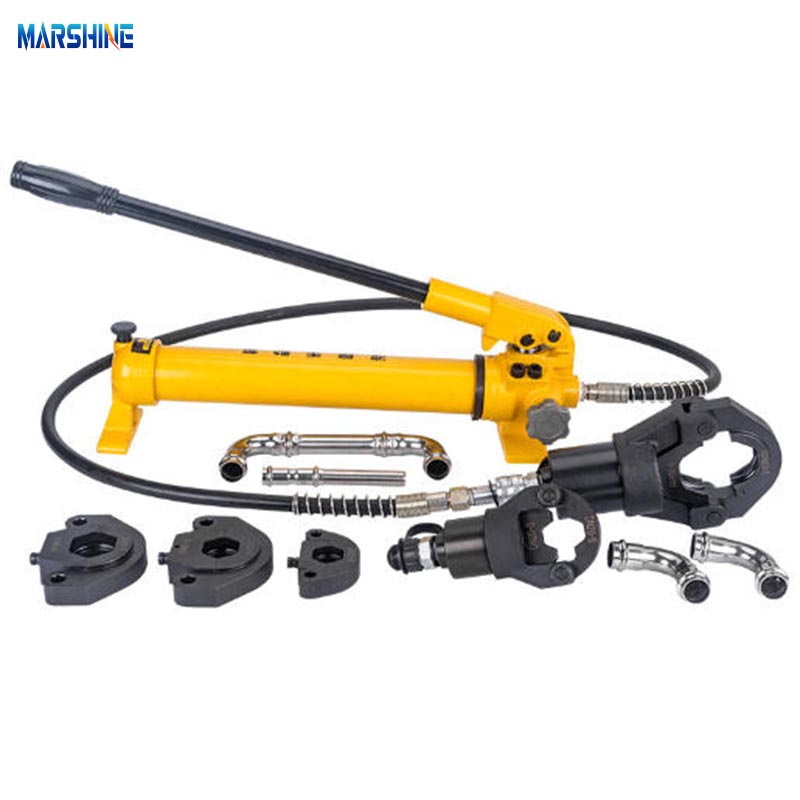
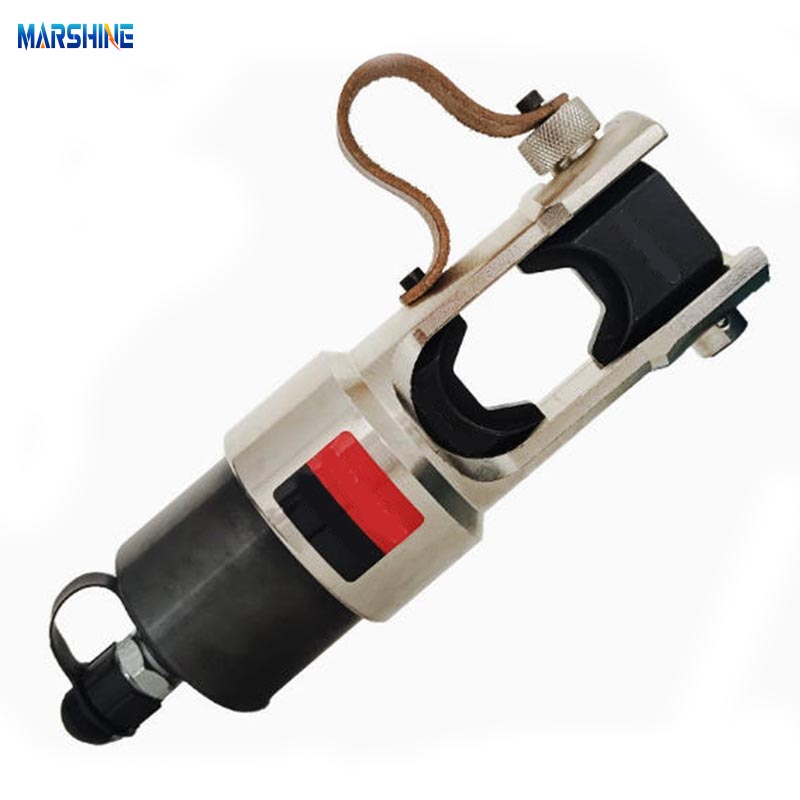
In demanding cable installation and repair work, the tool choice directly affects connection quality, crew efficiency, and access in tight spaces. A split hydraulic crimp tool is designed to deliver high crimping force through a compact head connected to a separate hydraulic pump, making it easier to handle than bulkier one-piece units. This article explains how that design improves maneuverability, reduces operator strain, and supports more consistent crimps on heavy-duty conductors. It also sets out the practical benefits for field work, especially where space is limited and reliable electrical joints are critical.
We use cookies to offer you a better browsing experience, analyze site traffic and personalize content. By using this site, you agree to our use of cookies. Privacy Policy
 21 2026-05
 20 2026-05
 20 2026-05
 19 2026-05
 18 2026-05
 15 2026-05