We are glad to share with you about the results of our work, company news, and give you timely developments and personnel appointment and removal conditions.
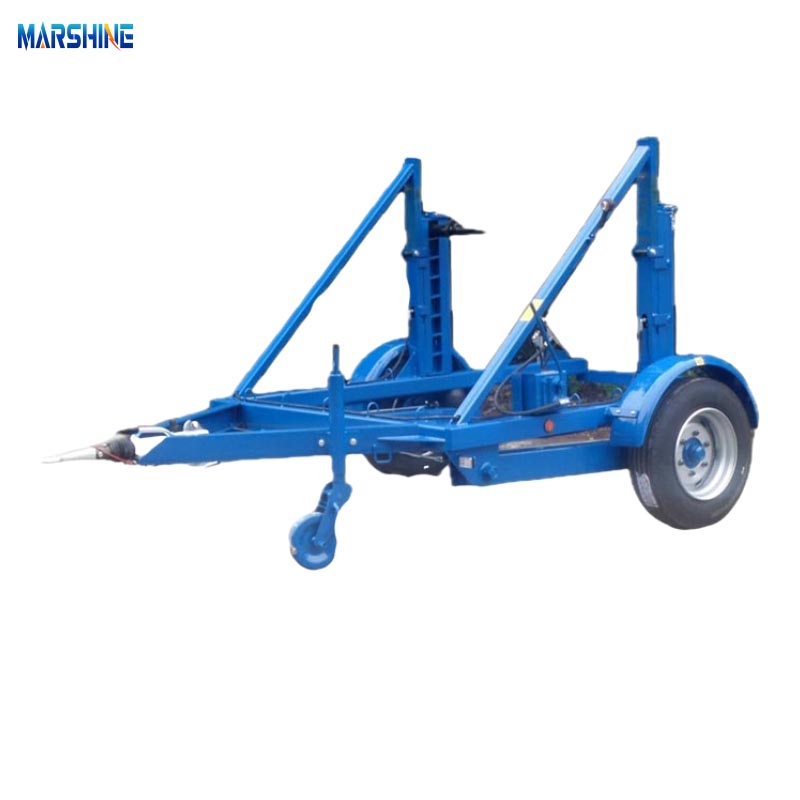
A cable installation project can lose hours—or create serious safety risks—when the wrong equipment is used to move heavy drums. A reel transport trailer gives crews a controlled way to load, tow, position, and in many cases pay out cable directly from the job site. But not every trailer is suited to every reel, road condition, or pulling method. Payload rating, drum diameter, hydraulic lifting, spindle braking, hitch compatibility, and local transport rules all affect performance. This guide explains how to compare trailer specifications and choose a model that supports safer handling, faster deployment, and more reliable underground or aerial cable installation.
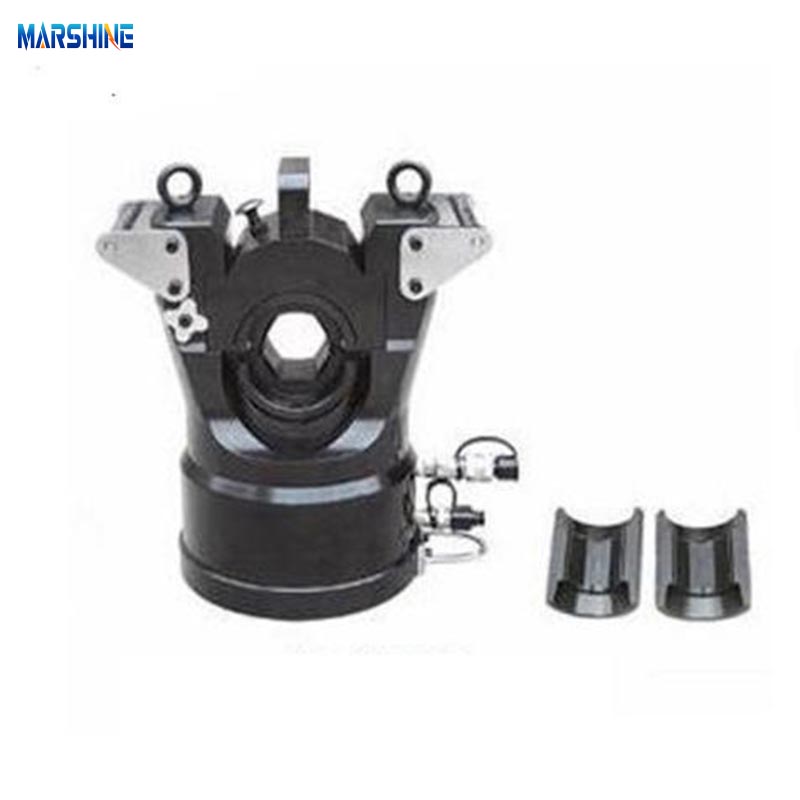
A failed splice on an overhead power line is more than an installation defect—it can compromise mechanical strength, electrical continuity, and crew safety. Choosing the right hydraulic conductor compression tool requires more than selecting the highest tonnage on a specification sheet. Crews must match output force, pump pressure, die geometry, conductor material, and sleeve requirements to the actual field application. For transmission projects, where tools may need 60 to 100 tons of force and reliable 700 bar hydraulic performance, small mismatches can lead to costly rework. This guide explains what to check before buying or deploying a conductor compression solution, from ACSR compatibility to die selection and operator safety.
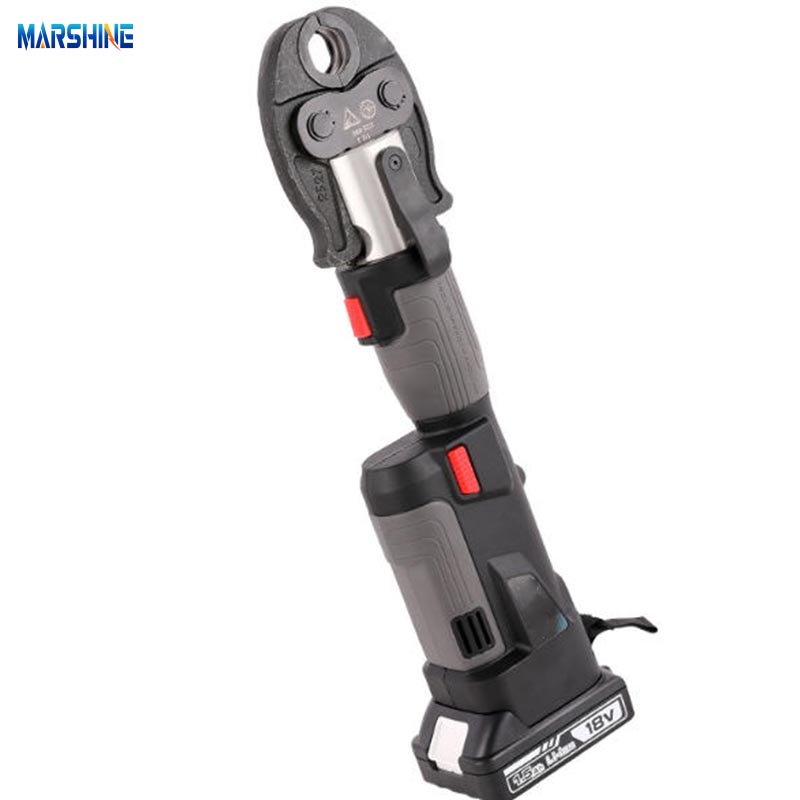
Reliable cable terminations depend on more than strength—they depend on repeatable force, proper alignment, and a tool that operators can use all day without fatigue. In electrical construction, cordless press tools are changing crimping by combining hydraulic output with battery-powered portability, making them especially valuable in panels, trenches, utility work, and high-volume installations. This article looks at how these tools compare with manual crimpers, what battery and power specifications really mean, and where cordless models may not be the best fit. For contractors evaluating hydraulic crimping tools from suppliers such as cable-winch.com, understanding runtime, ergonomics, capacity, and total ownership cost can help prevent poor connections, rework, and downtime.
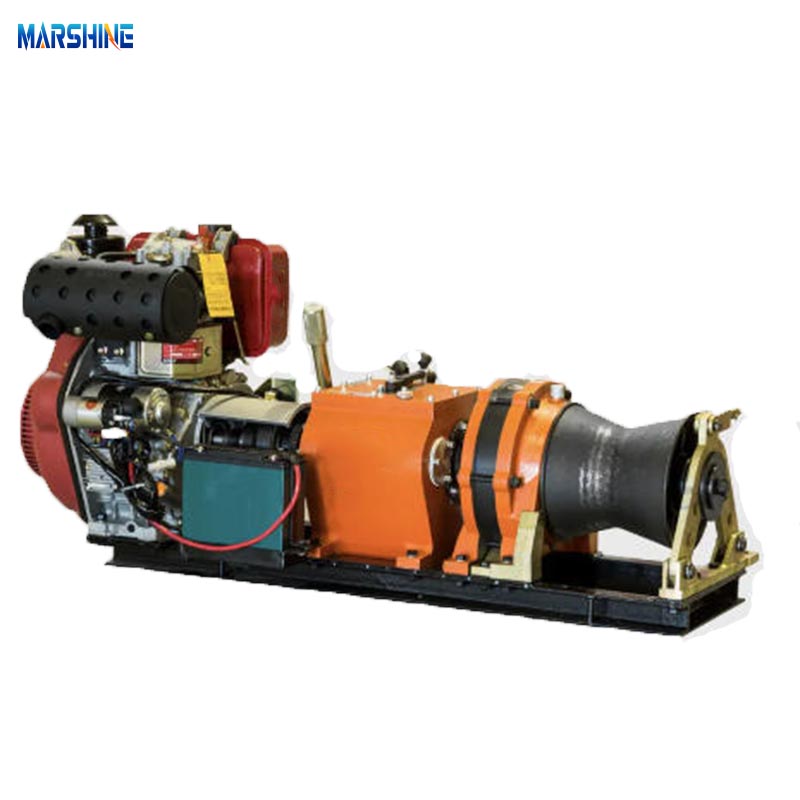
A cable pull can fail long before the winch reaches its rated limit—often because the tool was matched to the load, not the route. Long conduit runs, tight bends, elevation changes, cable stiffness, and jobsite access all influence whether a portable capstan system performs smoothly or creates costly delays. Choosing the right unit means balancing pulling force, line speed, rope compatibility, power source, anchoring, and environmental durability. This guide breaks down the practical specifications crews should evaluate before buying or deploying a winch, from torque and speed control to weather sealing and mounting options, so each pull is safer, cleaner, and better suited to real field conditions.
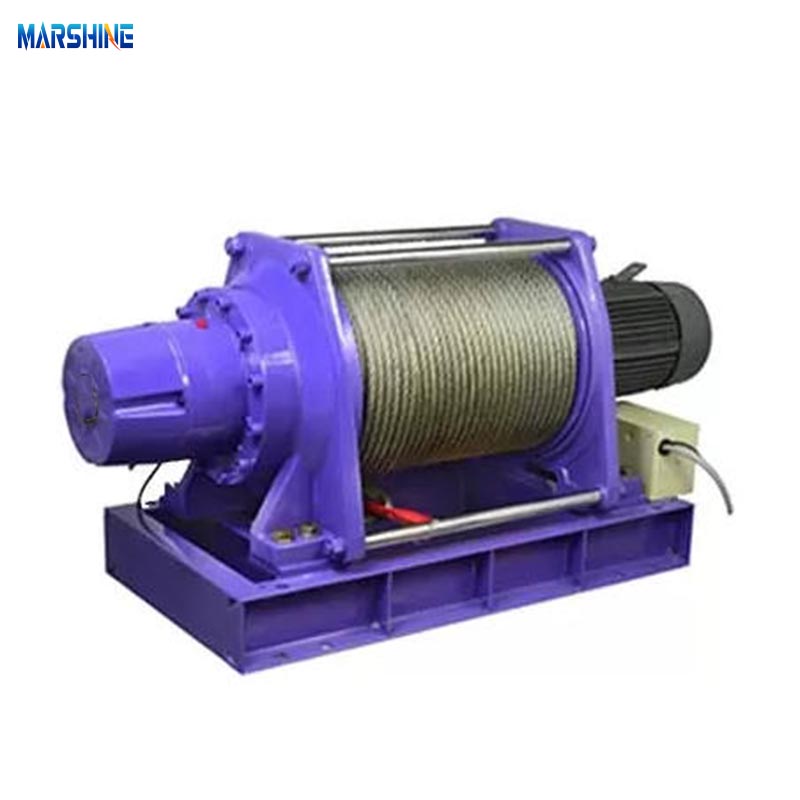
Cable pulling looks straightforward until friction, distance, conduit bends, and cable weight multiply into several tons of resistance. That is where a wire rope electric winch becomes a critical production and safety decision, not just another piece of site equipment. The right machine can shorten pulling time, reduce manual strain, and protect expensive power or communication cables from shock loading. The wrong one can overheat, stall, damage cable jackets, or create a serious rigging hazard. This guide explains the practical factors that matter most when specifying an electric winch for cable work, including capacity, line speed, motor duty cycle, wire rope strength, anchoring, and application fit.
Stringing a transmission conductor beside an energized circuit can create a risk crews may not see until it is too late: induced voltage. Under certain proximity, load, and weather conditions, an otherwise unenergized wire can accumulate hazardous electrical energy, threatening personnel, cable winches, pullers, and nearby equipment. Earthing stringing blocks are designed to reduce that risk by maintaining continuous grounding contact as the conductor moves through the sheave. This article explains how they work, where they fit in a safe stringing plan, which specifications matter, and why they should be viewed as a supplementary control—not a substitute for isolation, PPE, and disciplined transmission-line safety procedures.
We use cookies to offer you a better browsing experience, analyze site traffic and personalize content. By using this site, you agree to our use of cookies. Privacy Policy
 06 2026-07
 03 2026-07
 02 2026-07
 26 2026-06
 25 2026-06
 25 2026-06