We are glad to share with you about the results of our work, company news, and give you timely developments and personnel appointment and removal conditions.
In electrical panel production, busbar fabrication is often where speed, fit, and safety either come together—or break down. Manual cutting, drilling, and bending can leave rough edges, inaccurate holes, and inconsistent angles that slow assembly and increase rework. A hydraulic busbar machine changes that workflow by applying controlled force to cut, punch, and bend conductive bars with far greater repeatability. For switchgear builders and panel shops, the payoff can include shorter processing times, cleaner components, and safer handling of heavy copper or aluminum stock. This article explains the machine’s core functions, the specifications that matter, and the practical buying considerations that separate a useful investment from an expensive mismatch.
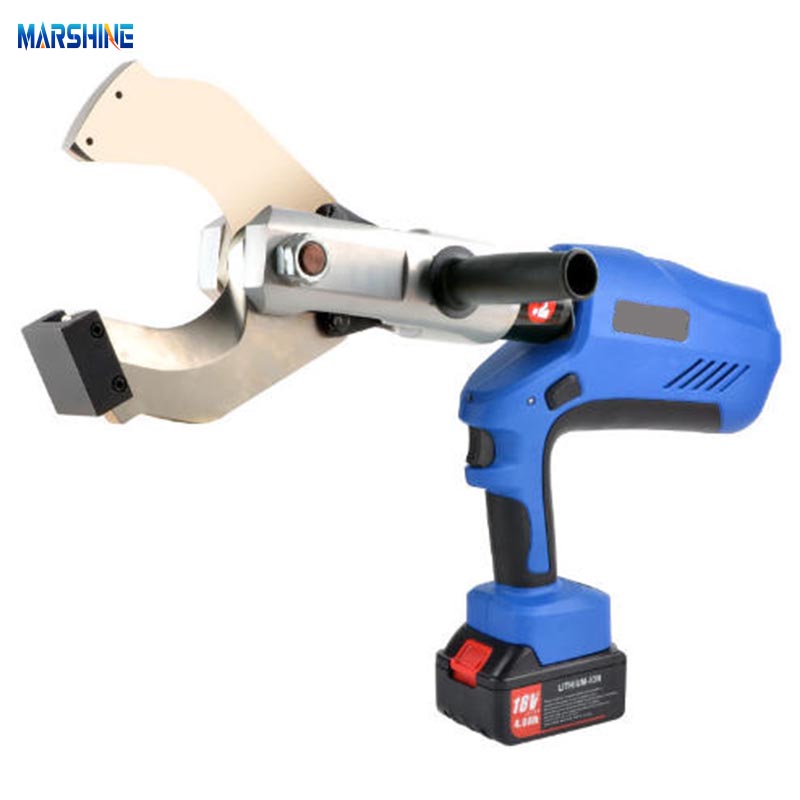
A poorly matched cutter can slow a crew, damage conductors, or create serious safety exposure on the grid. Modern cordless cable cutters give utility teams the mobility to work from bucket trucks, trenches, substations, and remote rights-of-way without hauling manual tools or external hydraulic pumps. But the best choice depends on more than maximum diameter. Buyers need to compare energized-work ratings, conductor materials, blade systems, cutting force, battery capacity, cycle time, and environmental limits. This guide explains how to evaluate cordless and battery-hydraulic cutters for copper, aluminum, ACSR, and armored cables so crews can make clean cuts, reduce fatigue, and maintain safer, more reliable power infrastructure.
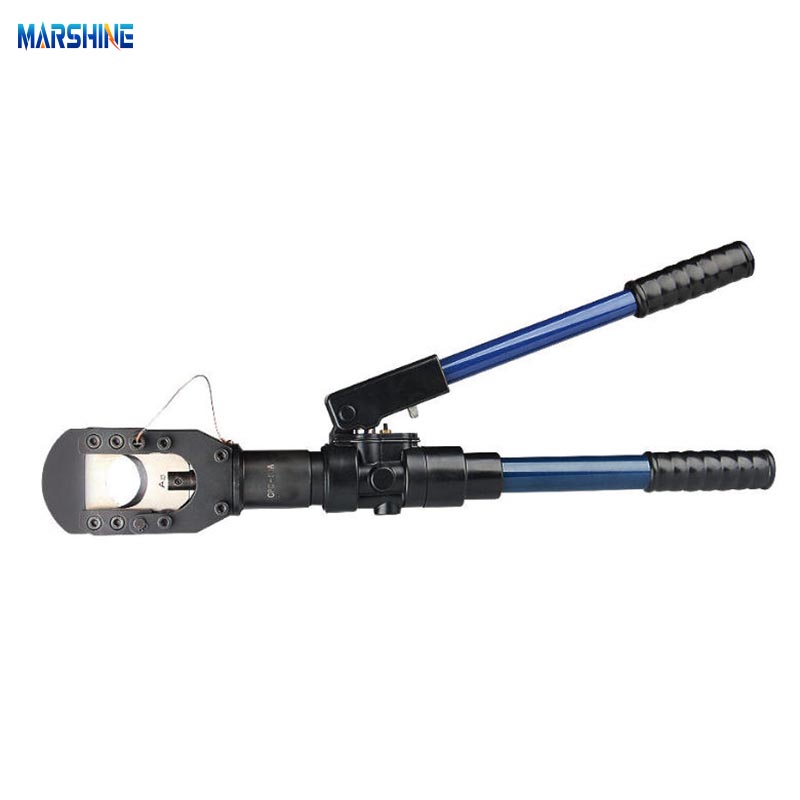
Heavy-duty cable work demands more than grip strength and a sharp edge. When crews face large copper, aluminum, or armored conductors, hydraulic cutting pliers turn controlled hand pumping into thousands of pounds of shearing force—often through systems operating up to about 10,000 psi. That power can improve cut quality, reduce fatigue, and speed up grid construction or maintenance tasks, but only when the tool is properly selected and used safely. This article explains how hydraulic force multiplication works, which components matter most, and what specifications buyers should compare before choosing a cutter for demanding field applications.
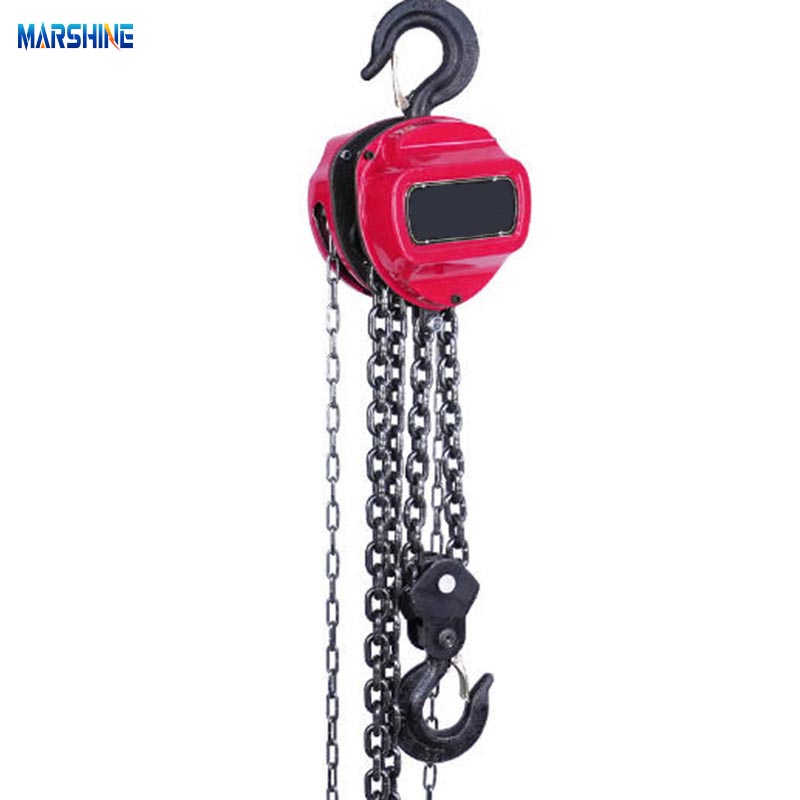
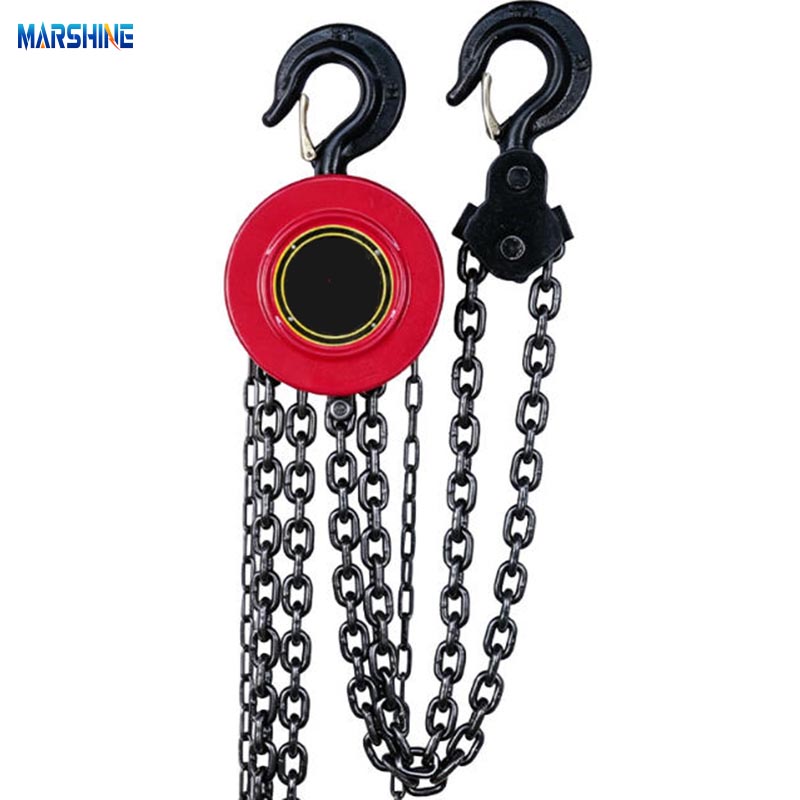
Field crews rarely have the luxury of easy access, flat ground, or unlimited manpower. In tower work, utility vaults, cable pulling, and wind maintenance, every kilogram of rigging gear affects fatigue, setup time, and safety margins. A well-specified lightweight chain hoist can cut dead weight by 30% to 50% versus standard steel units while still delivering controlled lifting and secure load holding. This guide explains how to compare capacity, materials, brake systems, standards, inspection needs, and supplier credentials so crews can choose a hoist that is portable enough for the job site and strong enough for the lift.
Cable pulling often comes down to control: too little tension slows the job, while too much can damage conductors, overload anchors, or create unsafe rigging conditions. A mechanical chain hoist gives crews a practical way to apply steady, incremental force when positioning heavy aerial or underground cables, especially where fine adjustment matters more than speed. Used correctly, it can reduce manual strain, shorten tensioning cycles, and limit expensive rework. This article explains where chain hoists fit in cable installation, what safety limits and specifications matter, and how they work alongside cable winches, stringing blocks, pulleys, and come-along clamps to create a safer, more efficient pulling setup.
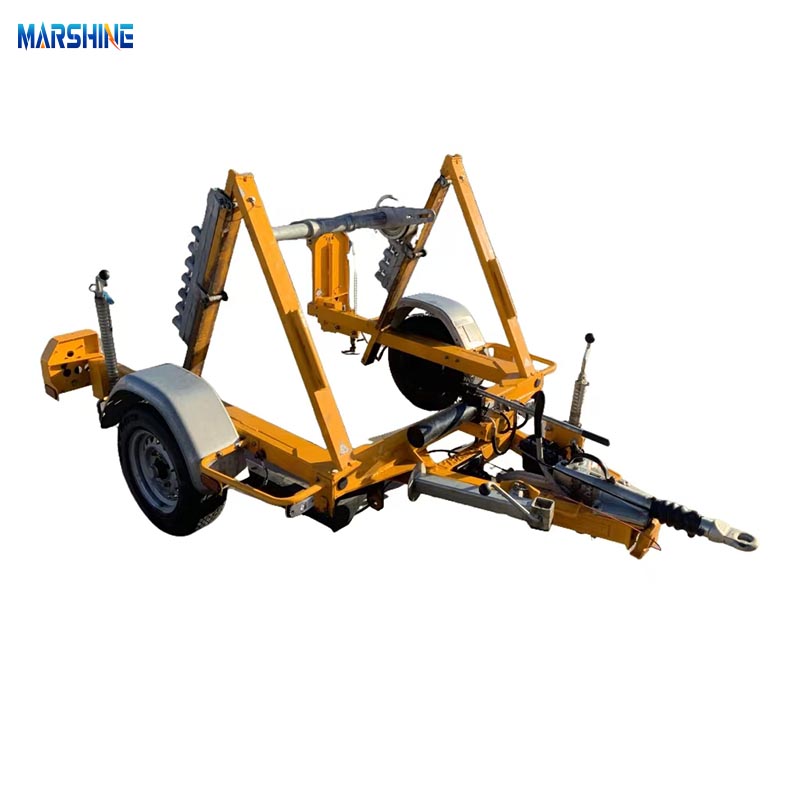
Heavy cable drums can turn a routine utility job into a safety and productivity problem if the transport equipment is undersized, unstable, or poorly matched to the terrain. A well-selected cable reel transporter protects valuable cable, reduces manual handling, and helps crews move from road travel to payout setup with fewer delays. The right choice depends on more than stated payload capacity: reel diameter, arbor size, axle rating, hydraulic lifting method, towing limits, and site conditions all matter. This guide explains how to assess those factors clearly, compare towable cable drum trailer designs, and avoid common selection mistakes that can lead to damaged reels, unsafe towing, or costly downtime.
We use cookies to offer you a better browsing experience, analyze site traffic and personalize content. By using this site, you agree to our use of cookies. Privacy Policy
 16 2026-07
  14 2026-07
  13 2026-07
  09 2026-07
  08 2026-07
  07 2026-07