We are glad to share with you about the results of our work, company news, and give you timely developments and personnel appointment and removal conditions.
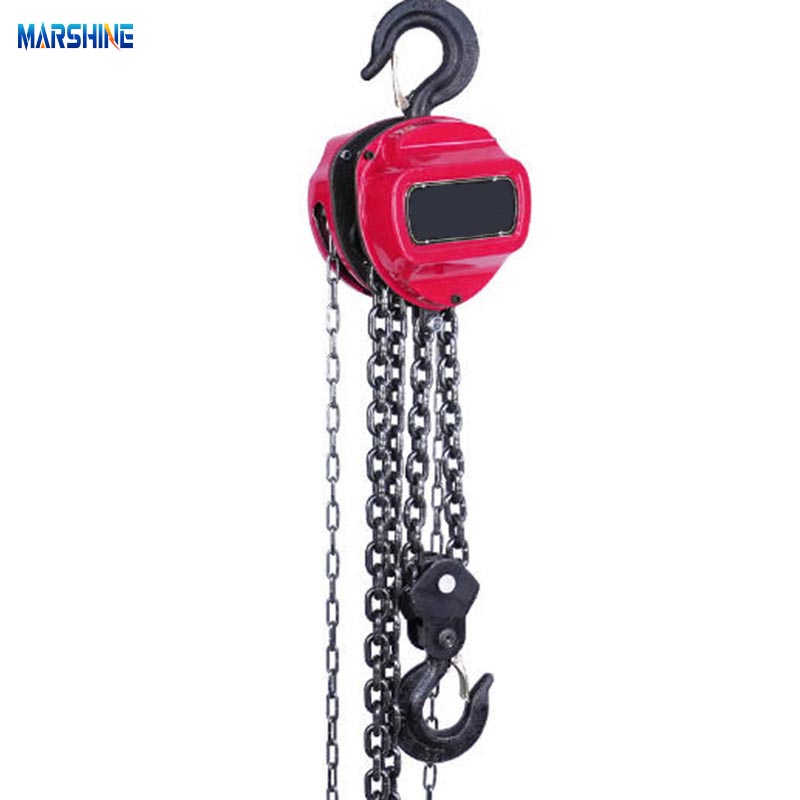
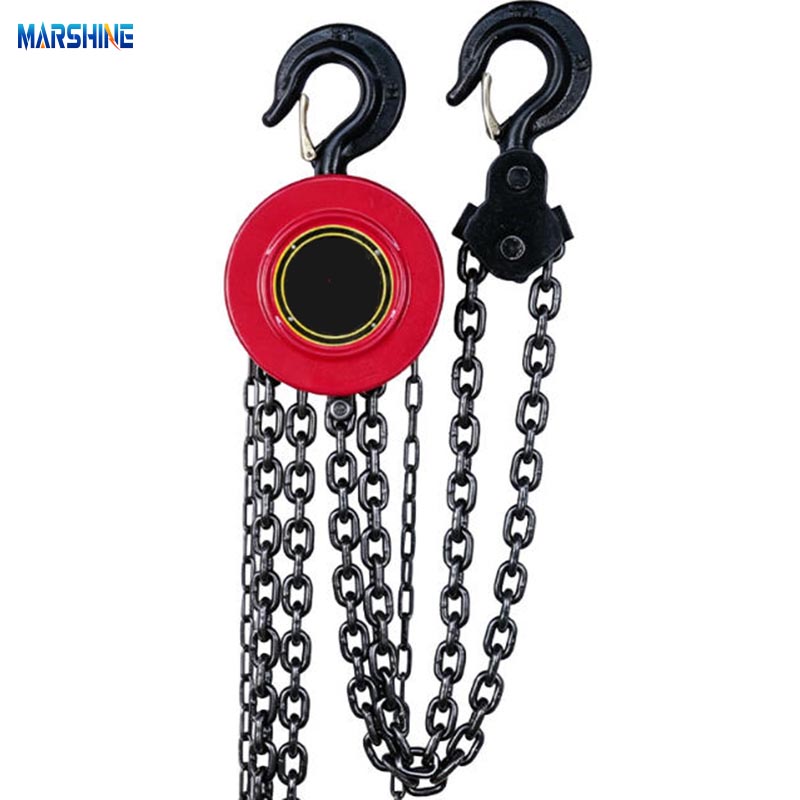
Field crews rarely have the luxury of easy access, flat ground, or unlimited manpower. In tower work, utility vaults, cable pulling, and wind maintenance, every kilogram of rigging gear affects fatigue, setup time, and safety margins. A well-specified lightweight chain hoist can cut dead weight by 30% to 50% versus standard steel units while still delivering controlled lifting and secure load holding. This guide explains how to compare capacity, materials, brake systems, standards, inspection needs, and supplier credentials so crews can choose a hoist that is portable enough for the job site and strong enough for the lift.
Cable pulling often comes down to control: too little tension slows the job, while too much can damage conductors, overload anchors, or create unsafe rigging conditions. A mechanical chain hoist gives crews a practical way to apply steady, incremental force when positioning heavy aerial or underground cables, especially where fine adjustment matters more than speed. Used correctly, it can reduce manual strain, shorten tensioning cycles, and limit expensive rework. This article explains where chain hoists fit in cable installation, what safety limits and specifications matter, and how they work alongside cable winches, stringing blocks, pulleys, and come-along clamps to create a safer, more efficient pulling setup.
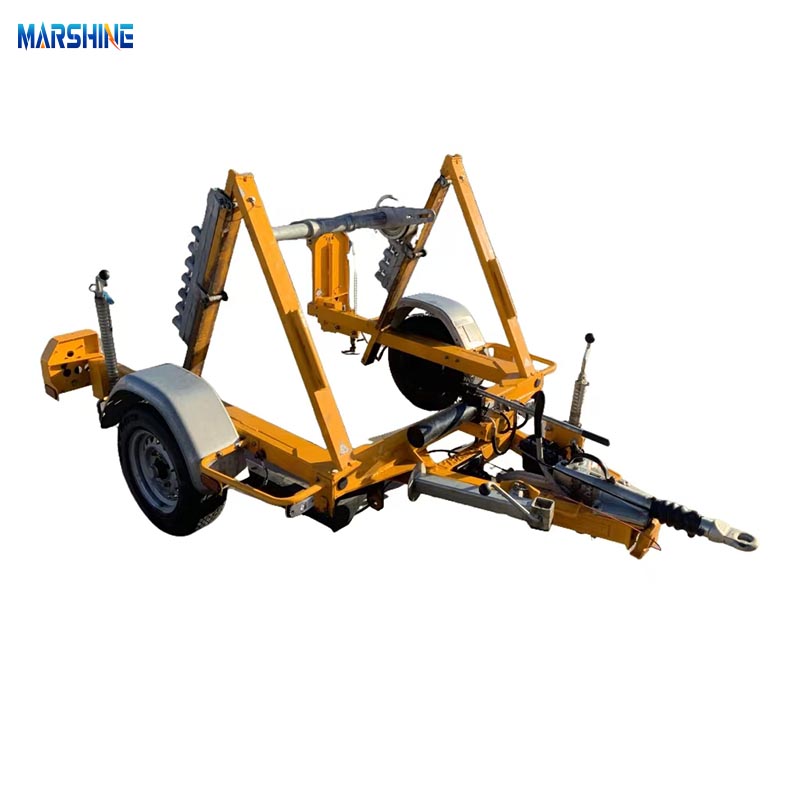
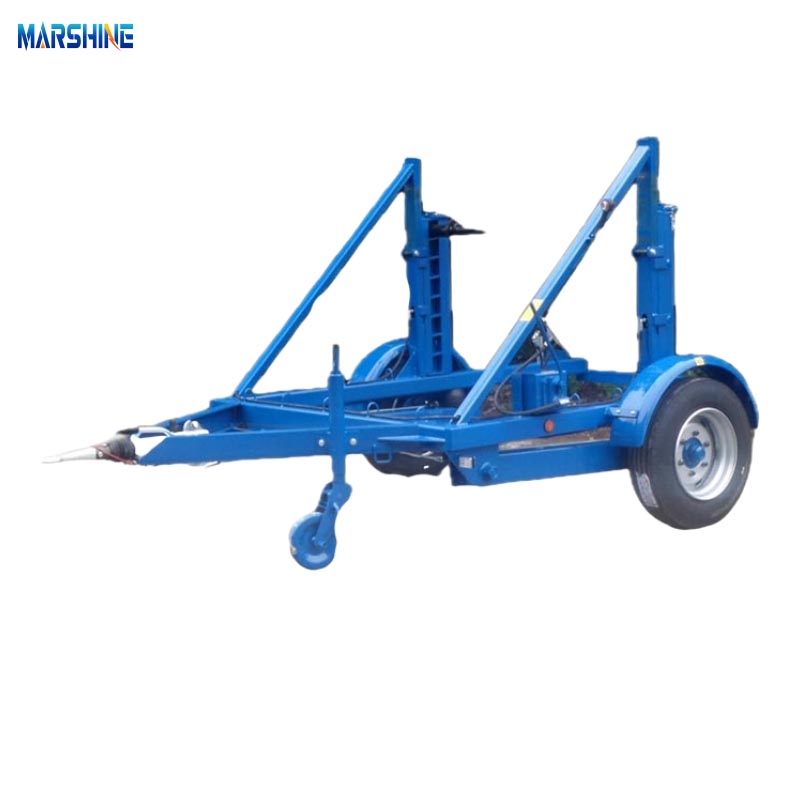
Heavy cable drums can turn a routine utility job into a safety and productivity problem if the transport equipment is undersized, unstable, or poorly matched to the terrain. A well-selected cable reel transporter protects valuable cable, reduces manual handling, and helps crews move from road travel to payout setup with fewer delays. The right choice depends on more than stated payload capacity: reel diameter, arbor size, axle rating, hydraulic lifting method, towing limits, and site conditions all matter. This guide explains how to assess those factors clearly, compare towable cable drum trailer designs, and avoid common selection mistakes that can lead to damaged reels, unsafe towing, or costly downtime.
A cable installation project can lose hours—or create serious safety risks—when the wrong equipment is used to move heavy drums. A reel transport trailer gives crews a controlled way to load, tow, position, and in many cases pay out cable directly from the job site. But not every trailer is suited to every reel, road condition, or pulling method. Payload rating, drum diameter, hydraulic lifting, spindle braking, hitch compatibility, and local transport rules all affect performance. This guide explains how to compare trailer specifications and choose a model that supports safer handling, faster deployment, and more reliable underground or aerial cable installation.
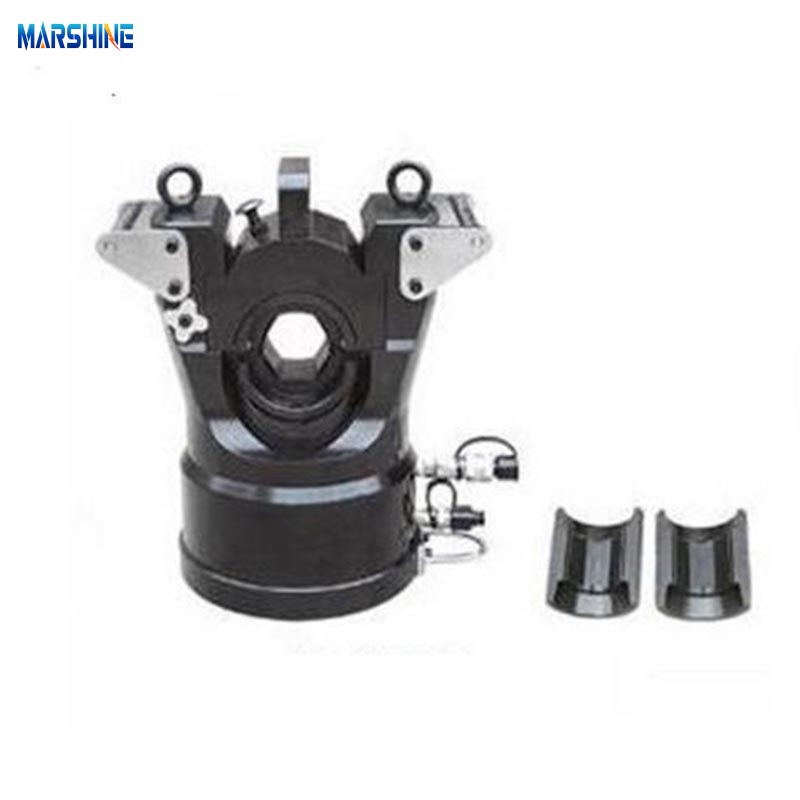
A failed splice on an overhead power line is more than an installation defect—it can compromise mechanical strength, electrical continuity, and crew safety. Choosing the right hydraulic conductor compression tool requires more than selecting the highest tonnage on a specification sheet. Crews must match output force, pump pressure, die geometry, conductor material, and sleeve requirements to the actual field application. For transmission projects, where tools may need 60 to 100 tons of force and reliable 700 bar hydraulic performance, small mismatches can lead to costly rework. This guide explains what to check before buying or deploying a conductor compression solution, from ACSR compatibility to die selection and operator safety.
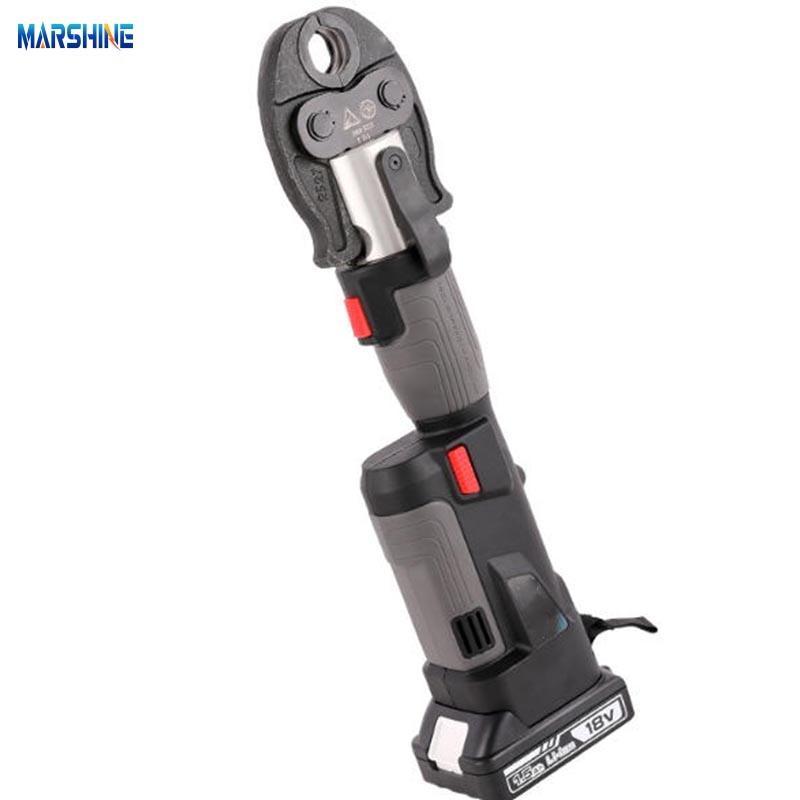
Reliable cable terminations depend on more than strength—they depend on repeatable force, proper alignment, and a tool that operators can use all day without fatigue. In electrical construction, cordless press tools are changing crimping by combining hydraulic output with battery-powered portability, making them especially valuable in panels, trenches, utility work, and high-volume installations. This article looks at how these tools compare with manual crimpers, what battery and power specifications really mean, and where cordless models may not be the best fit. For contractors evaluating hydraulic crimping tools from suppliers such as cable-winch.com, understanding runtime, ergonomics, capacity, and total ownership cost can help prevent poor connections, rework, and downtime.
We use cookies to offer you a better browsing experience, analyze site traffic and personalize content. By using this site, you agree to our use of cookies.Privacy Policy
 09 2026-07
  08 2026-07
  07 2026-07
  06 2026-07
  03 2026-07
  02 2026-07