We are glad to share with you about the results of our work, company news, and give you timely developments and personnel appointment and removal conditions.
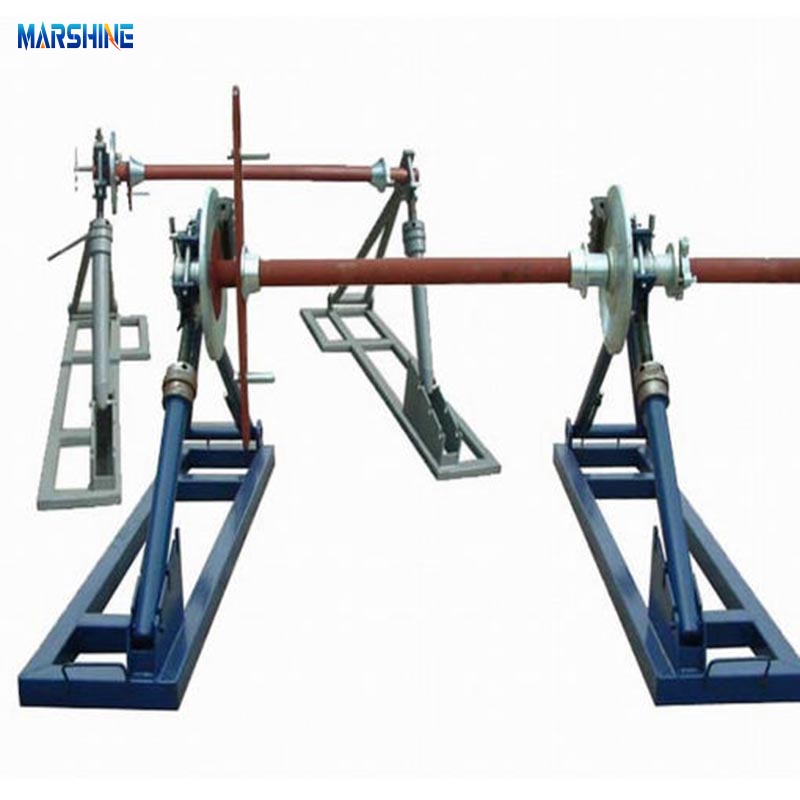
Heavy cable reels can turn a routine line construction task into a high-risk bottleneck. Manual cranking, improvised lifting methods, and undersized supports increase fatigue, slow setup, and expose crews to avoidable injury. Hydraulic cable payoff equipment changes that workflow by using controlled hydraulic lift power, matched stands, and heavy-duty spindles to raise and support loaded drums more efficiently. This article explains how these systems improve reel handling, what specifications matter most, and why details such as load rating, reel diameter, spindle fit, frame geometry, and cold-weather hydraulic performance should guide every selection. For utility and grid crews, the right payoff setup is not just convenient—it is a measurable safety and productivity upgrade.
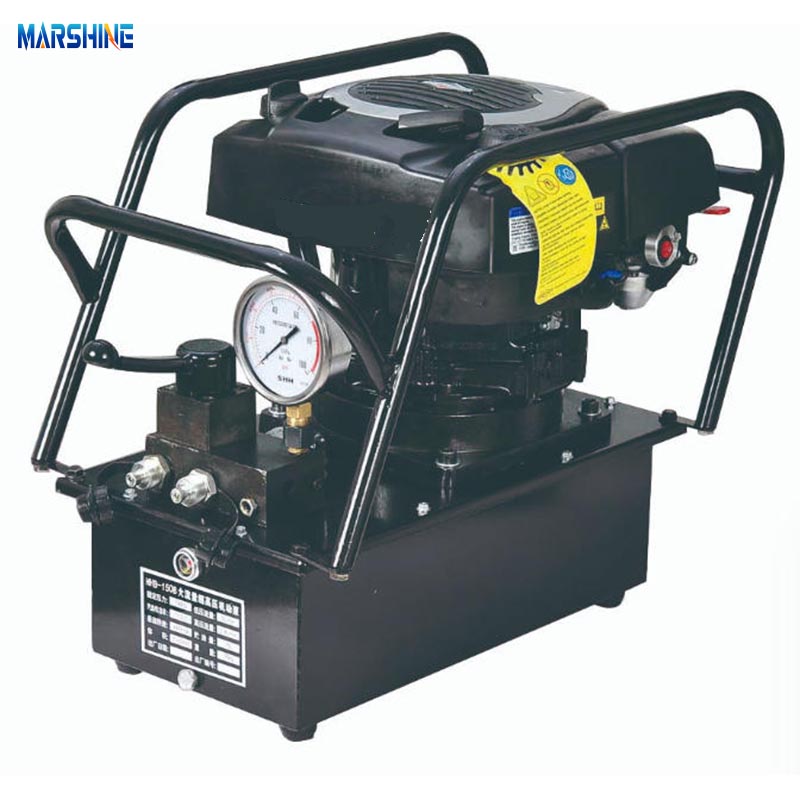
A petrol-driven hydraulic power source can make cable installation faster, safer, and more practical when crews are working far from reliable electricity. But selecting the right unit is not just about engine size; it requires matching hydraulic flow, pressure, duty cycle, cooling capacity, and site conditions to the actual pulling equipment. A unit that performs well on a short roadside job may struggle during a sustained transmission pull, at high altitude, or in a dusty trench. This guide explains how to evaluate mobility, environmental limits, safety risks, and compatibility so procurement teams and field supervisors can choose equipment that delivers dependable performance without creating avoidable downtime or hazards.
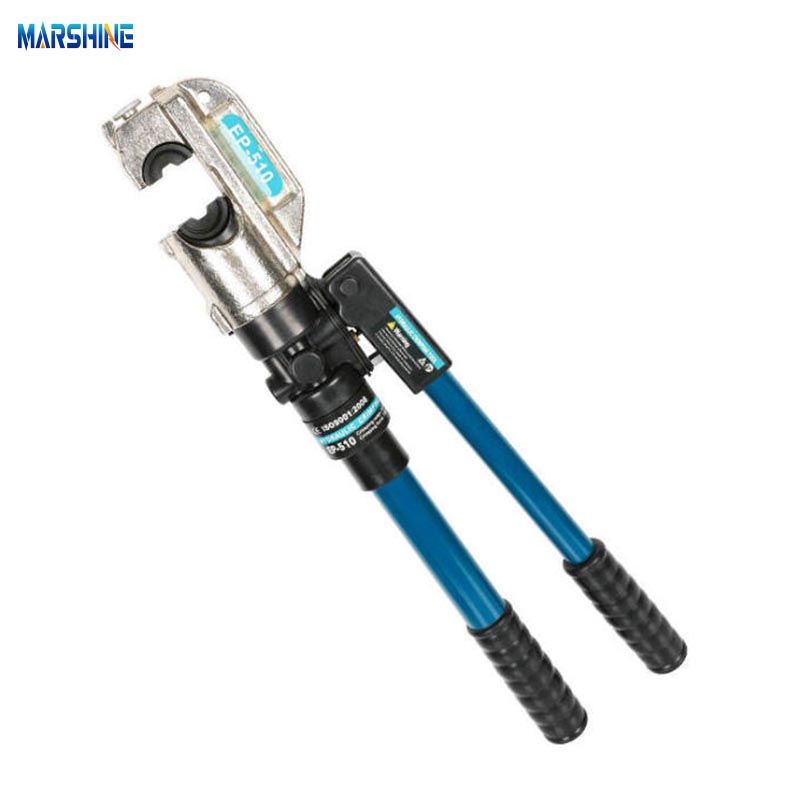
A cable termination can look clean and still fail if the crimper, die, lug, and cable specification do not match. For heavy-duty power, utility, and industrial cable work, a manual hydraulic crimping tool offers a practical middle ground between simple lever tools and costly battery-powered units. It can deliver high compression force without external power, but the right choice depends on cable size, terminal material, die profile, working access, and operator workload. This guide explains how to evaluate capacity ranges such as 16mm² to 400mm², compare die systems, and choose features that help produce consistent, low-resistance, mechanically secure crimps in demanding field conditions.
A cable reel that weighs 10,000 to 40,000 lbs leaves little room for guesswork. The right hydraulic reel support setup helps crews lift, stabilize, and pay out heavy cable safely while reducing downtime and material damage. But capacity alone is not enough; buyers also need to verify reel diameter, spindle compatibility, hydraulic lift control, maintenance demands, and jobsite conditions such as mud, gravel, or uneven grades. This guide explains the practical selection factors that matter most for power, telecom, and utility installation teams, including when hydraulic stands outperform manual options and how to match equipment with stringing blocks for smoother field operations.
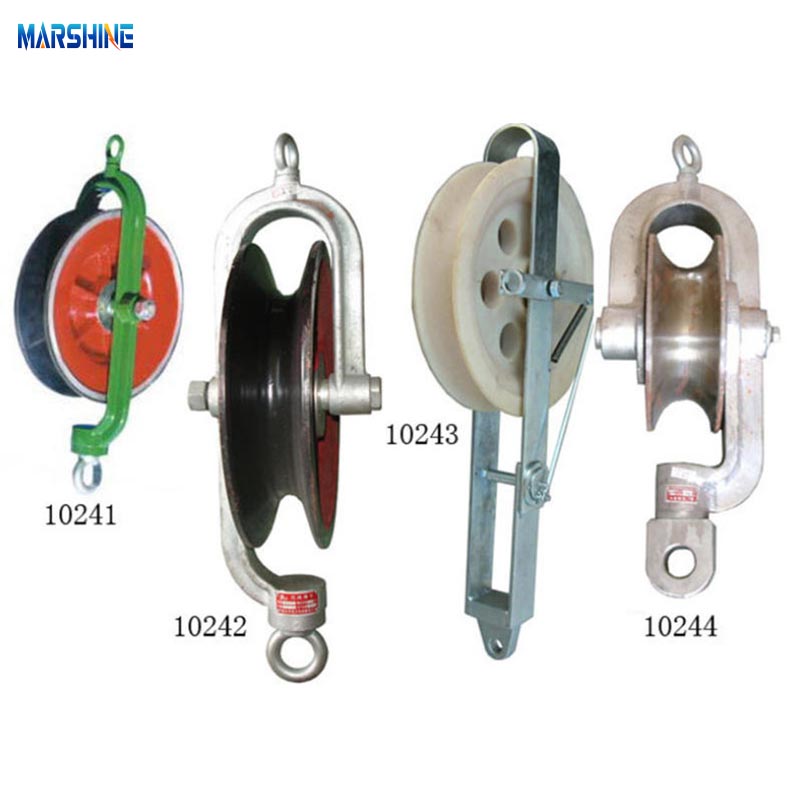
A cable stringing block may look like a simple wheel and frame, but on an overhead line project it becomes a critical load-bearing control point. The wrong choice can damage conductors, increase pulling tension, delay crews, or create unsafe tower conditions. This guide explains how to match a block to real field requirements, including working load limit, design factor, sheave groove size, conductor type, span conditions, bearing protection, and wheel material. Whether you are planning a light distribution pull or a bundled transmission installation, understanding these specifications helps you choose equipment that runs smoothly, protects the line, and supports safer, more efficient construction.
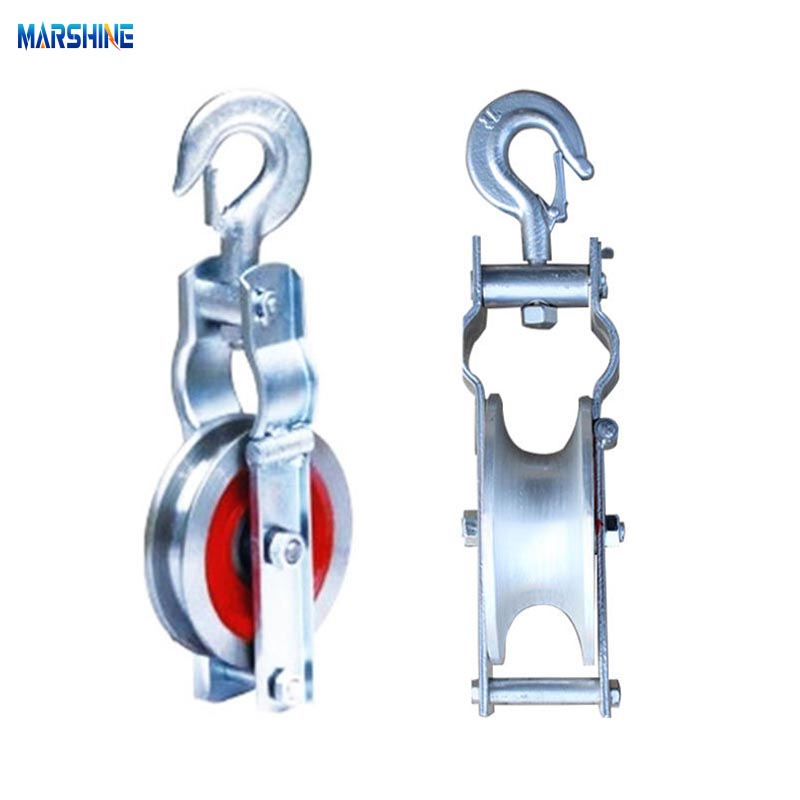
A pulley that looks adequate on paper can still become the weak point in a cable stringing job if its load rating, groove shape, or sheave material does not match the conductor and terrain. In overhead line construction, small specification errors can lead to higher friction, damaged jackets, excessive bending stress, or unsafe pulling conditions. This guide explains how to evaluate single conductor pulley options using practical criteria: conductor size, span length, expected tension, jobsite environment, safe working load, and sheave construction. It also compares common aluminum and MC nylon designs so crews can choose equipment that supports faster rigging, smoother pulls, and better conductor protection.
We use cookies to offer you a better browsing experience, analyze site traffic and personalize content. By using this site, you agree to our use of cookies. Privacy Policy
 10 2026-08
 07 2026-08
 06 2026-08
 05 2026-08
 05 2026-08
 04 2026-08