We are glad to share with you about the results of our work, company news, and give you timely developments and personnel appointment and removal conditions.
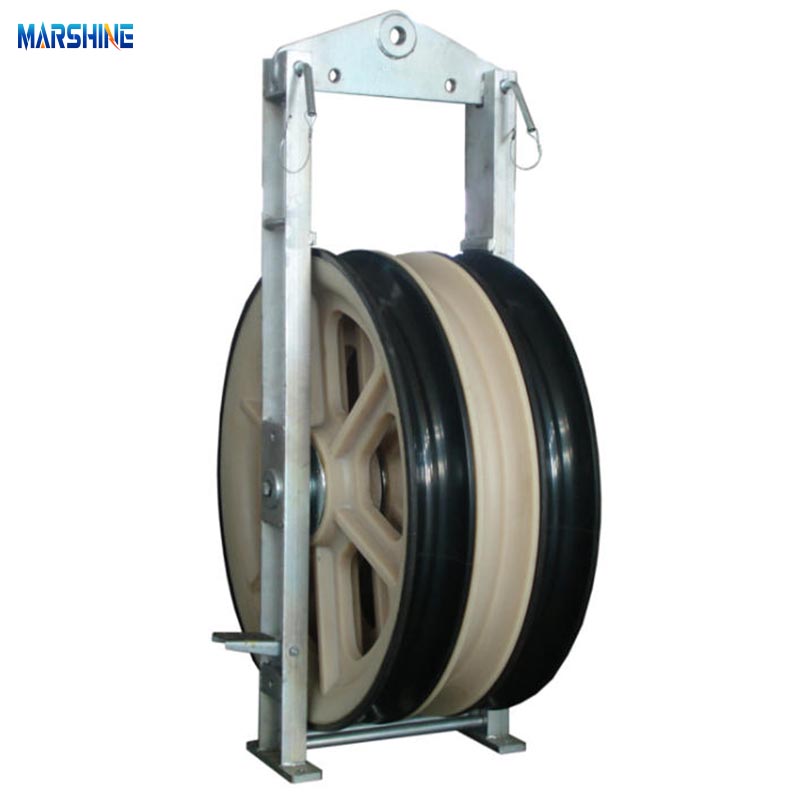
Every successful overhead line installation depends on controlling tension, friction, and alignment before a conductor ever reaches its final sag. An overhead wire pulley gives crews that control by supporting heavy cable spans, guiding conductors through towers, and reducing damaging drag during stringing. In transmission, distribution, and fiber-optic projects, small setup errors can lead to sheath abrasion, excessive winch load, or costly rework. This article explains how pulley design, load rating, groove geometry, bearing quality, and fleet angle management work together to improve cable suspension. It also highlights practical selection points contractors can use when matching stringing blocks, conductor support pulleys, winches, and tensioners to real field conditions.
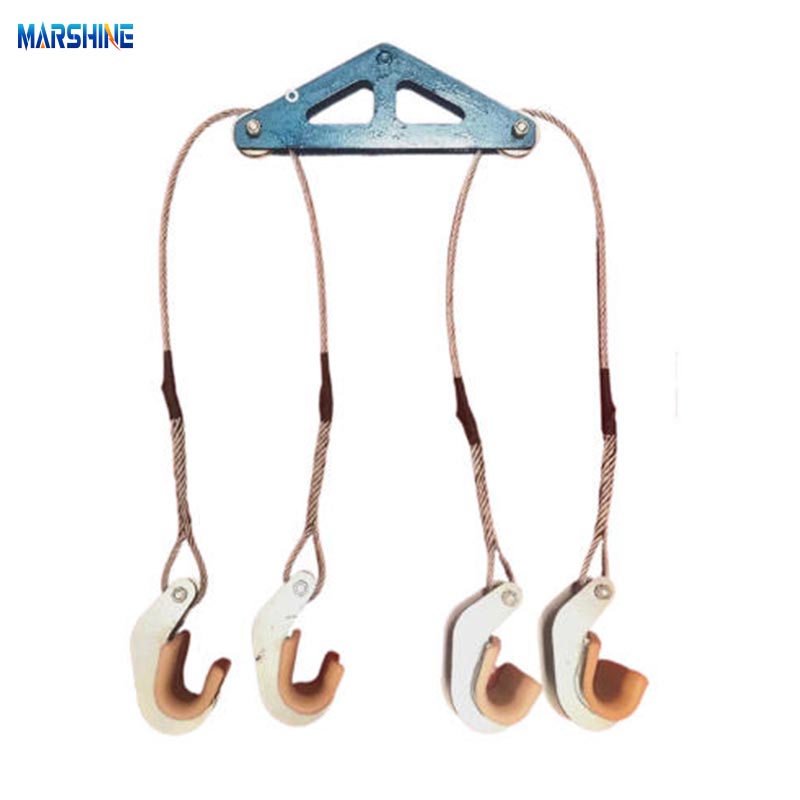
Twin-bundle transmission work leaves little margin for error: two energized-route conductors, heavy mechanical loads, and strict spacing requirements all have to be controlled at once. A properly selected conductor lifter gives line crews a defined load path from the hoist to a rigid yoke and into two secured clamps, helping prevent slippage, abrasion, and sudden imbalance. This article explains how twin-bundle lifters improve safety on 220kV to 500kV lines, what structural features matter most, and how Working Load Limit, conductor type, bundle geometry, and standards such as ASME B30.20 or IEC 61284 should guide selection.
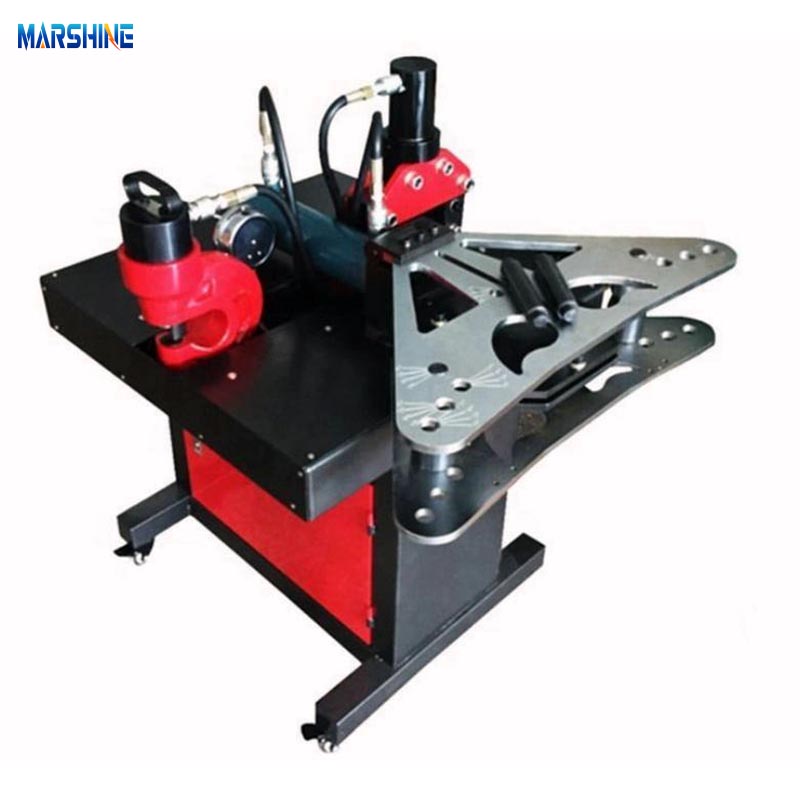
Copper and aluminum busbars are costly to waste, and every extra setup, measurement, or material move adds hidden expense to a shop’s margin. A dedicated hydraulic busbar fabrication machine can shift production from fragmented manual steps to a faster, more controlled workflow by combining cutting, punching, and bending in one footprint. For facilities handling recurring electrical panel, switchgear, or power distribution work, the cost impact often appears in labor hours, scrap reduction, cycle consistency, and safer handling of heavy stock. This article breaks down the operating specs, workflow changes, and ownership costs that determine whether the upgrade can deliver measurable ROI.
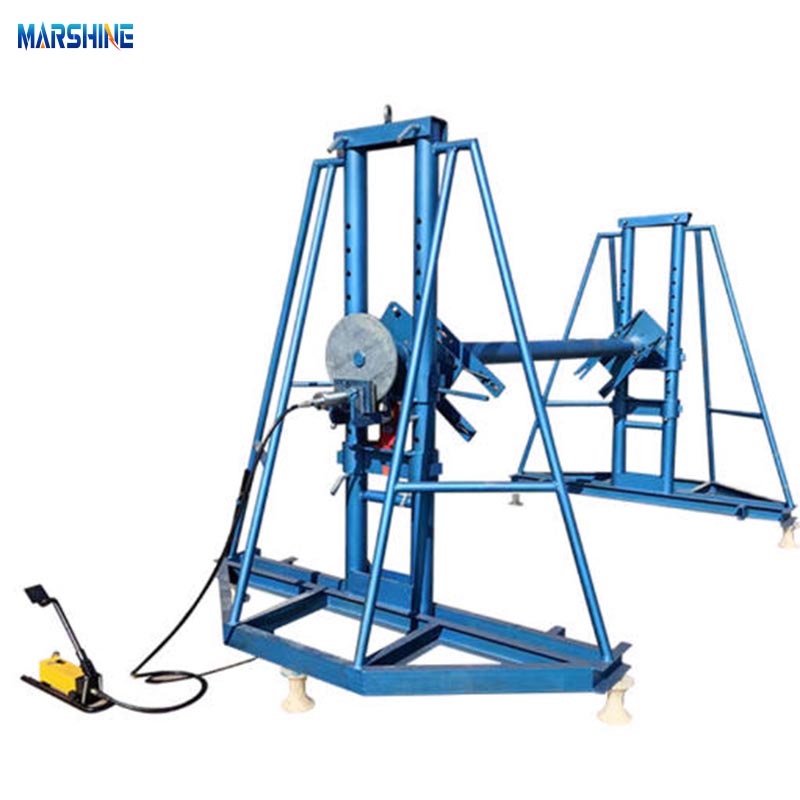
A heavy cable reel can weigh several tons, and once it starts turning under pull tension, small specification mistakes become serious safety risks. Hydraulic reel support equipment helps crews lift, position, and control large drums with far less manual strain, but the right setup depends on more than headline capacity. Buyers need to compare load ratings, drum diameter range, spindle compatibility, braking method, and ground stability before committing to a model. This guide explains the key selection factors for contractors, utility crews, and procurement teams, including when a dedicated hydraulic solution makes more sense than screw jack stands, reel trailers, or short-term rental equipment.
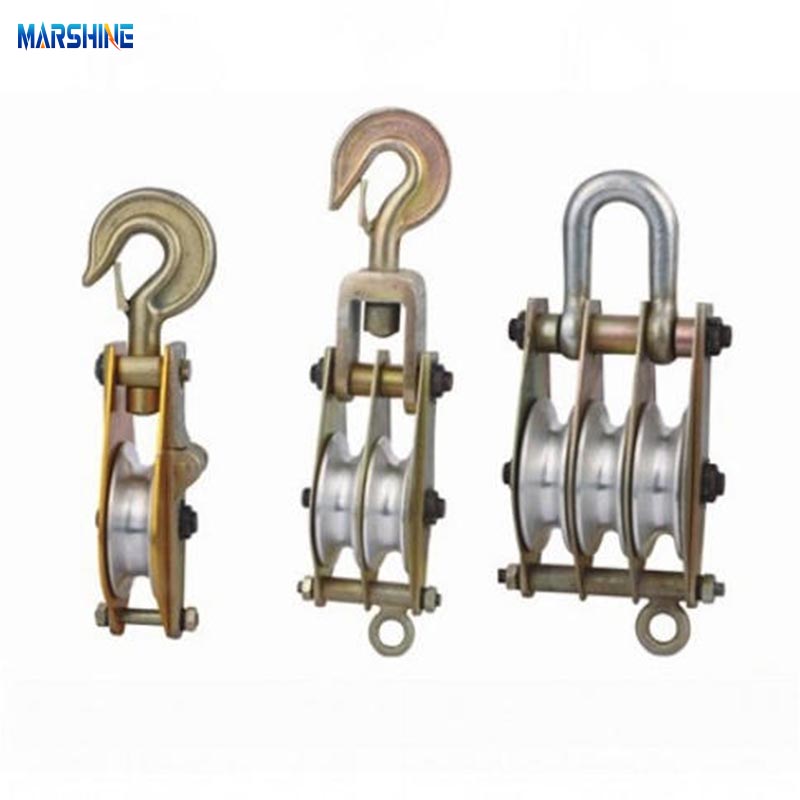
A wire rope pull can shift from routine to hazardous in seconds if the block, rope, or winch is mismatched. The right lifting block does more than redirect force; it protects the rope from excessive bending, controls friction and heat, and helps prevent dangerous snapback during high-tension work. This article explains the safety basics behind selecting and using lifting blocks in cable pulling systems, including Working Load Limit, common 5:1 design-factor expectations, and the widely used 15:1 D:d ratio guideline. It also clarifies why pulling blocks and overhead lifting blocks are not automatically interchangeable, and which design features help crews reduce risk on demanding utility and industrial jobs.
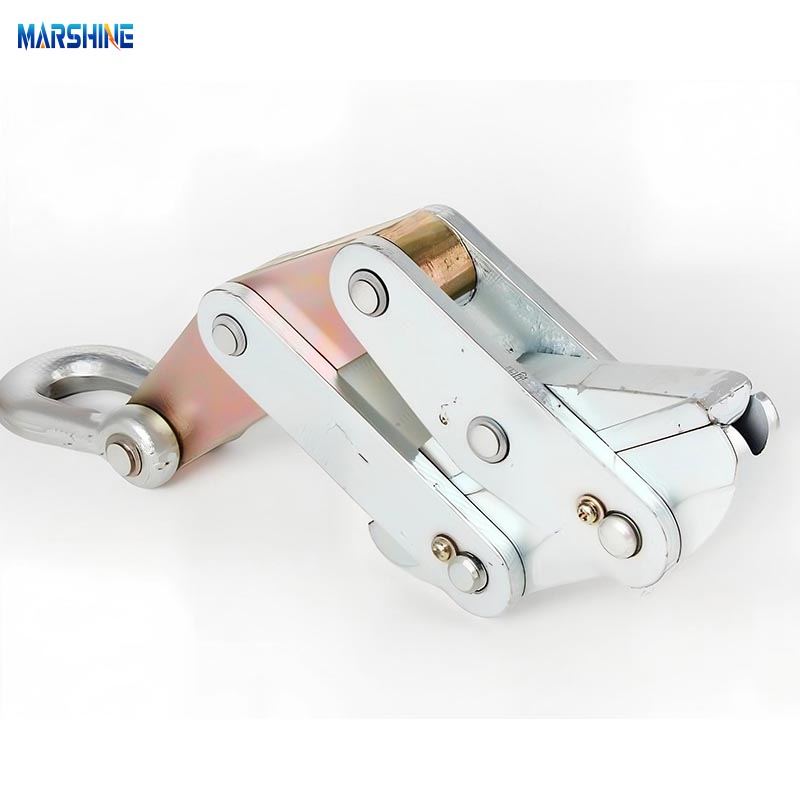
Aluminum conductors are efficient and widely used, but they are also less forgiving during pulling and tensioning work. A clamp that performs well on steel guy wire can leave permanent scores, create strand separation, or allow slippage when used on softer aluminum. Selecting the right conductor come along means looking beyond basic size charts and checking conductor code, alloy temper, jaw profile, and Safe Working Load. This guide explains the practical differences between aluminum-rated grips and generic clamps, highlights the specifications that matter most, and helps crews reduce installation damage while maintaining safe, predictable pulling performance.
We use cookies to offer you a better browsing experience, analyze site traffic and personalize content. By using this site, you agree to our use of cookies. Privacy Policy
 19 2026-08
  18 2026-08
  17 2026-08
  14 2026-08
  14 2026-08
  14 2026-08