We are glad to share with you about the results of our work, company news, and give you timely developments and personnel appointment and removal conditions.
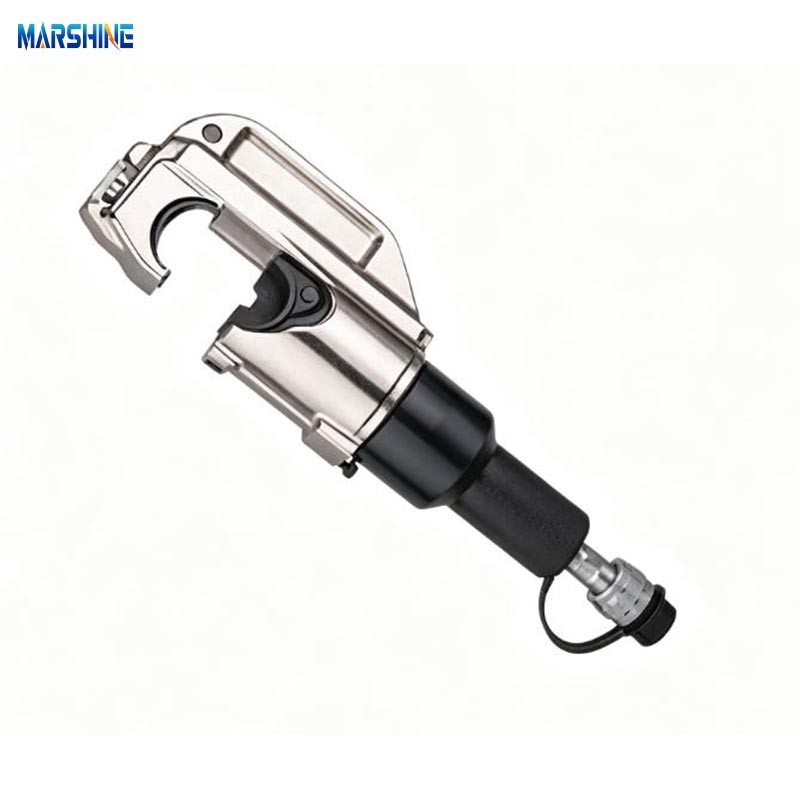
A power cable crimp is only as reliable as the tool, die, and hydraulic setup behind it. In high-load electrical work, a poor match can create micro-voids, excess resistance, overheating, and costly field failures. A separate crimping head gives crews valuable flexibility because the pump can remain on the ground while the lighter head is positioned in a trench, cabinet, or aerial bucket. But choosing the right head requires more than checking tonnage. Cable size, copper or aluminum conductors, lug standards, die profiles, pump pressure, couplers, hose length, and working environment all affect safety and performance. This guide explains what to verify before putting a crimping head into service.
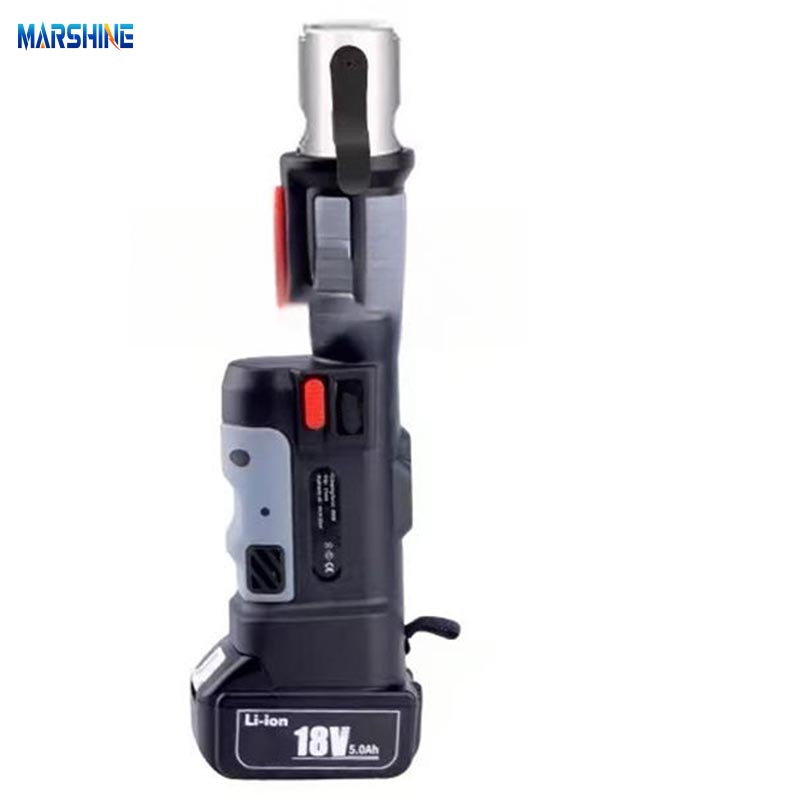
Stainless steel press systems leave little room for guesswork: the wrong tool can mean under-crimped fittings, damaged tubing, or leaks in high-value installations. A modern cordless hydraulic crimper gives contractors the mobility to work in ceilings, plant rooms, and dense pipe runs while delivering the controlled force stainless steel demands. But battery voltage alone is not enough to judge performance. Buyers need to compare certified fitting compatibility, pressing force, jaw profiles, cycle time, battery capacity, and inspection requirements. This guide explains the practical specifications that matter most so you can select a tool that is fast, compliant, and reliable on demanding commercial and industrial pipework.
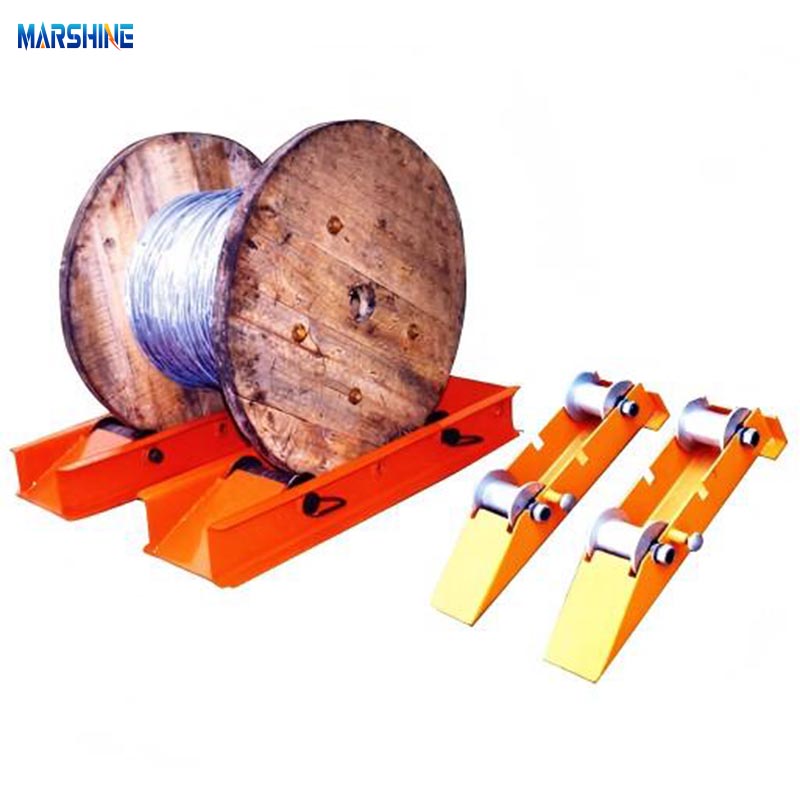
Telecom cable installation leaves little room for unstable equipment or inconsistent pay-out. A heavy reel of fiber-optic or copper cable can quickly become a source of tension spikes, jacket damage, crew strain, and costly delays if it is not supported correctly. That is where an adjustable cable reel roller becomes a practical field asset. By matching drum size, load capacity, bearing performance, and frame stability to the job, contractors can protect delicate cable while improving installation speed. This guide explains the key selection factors procurement teams and site managers should evaluate before choosing a roller for underground duct pulls, FTTH work, aerial lashing, or trunk-line deployment.
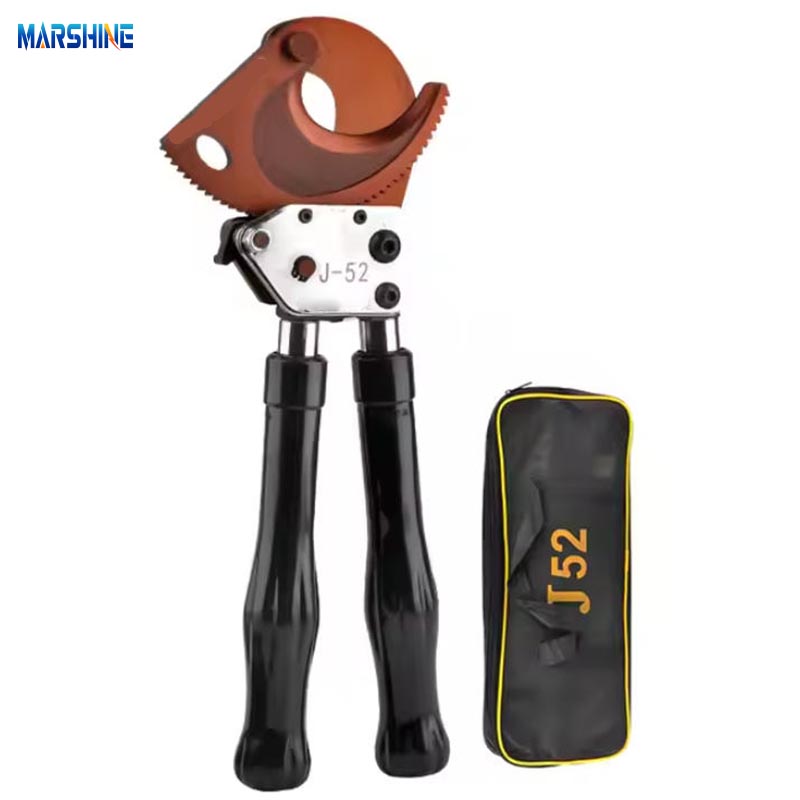
Cutting large power cables is not a job for guesswork or underbuilt hand tools. When crews work with thick copper or aluminum conductors, the difference between a clean cut and a damaged cable often comes down to blade quality, leverage, and tool control. A 52mm ratcheting cutter with aluminum handles is designed to deliver high mechanical advantage while keeping tool weight manageable, often around 1.2 to 1.5 kilograms. This guide looks at the specifications that matter most, including cable diameter, conductor area, blade construction, ratchet performance, grip design, and field limitations, so technicians and buyers can choose a safer, more durable cutter for demanding electrical installation work.
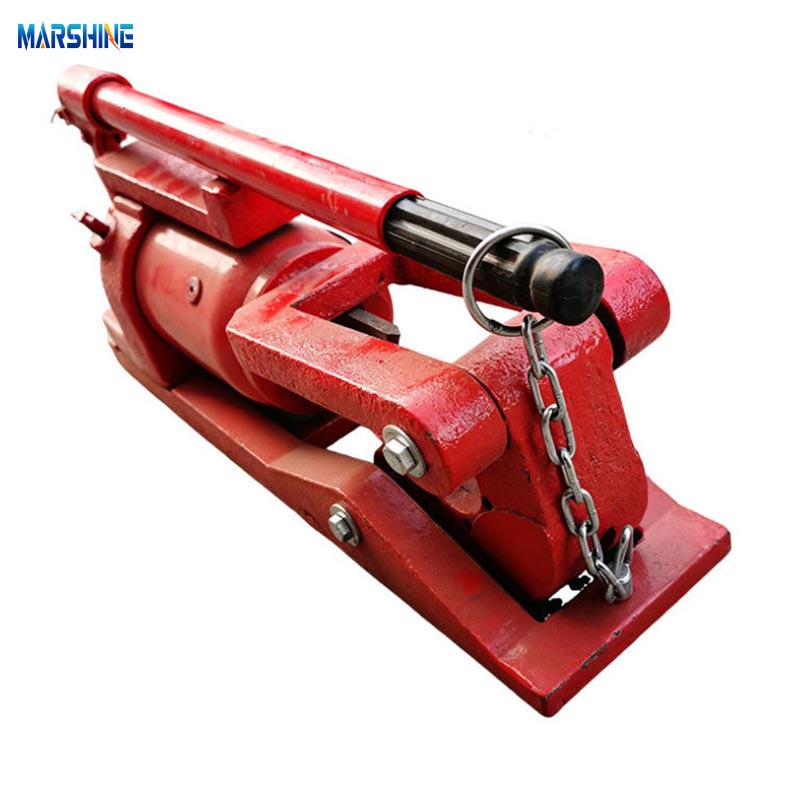
A clean wire rope cut is not just about appearance; it affects fitting, crimping, load handling, and jobsite safety. The right manual cutter can slice through steel cable efficiently without flattening strands or leaving frayed ends, while the wrong tool can slow the crew and increase injury risk. This guide explains how to evaluate hand operated wire rope cutters by capacity, handle leverage, blade design, rope construction, and field conditions. It also clarifies when a compact manual tool is the practical choice and when thicker, high-tensile, or high-volume work calls for a hydraulic alternative.
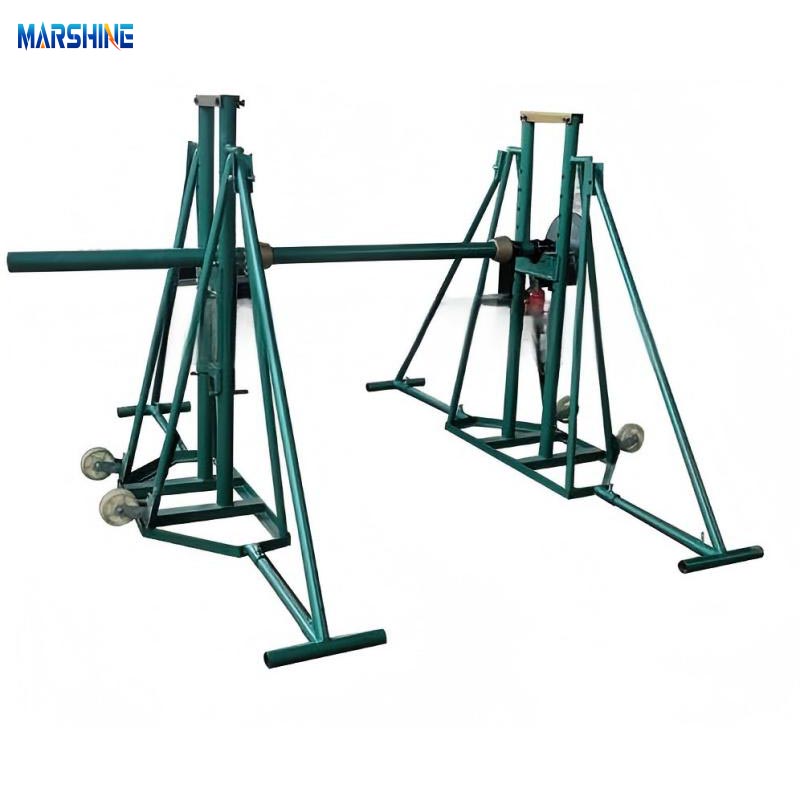
Heavy cable reels are not just awkward to move; they can weigh several tons and create dangerous side loads once pulling begins. Selecting the right cable reel handling equipment helps protect workers, prevent drum damage, and keep power or telecom installation schedules on track. This guide explains how to evaluate a heavy-duty gantry drum stand by capacity, reel size, lifting mechanism, base stability, mobility, and supplier quality. It also highlights practical safety details that are easy to overlook, such as the difference between static reel weight and dynamic pulling tension, and why wheels should only be used for positioning an unloaded stand.
We use cookies to offer you a better browsing experience, analyze site traffic and personalize content. By using this site, you agree to our use of cookies. Privacy Policy
 03 2026-09
  03 2026-09
  01 2026-09
  28 2026-08
  21 2026-08
  21 2026-08