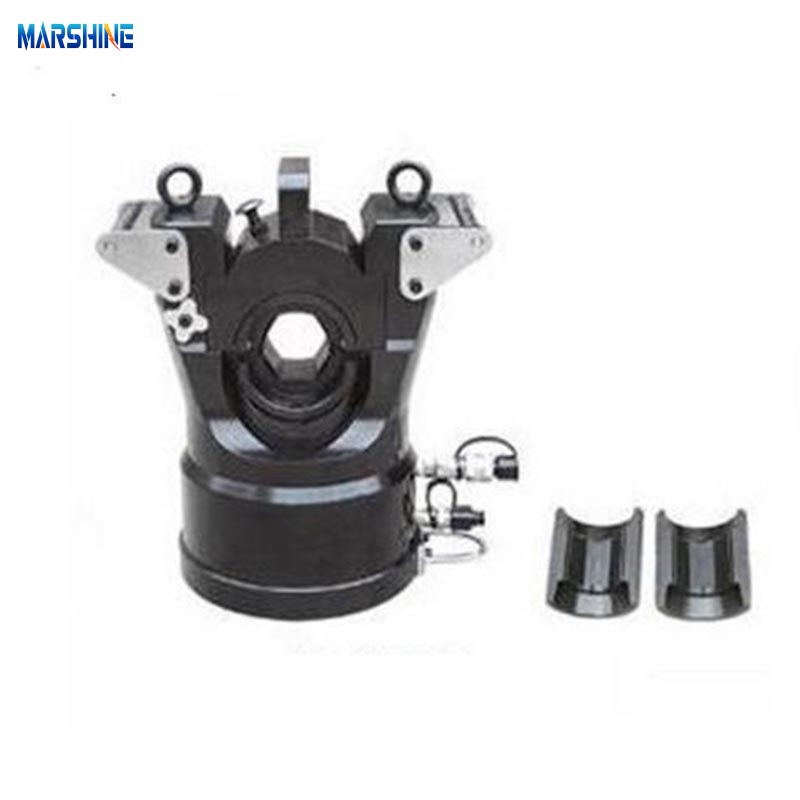
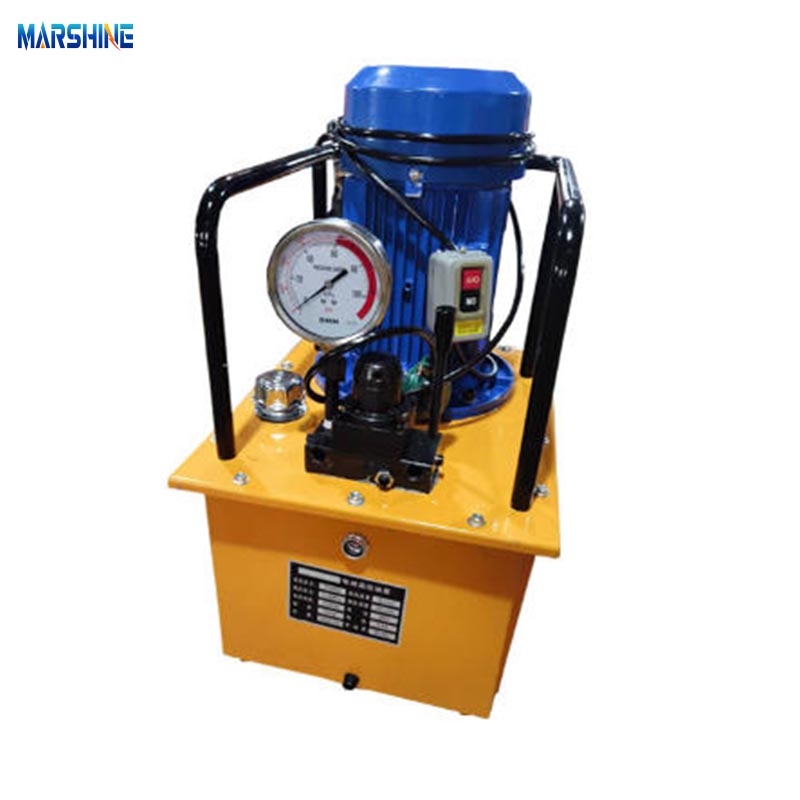
A failed splice on an overhead power line is more than an installation defect—it can compromise mechanical strength, electrical continuity, and crew safety. Choosing the right hydraulic conductor compression tool requires more than selecting the highest tonnage on a specification sheet. Crews must match output force, pump pressure, die geometry, conductor material, and sleeve requirements to the actual field application. For transmission projects, where tools may need 60 to 100 tons of force and reliable 700 bar hydraulic performance, small mismatches can lead to costly rework. This guide explains what to check before buying or deploying a conductor compression solution, from ACSR compatibility to die selection and operator safety.
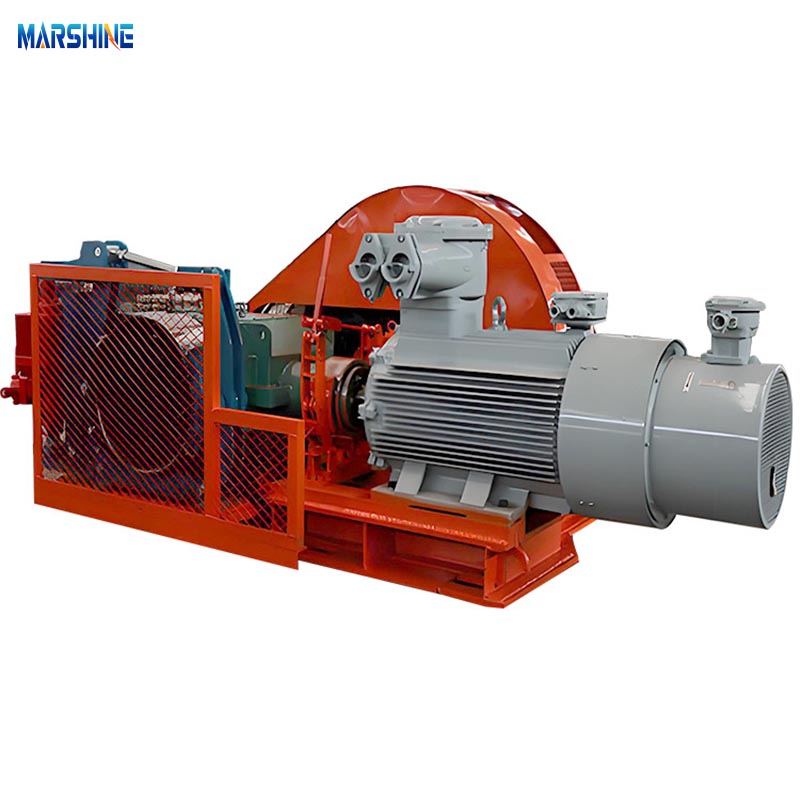
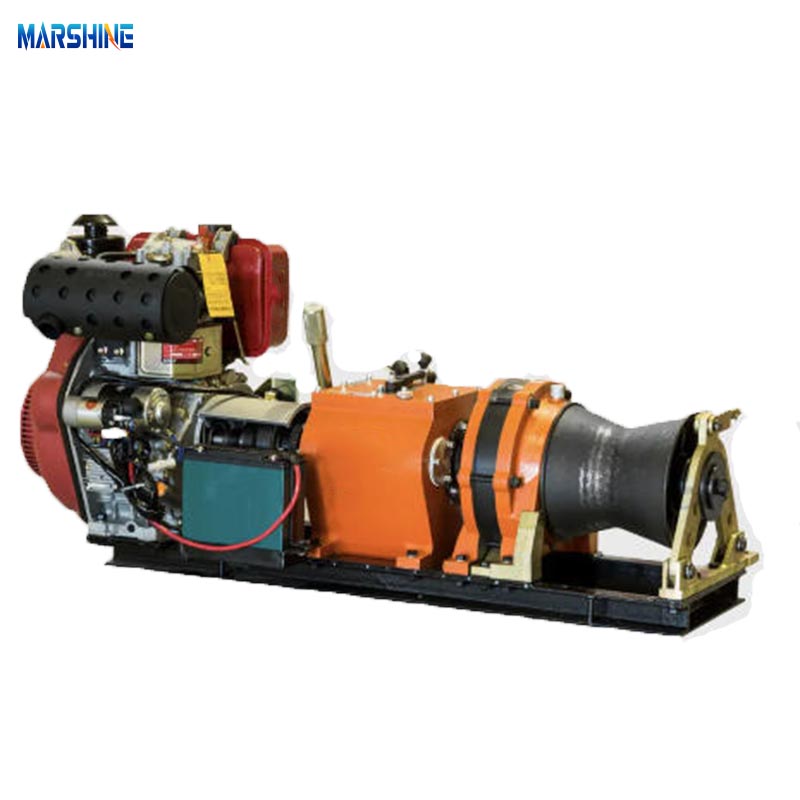
A cable pull can fail long before the winch reaches its rated limit—often because the tool was matched to the load, not the route. Long conduit runs, tight bends, elevation changes, cable stiffness, and jobsite access all influence whether a portable capstan system performs smoothly or creates costly delays. Choosing the right unit means balancing pulling force, line speed, rope compatibility, power source, anchoring, and environmental durability. This guide breaks down the practical specifications crews should evaluate before buying or deploying a winch, from torque and speed control to weather sealing and mounting options, so each pull is safer, cleaner, and better suited to real field conditions.
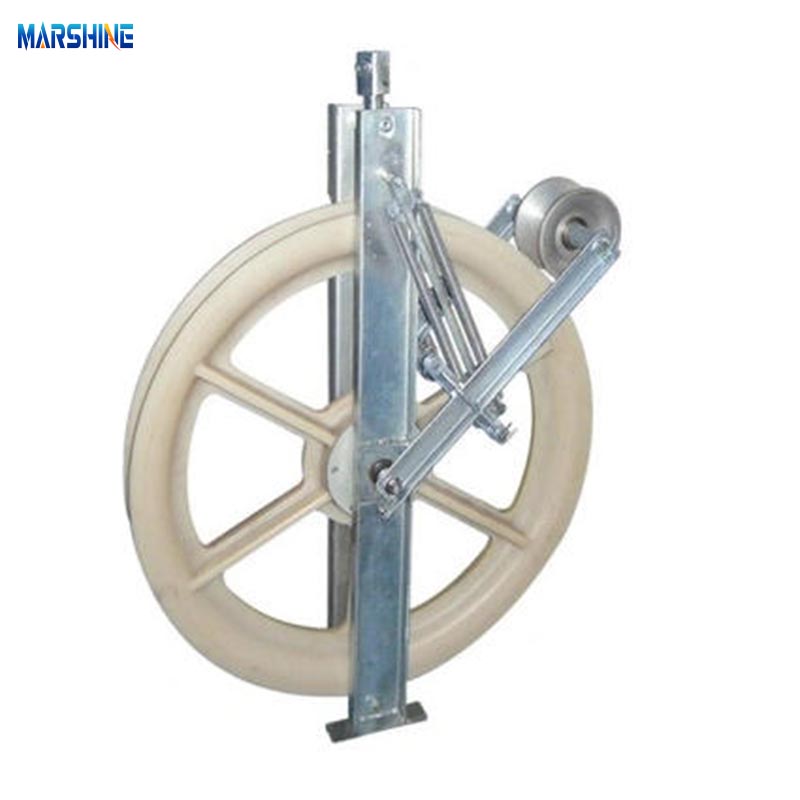
Stringing a transmission conductor beside an energized circuit can create a risk crews may not see until it is too late: induced voltage. Under certain proximity, load, and weather conditions, an otherwise unenergized wire can accumulate hazardous electrical energy, threatening personnel, cable winches, pullers, and nearby equipment. Earthing stringing blocks are designed to reduce that risk by maintaining continuous grounding contact as the conductor moves through the sheave. This article explains how they work, where they fit in a safe stringing plan, which specifications matter, and why they should be viewed as a supplementary control—not a substitute for isolation, PPE, and disciplined transmission-line safety procedures.
A stalled cable pull can cost more than time—it can damage conductors, delay energization, and put crews under unnecessary strain. For modern utility and underground grid projects, hydraulic power units give cable pulling teams the controlled force needed to move heavy lines through long conduits, uneven terrain, and demanding job sites. By converting engine power into high-pressure fluid flow, these systems support smoother pulls, steadier tension, and better protection for valuable cable assets. This article explains how hydraulic units work, why they outperform older mechanical methods in high-load applications, how they compare with electric pullers, and what specifications buyers should evaluate before choosing equipment.
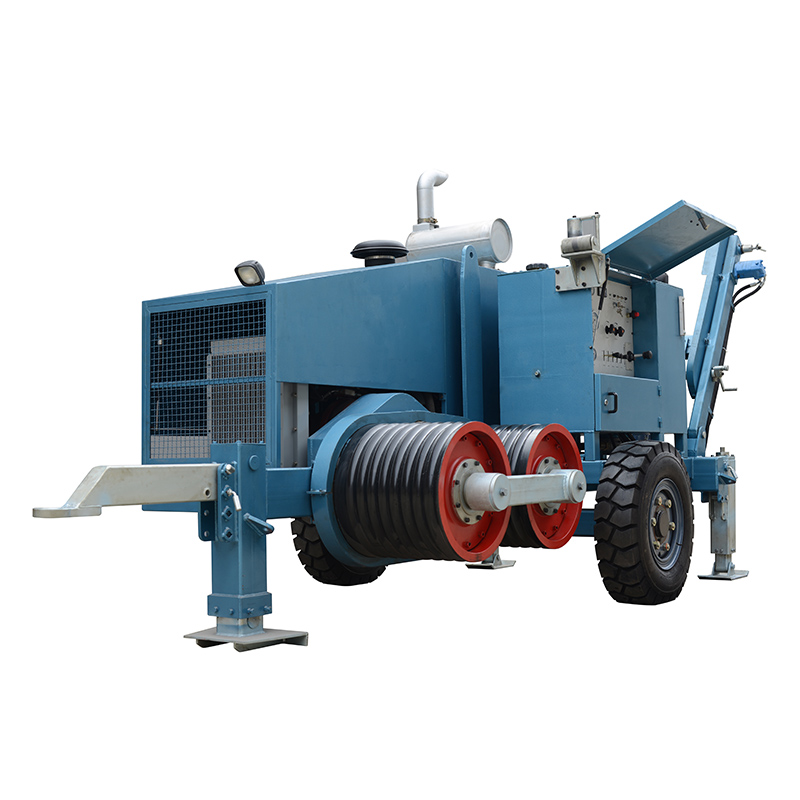
Cable installation projects are often won or lost in the minutes between pulls: setup delays, misaligned equipment, excess labor, and uncontrolled tension can quickly erode margins. Wheeled pulling equipment changes that equation by combining traction, mobility, and integrated controls on one chassis, allowing crews to move faster between access points while maintaining safer, more consistent cable handling. This article examines where mobile pullers deliver measurable value, including reduced setup time, leaner crew deployment, and pulling-force flexibility from light fiber work to heavier utility applications. It also highlights the limits contractors must plan for, from muddy terrain and steep slopes to maintenance, permitting, and operator training requirements.
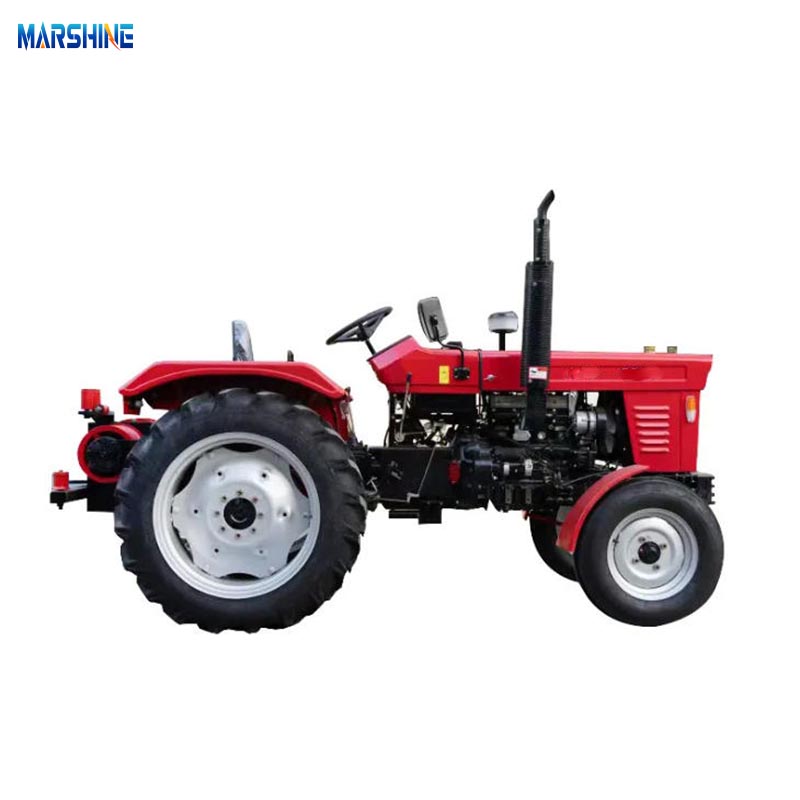
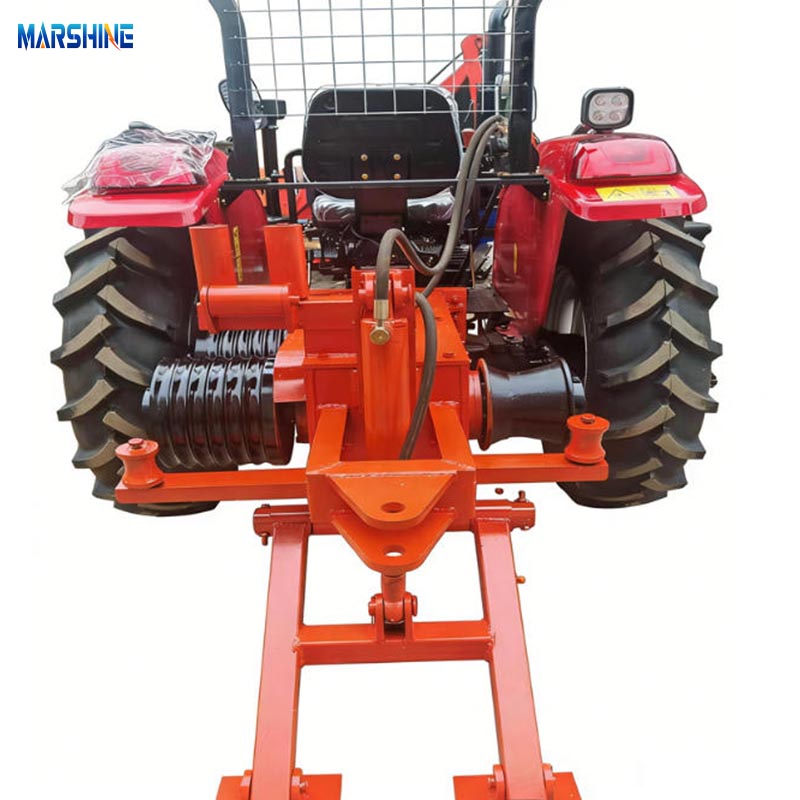
Heavy line pulling exposes crews to snapback, overloads, unstable equipment, and fatigue, especially in utility, telecom, forestry, and recovery work. A PTO cable winch reduces those risks by using a truck or tractor’s power take-off to deliver steady mechanical pulling force instead of relying on overheated electric motors or separate engines. This introduction explains why that direct power connection matters for safer load control, longer duty cycles, and more predictable tension under demanding conditions. It also sets up the key safety factors to consider, from operator positioning and equipment sizing to jobsite stability and maintenance practices.
We use cookies to offer you a better browsing experience, analyze site traffic and personalize content. By using this site, you agree to our use of cookies.Privacy Policy
 03 2026-07
  26 2026-06
  25 2026-06
  22 2026-06
  17 2026-06
  15 2026-06