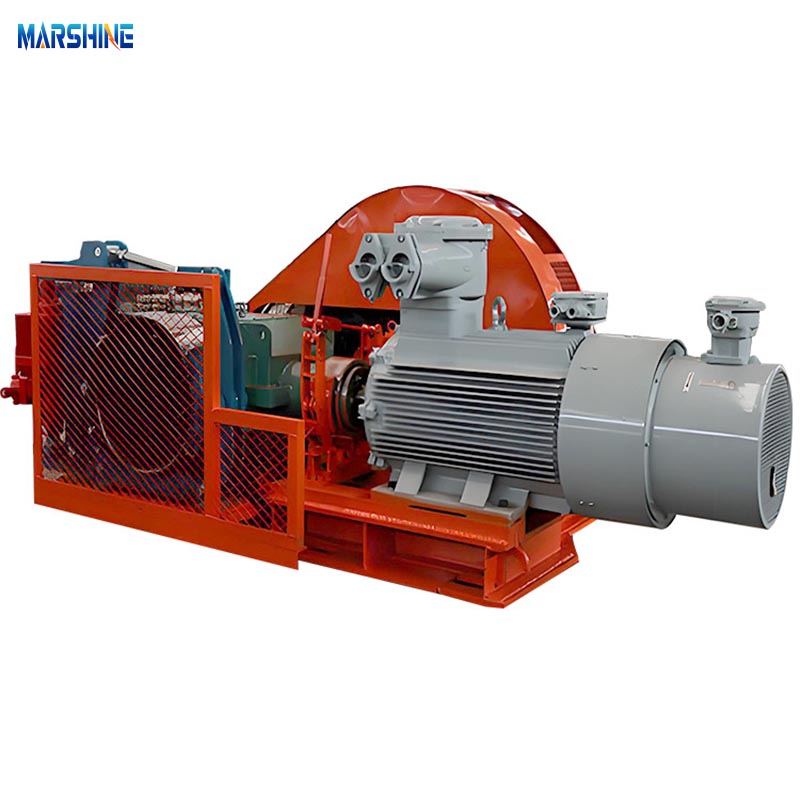
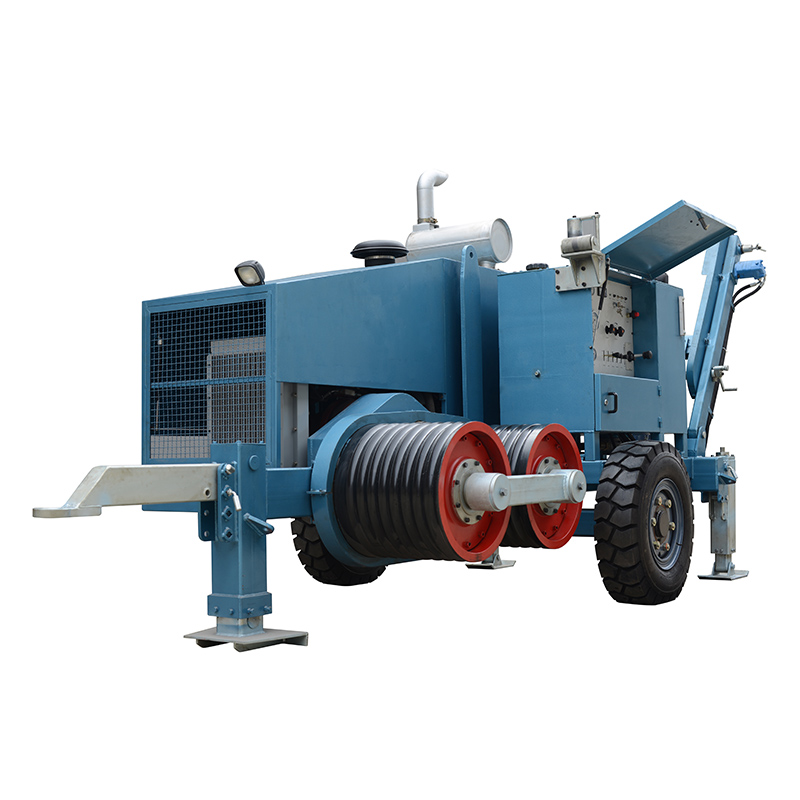
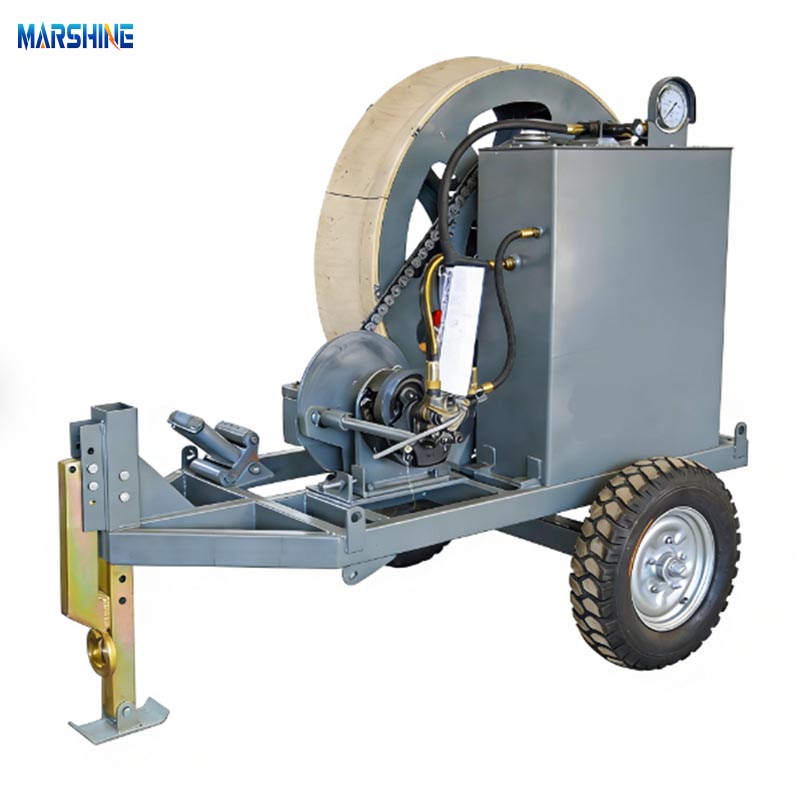
For utility and construction crews handling loads around 5 tons, a 50kN diesel capstan winch is often the practical choice when reliable pulling force is needed away from fixed power sources. The right model depends on more than rated capacity alone: engine output, rope speed, drum or capstan design, fuel efficiency, portability, braking, and frame durability all affect jobsite performance. This article explains which specifications matter most for foundation work, cable pulling, and similar field tasks, helping you compare options with a clearer understanding of where a 50kN diesel capstan winch truly fits and what tradeoffs to expect in daily use.
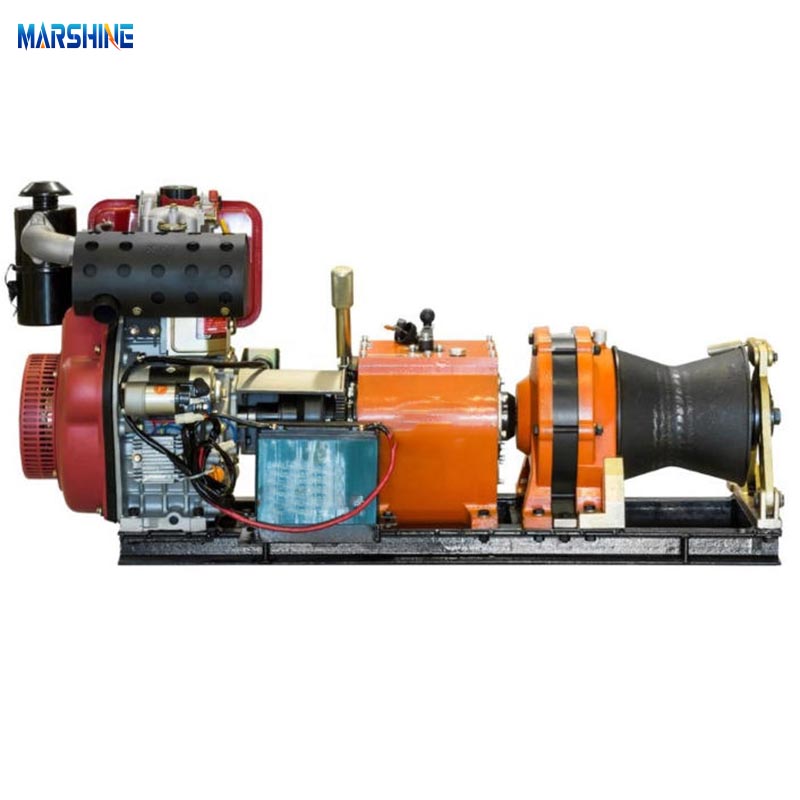
Wire rope pulling often becomes slower, riskier, and more labor-intensive when crews rely on bulky equipment or improvised methods in tight, uneven, or remote job sites. A portable capstan puller improves this process by delivering controlled traction in a compact, movable form, allowing operators to pull over long distances without the limits of a conventional drum. It can reduce setup time, ease handling in difficult terrain, and support steadier line movement for utility, cable, and construction work. The sections that follow explain how its capstan-based pulling action works, where it adds the most value, and why it can improve both field productivity and pull consistency.
Cutting armored cable safely depends as much on tool design as on operator technique. An armored wire cutter is built to handle steel wire armor, dense insulation, and heavy conductors with controlled force, reducing the slipping, crushing, and jagged cuts that often occur with general-purpose tools. For crews working with SWA, ACSR, or other reinforced cables, that means cleaner shears, less physical strain, and fewer opportunities for hand injuries or damage to the cable itself. The sections that follow explain how these cutters improve cable shear safety, what features make the biggest difference in the field, and when a dedicated cutter is the better choice than standard hand tools.
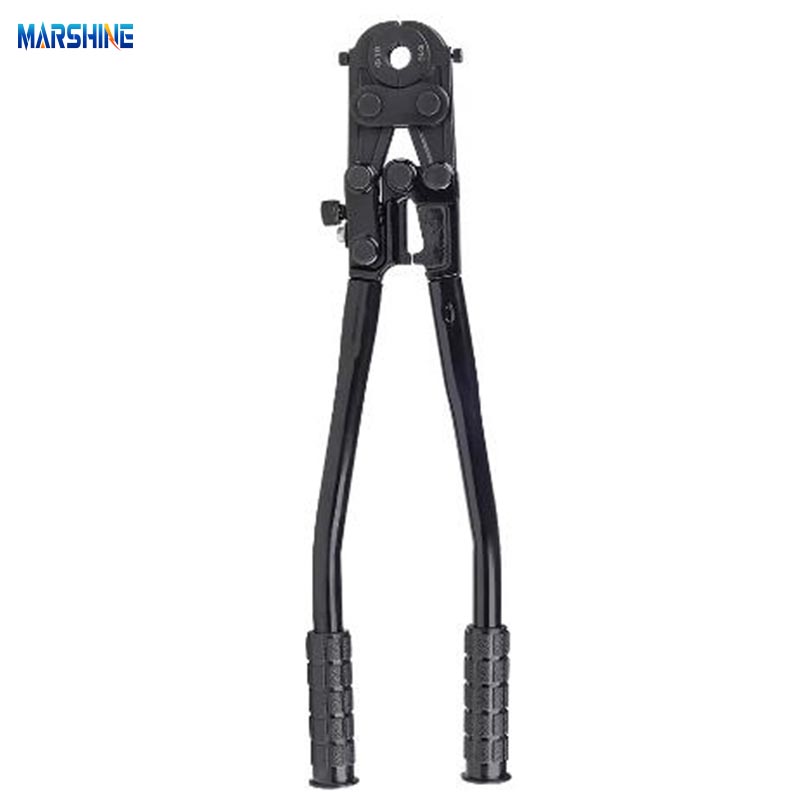
For heavy-duty field work, the best manual cable lug crimper is the one that delivers consistent compression, survives rough conditions, and remains practical when power-assisted tools are not an option. This article compares what actually matters on the job: crimping force, die range, handle leverage, tool durability, portability, and reliability in cold, heat, dust, and remote locations. You will see how different manual crimper designs perform for large-gauge cable terminations, where common failure points appear, and which features make a real difference for line crews, solar installers, and maintenance teams working far from the shop.
Choosing a copper busbar punching tool is less about brand names than about how reliably it produces clean, accurate holes under real shop conditions. The right tool affects connection quality, installation speed, operator safety, and the amount of rework caused by burrs, misalignment, or weak hydraulic performance. This article explains the features that actually matter when comparing options, including punching force, capacity range, die accuracy, build durability, portability, and ease of use. By the end, you will know how to judge whether a tool is simply usable or genuinely worth the investment for consistent busbar fabrication.
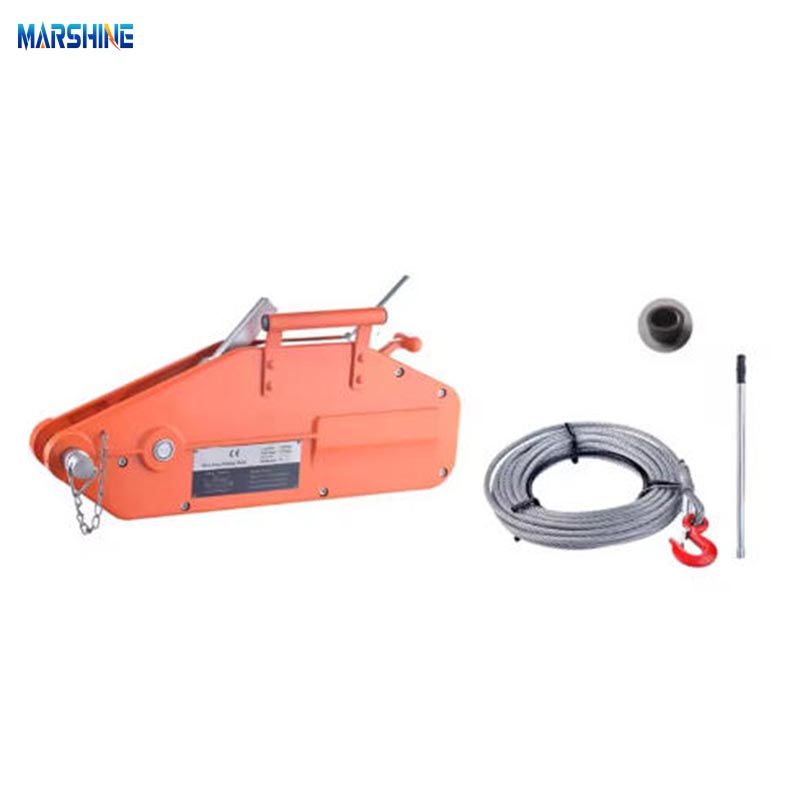
A manual grip hoist is more than a simple pulling tool; it is a controlled lifting device that helps reduce risk during demanding rigging and tensioning work. Its grip-and-move mechanism gives operators steadier control over heavy loads, limits sudden slip, and supports safer handling in confined or high-stakes environments. This article explains how that design improves lifting safety, why it performs differently from conventional winches, and what benefits it offers on jobs where precision and reliability matter most.
We use cookies to offer you a better browsing experience, analyze site traffic and personalize content. By using this site, you agree to our use of cookies.Privacy Policy
 10 2026-06
  04 2026-06
  21 2026-05
  20 2026-05
  18 2026-05
  14 2026-05