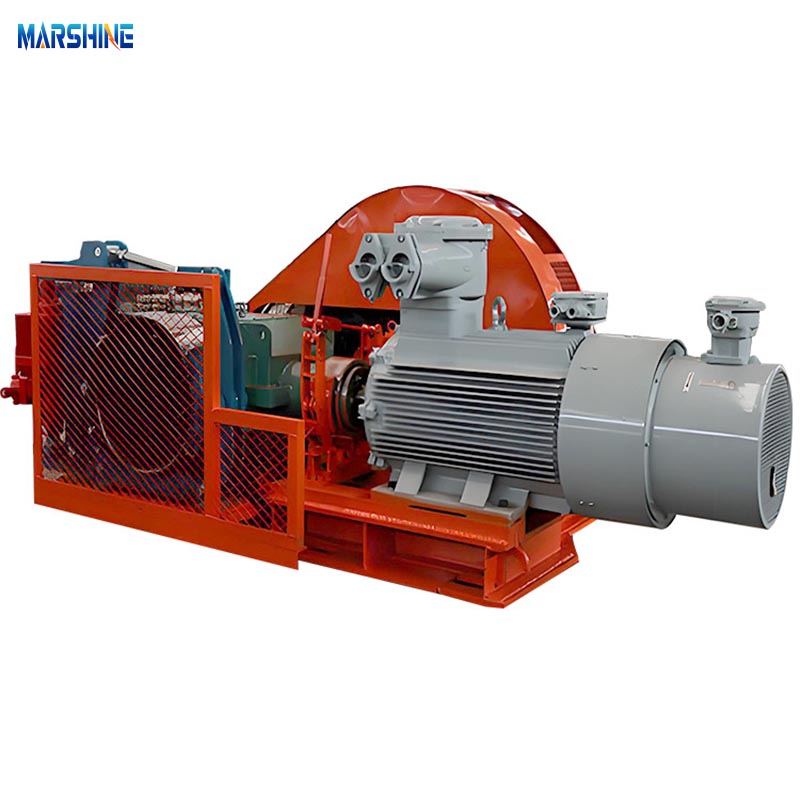
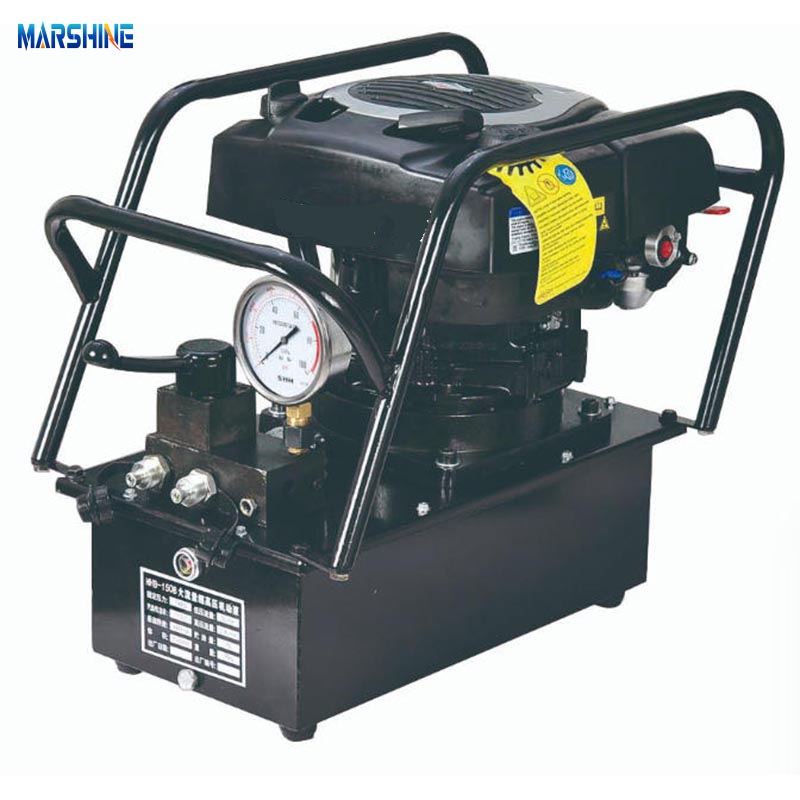
A petrol-driven hydraulic power source can make cable installation faster, safer, and more practical when crews are working far from reliable electricity. But selecting the right unit is not just about engine size; it requires matching hydraulic flow, pressure, duty cycle, cooling capacity, and site conditions to the actual pulling equipment. A unit that performs well on a short roadside job may struggle during a sustained transmission pull, at high altitude, or in a dusty trench. This guide explains how to evaluate mobility, environmental limits, safety risks, and compatibility so procurement teams and field supervisors can choose equipment that delivers dependable performance without creating avoidable downtime or hazards.
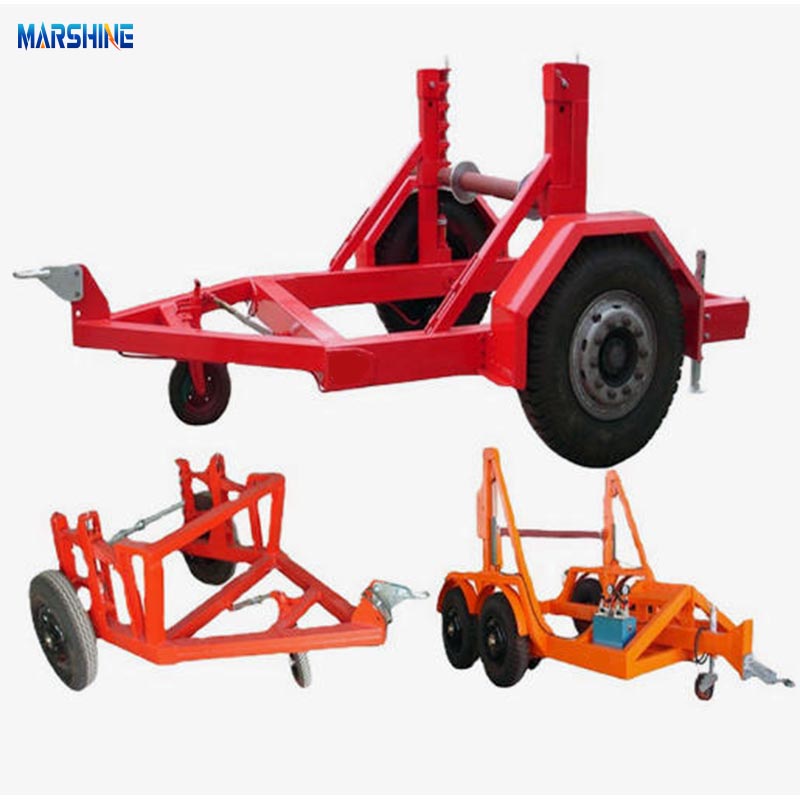
A cable reel that weighs 10,000 to 40,000 lbs leaves little room for guesswork. The right hydraulic reel support setup helps crews lift, stabilize, and pay out heavy cable safely while reducing downtime and material damage. But capacity alone is not enough; buyers also need to verify reel diameter, spindle compatibility, hydraulic lift control, maintenance demands, and jobsite conditions such as mud, gravel, or uneven grades. This guide explains the practical selection factors that matter most for power, telecom, and utility installation teams, including when hydraulic stands outperform manual options and how to match equipment with stringing blocks for smoother field operations.
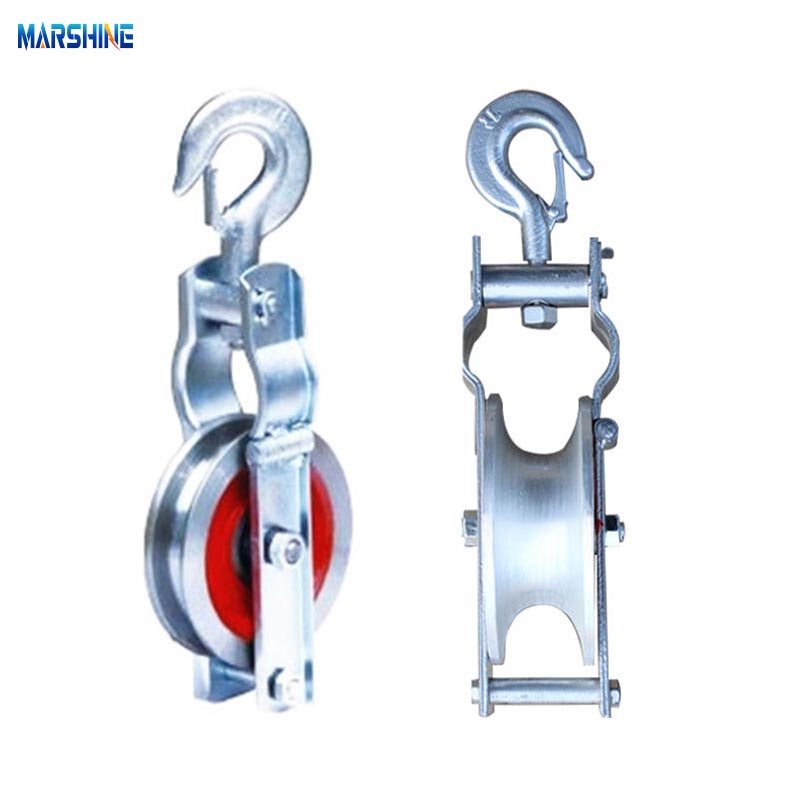
A pulley that looks adequate on paper can still become the weak point in a cable stringing job if its load rating, groove shape, or sheave material does not match the conductor and terrain. In overhead line construction, small specification errors can lead to higher friction, damaged jackets, excessive bending stress, or unsafe pulling conditions. This guide explains how to evaluate single conductor pulley options using practical criteria: conductor size, span length, expected tension, jobsite environment, safe working load, and sheave construction. It also compares common aluminum and MC nylon designs so crews can choose equipment that supports faster rigging, smoother pulls, and better conductor protection.
Heavy cable drums can turn an otherwise well-planned grid or telecom installation into a slow, equipment-heavy operation. Every extra crane booking, manual jack setup, or poorly controlled reel rotation adds cost, labor risk, and delay. A hydraulic cable drum carrier tackles that bottleneck by lifting, transporting, and supporting the drum for controlled pay-out from a single machine. For contractors handling drums in the 3,000 kg to 8,000 kg range, the right carrier can improve setup speed, reduce ground friction, and help maintain steadier cable tension. This article explains where the efficiency gains come from, which specifications matter most, and how to select equipment that supports safer, smoother cable deployment.
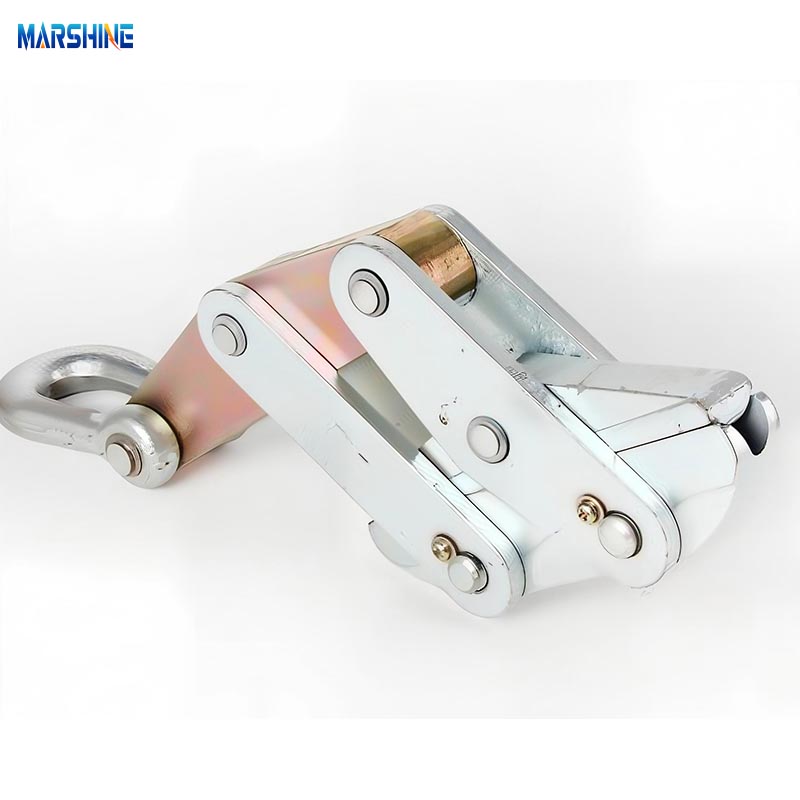
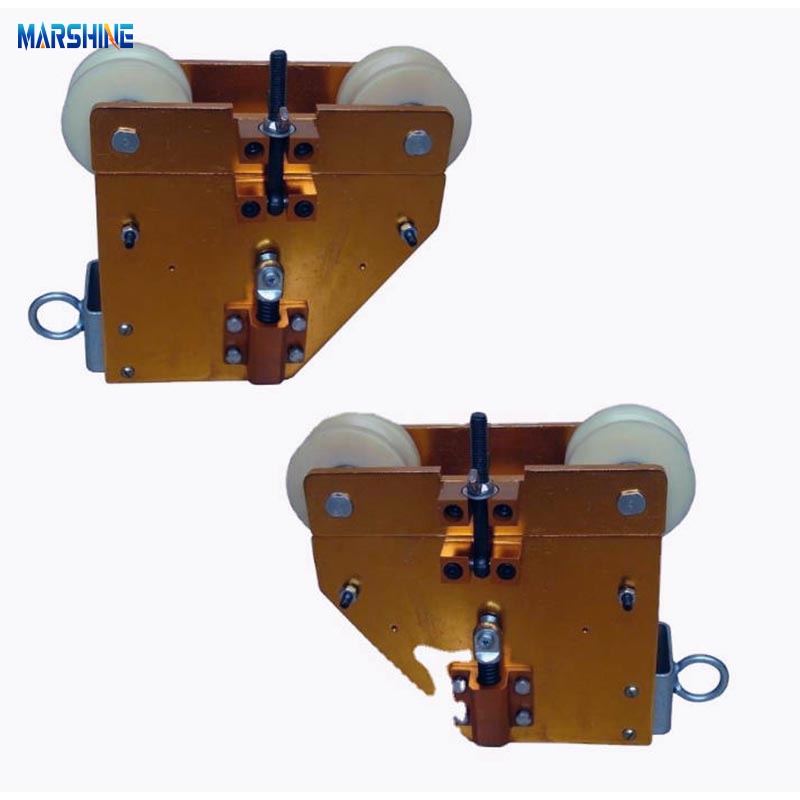
Every hour spent clearing stringing blocks after a pull can delay the next span, raise labor costs, and increase crew exposure in difficult terrain. A self propelled recovery device addresses that bottleneck by moving along the conductor under its own power, collecting pulleys and trailing equipment without relying on manual carts or costly aerial support. For transmission contractors, the gains are practical and measurable: faster retrieval speeds, remote operation, fewer suspended tasks, and more predictable production schedules. This article explains where the time savings come from, which specifications affect performance, and how to compare recovery tools for real overhead line construction conditions.
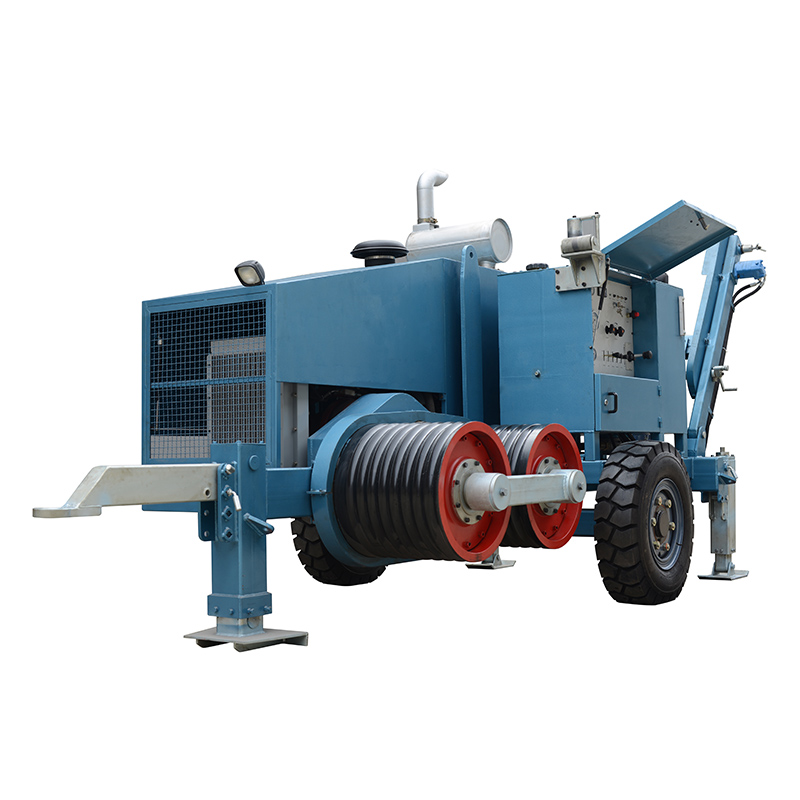
Precision tension control is the difference between a clean overhead line installation and a costly conductor-damage event. In power grid construction, heavy cables must be pulled across long spans without touching the ground, snagging on obstacles, or exceeding safe sag limits. A hydraulic tensioning machine solves this by combining bull wheel geometry, closed-loop hydraulic resistance, and real-time tension adjustment. This article explains how the system regulates braking torque, why hydraulic pressure and oil viscosity matter, and which specifications—such as rated tension, stringing speed, conductor diameter, and cooling capacity—should guide equipment selection. For contractors, understanding these details helps improve safety, line quality, and jobsite productivity.
We use cookies to offer you a better browsing experience, analyze site traffic and personalize content. By using this site, you agree to our use of cookies. Privacy Policy
 07 2026-08
  05 2026-08
  04 2026-08
  28 2026-07
  22 2026-07
  17 2026-07