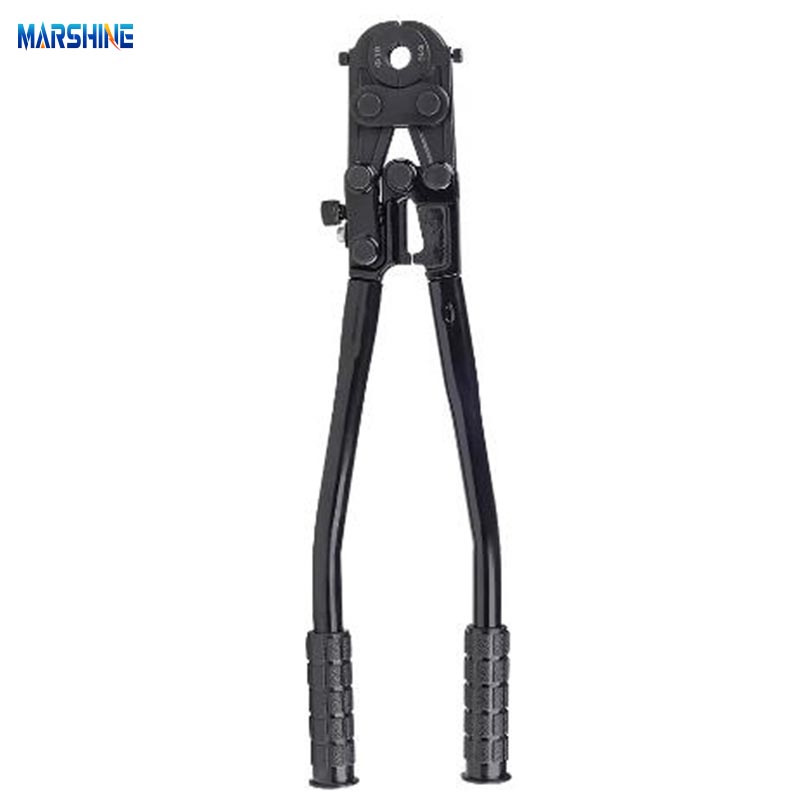
For heavy-duty field work, the best manual cable lug crimper is the one that delivers consistent compression, survives rough conditions, and remains practical when power-assisted tools are not an option. This article compares what actually matters on the job: crimping force, die range, handle leverage, tool durability, portability, and reliability in cold, heat, dust, and remote locations. You will see how different manual crimper designs perform for large-gauge cable terminations, where common failure points appear, and which features make a real difference for line crews, solar installers, and maintenance teams working far from the shop.
Choosing a copper busbar punching tool is less about brand names than about how reliably it produces clean, accurate holes under real shop conditions. The right tool affects connection quality, installation speed, operator safety, and the amount of rework caused by burrs, misalignment, or weak hydraulic performance. This article explains the features that actually matter when comparing options, including punching force, capacity range, die accuracy, build durability, portability, and ease of use. By the end, you will know how to judge whether a tool is simply usable or genuinely worth the investment for consistent busbar fabrication.
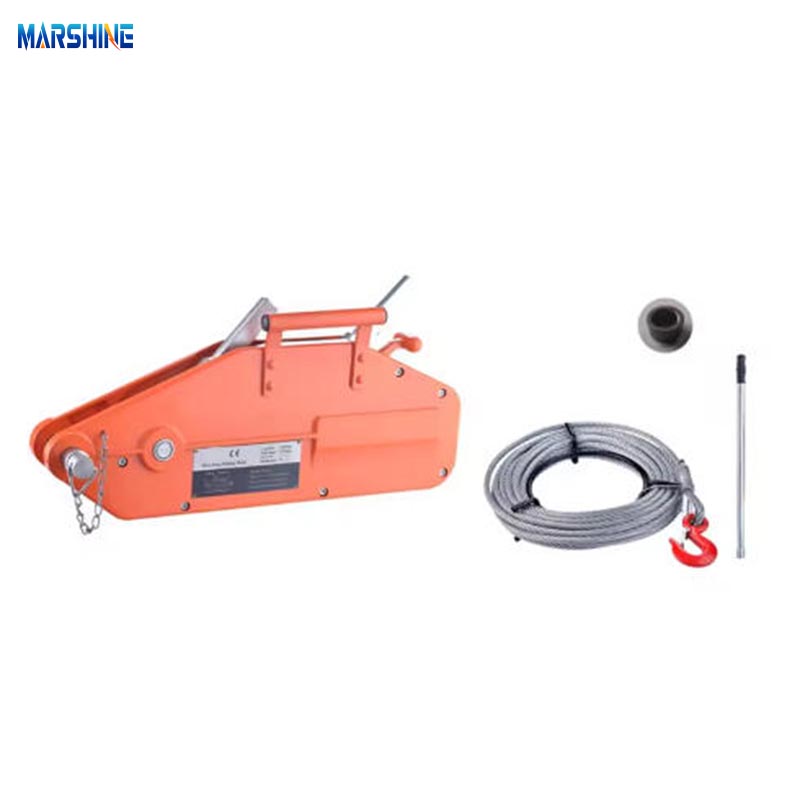
A manual grip hoist is more than a simple pulling tool; it is a controlled lifting device that helps reduce risk during demanding rigging and tensioning work. Its grip-and-move mechanism gives operators steadier control over heavy loads, limits sudden slip, and supports safer handling in confined or high-stakes environments. This article explains how that design improves lifting safety, why it performs differently from conventional winches, and what benefits it offers on jobs where precision and reliability matter most.
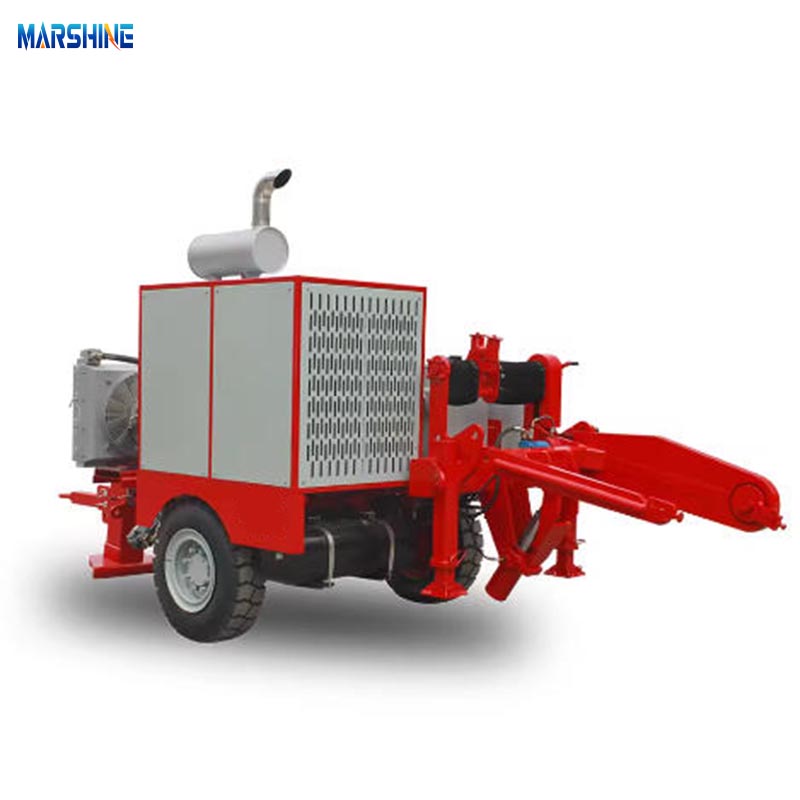
Precise cable control depends on more than steady pulling power; it requires constant management of changing loads, line speed, and sudden resistance in the field. An intelligent tensioning system addresses these variables with real-time feedback and automatic adjustment, helping crews keep tension within safe limits and reduce the risk of conductor damage, slack, or dangerous overloads. This article explains how these systems improve control during installation, where they outperform manual methods, and what practical benefits they bring to efficiency, safety, and cable quality.
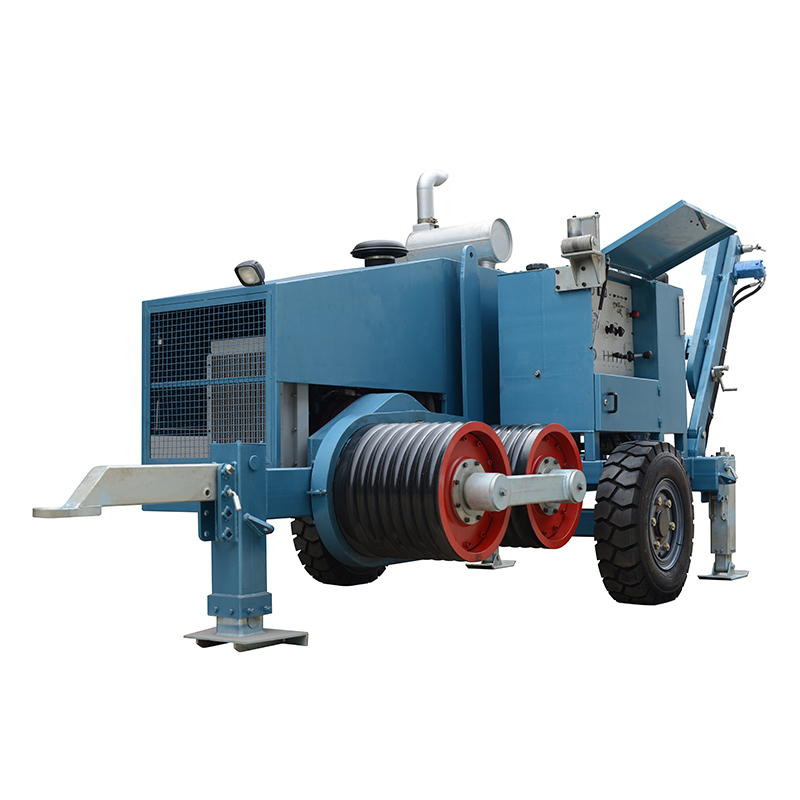
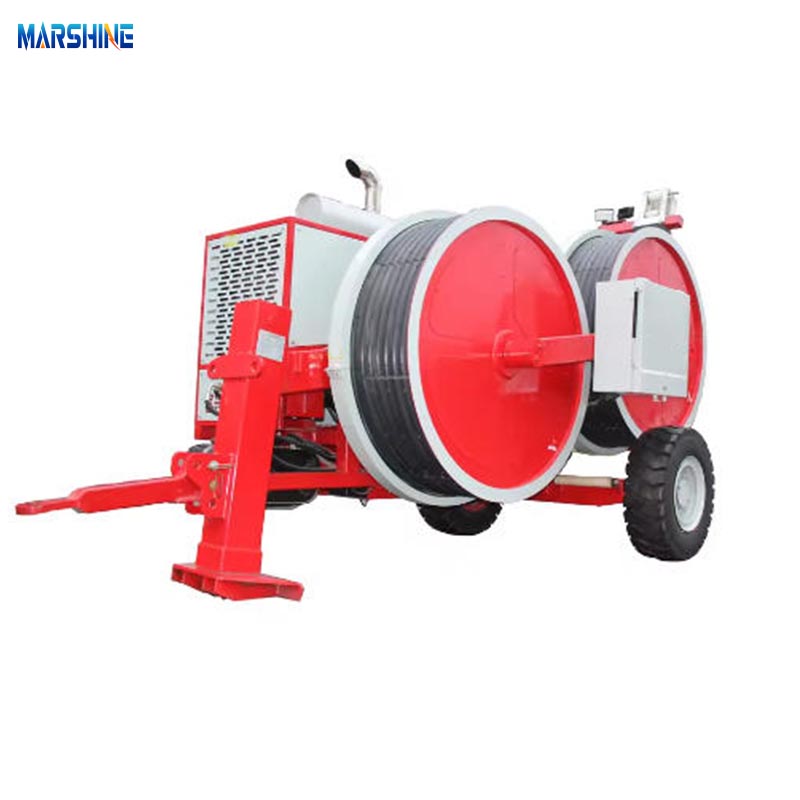
Choosing a conductor stringing tension machine is less about raw pulling power than about how consistently it protects expensive cable during installation. In transmission, distribution, and OPGW work, reliable tension control helps prevent conductor damage, reduces downtime, and keeps crews working safely across long spans and difficult terrain. The most dependable machines combine stable braking, precise tension regulation, durable hydraulic systems, and operator-friendly controls that hold performance under changing loads. The following discussion explains which design features, operating capabilities, and build qualities determine whether a machine will deliver accurate, repeatable results in real field conditions.
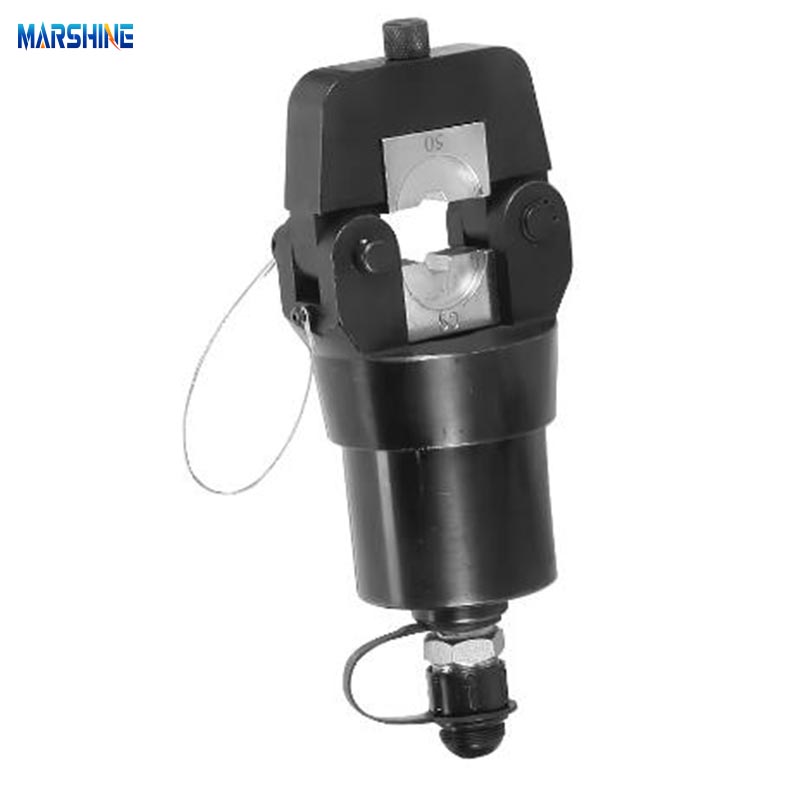
Reliable cable terminations depend on more than matching the right lug to the right conductor; they also require enough controlled force to create a dense, uniform crimp. A hydraulic crimper improves this process by applying high pressure with consistent die alignment, helping reduce voids, uneven compression, and connection defects that can raise resistance or weaken mechanical hold. Understanding how this tool affects deformation, contact quality, and repeatability makes it easier to judge whether a finished lug will perform well in demanding electrical work. The sections that follow explain the specific ways hydraulic crimping supports stronger, safer, and more consistent cable lug connections.
We use cookies to offer you a better browsing experience, analyze site traffic and personalize content. By using this site, you agree to our use of cookies. Privacy Policy
 20 2026-05
 18 2026-05
 14 2026-05
 13 2026-05
 09 2026-05
 07 2026-05