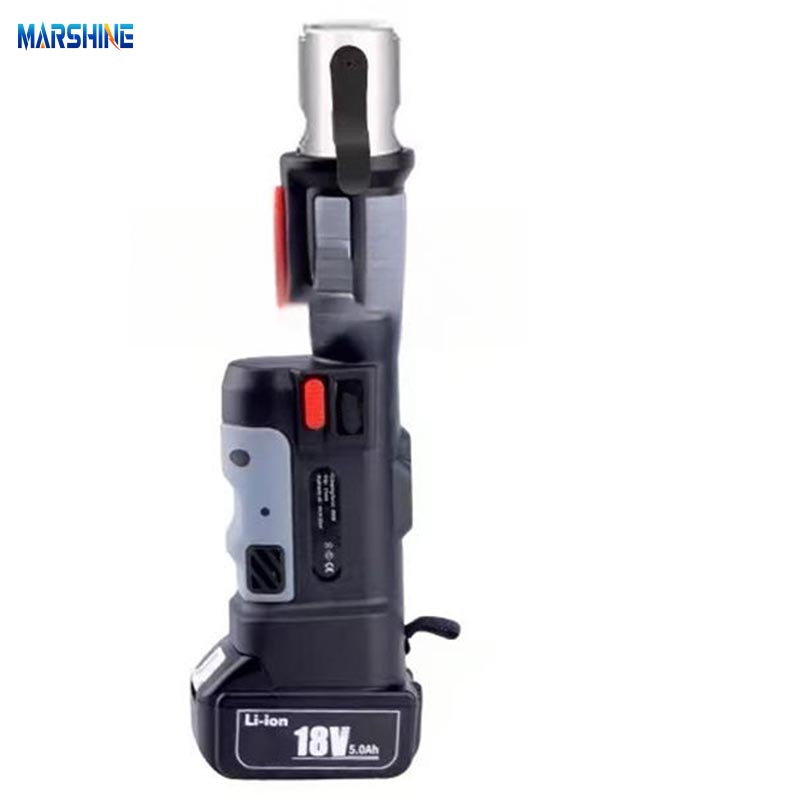
Stainless steel press systems leave little room for guesswork: the wrong tool can mean under-crimped fittings, damaged tubing, or leaks in high-value installations. A modern cordless hydraulic crimper gives contractors the mobility to work in ceilings, plant rooms, and dense pipe runs while delivering the controlled force stainless steel demands. But battery voltage alone is not enough to judge performance. Buyers need to compare certified fitting compatibility, pressing force, jaw profiles, cycle time, battery capacity, and inspection requirements. This guide explains the practical specifications that matter most so you can select a tool that is fast, compliant, and reliable on demanding commercial and industrial pipework.
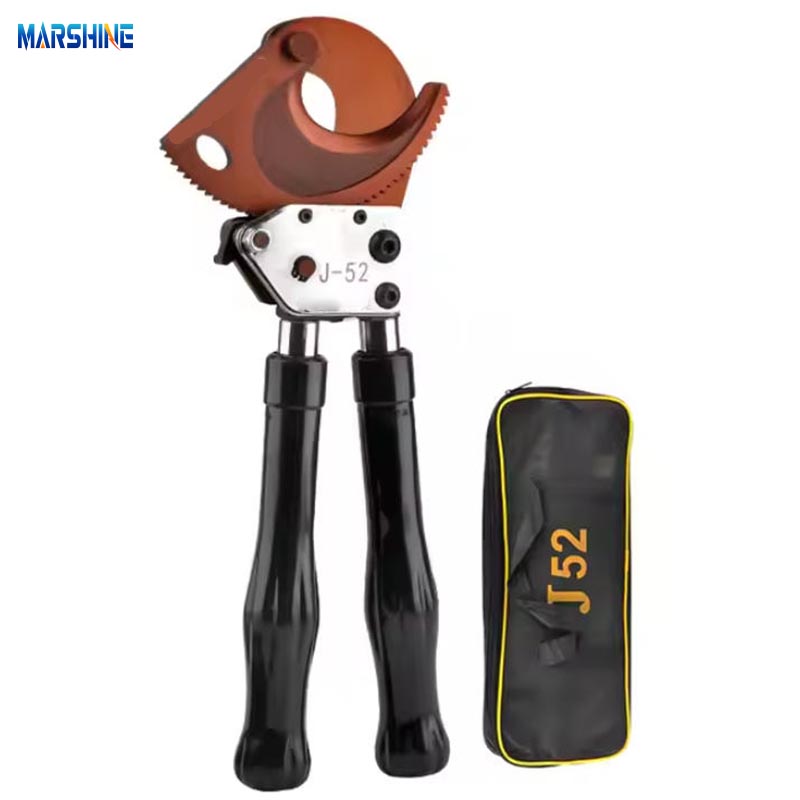
Cutting large power cables is not a job for guesswork or underbuilt hand tools. When crews work with thick copper or aluminum conductors, the difference between a clean cut and a damaged cable often comes down to blade quality, leverage, and tool control. A 52mm ratcheting cutter with aluminum handles is designed to deliver high mechanical advantage while keeping tool weight manageable, often around 1.2 to 1.5 kilograms. This guide looks at the specifications that matter most, including cable diameter, conductor area, blade construction, ratchet performance, grip design, and field limitations, so technicians and buyers can choose a safer, more durable cutter for demanding electrical installation work.
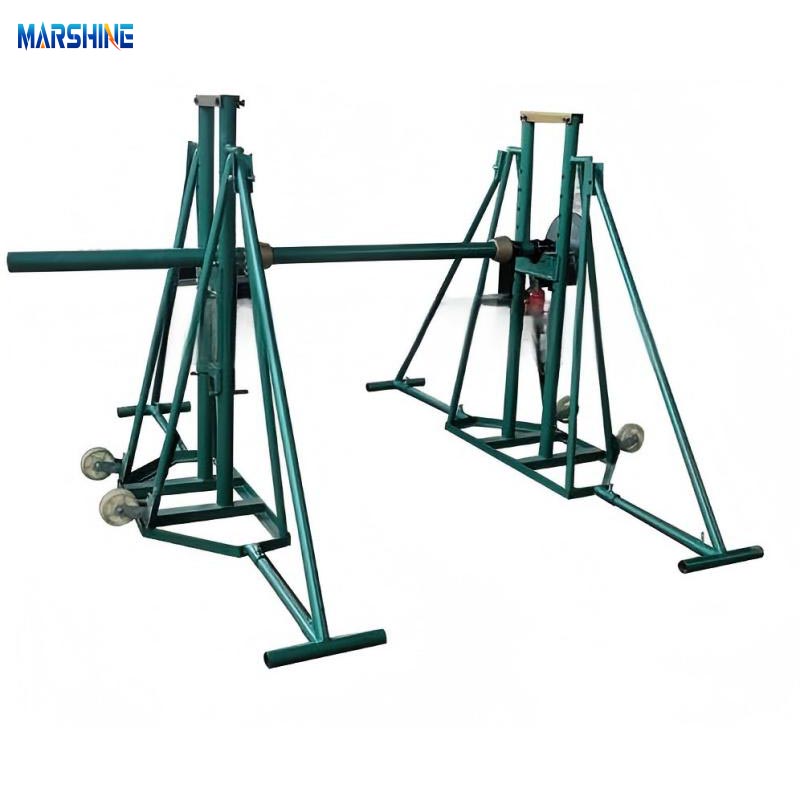
Heavy cable reels are not just awkward to move; they can weigh several tons and create dangerous side loads once pulling begins. Selecting the right cable reel handling equipment helps protect workers, prevent drum damage, and keep power or telecom installation schedules on track. This guide explains how to evaluate a heavy-duty gantry drum stand by capacity, reel size, lifting mechanism, base stability, mobility, and supplier quality. It also highlights practical safety details that are easy to overlook, such as the difference between static reel weight and dynamic pulling tension, and why wheels should only be used for positioning an unloaded stand.
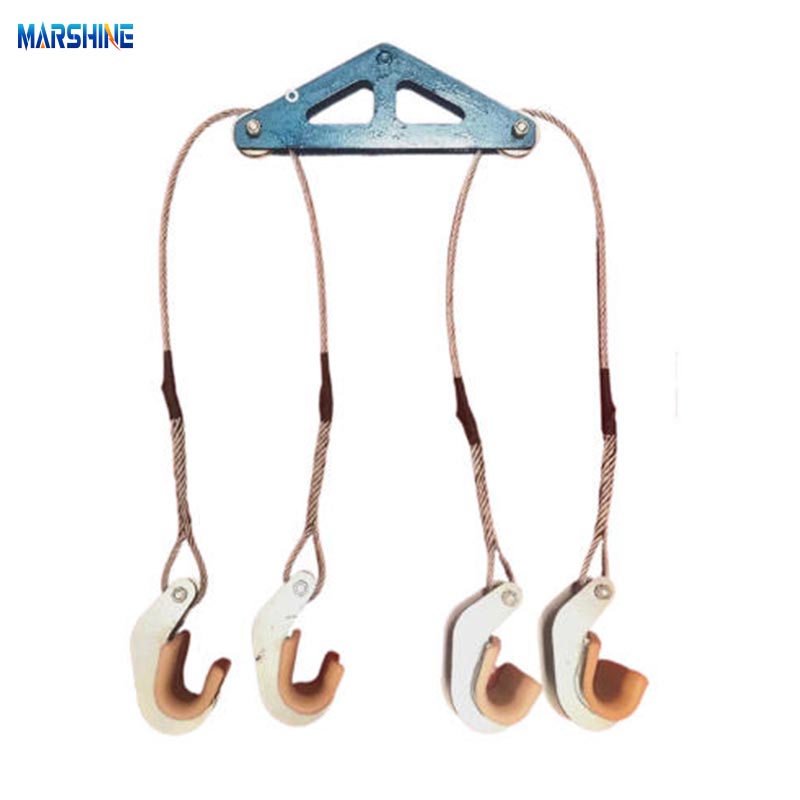
Twin-bundle transmission work leaves little margin for error: two energized-route conductors, heavy mechanical loads, and strict spacing requirements all have to be controlled at once. A properly selected conductor lifter gives line crews a defined load path from the hoist to a rigid yoke and into two secured clamps, helping prevent slippage, abrasion, and sudden imbalance. This article explains how twin-bundle lifters improve safety on 220kV to 500kV lines, what structural features matter most, and how Working Load Limit, conductor type, bundle geometry, and standards such as ASME B30.20 or IEC 61284 should guide selection.
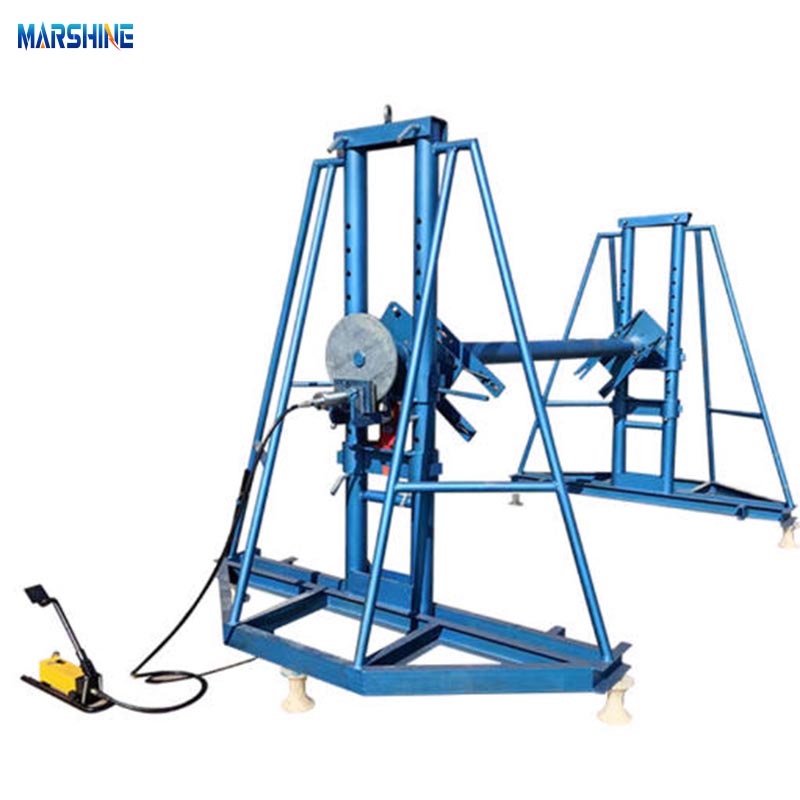
A heavy cable reel can weigh several tons, and once it starts turning under pull tension, small specification mistakes become serious safety risks. Hydraulic reel support equipment helps crews lift, position, and control large drums with far less manual strain, but the right setup depends on more than headline capacity. Buyers need to compare load ratings, drum diameter range, spindle compatibility, braking method, and ground stability before committing to a model. This guide explains the key selection factors for contractors, utility crews, and procurement teams, including when a dedicated hydraulic solution makes more sense than screw jack stands, reel trailers, or short-term rental equipment.
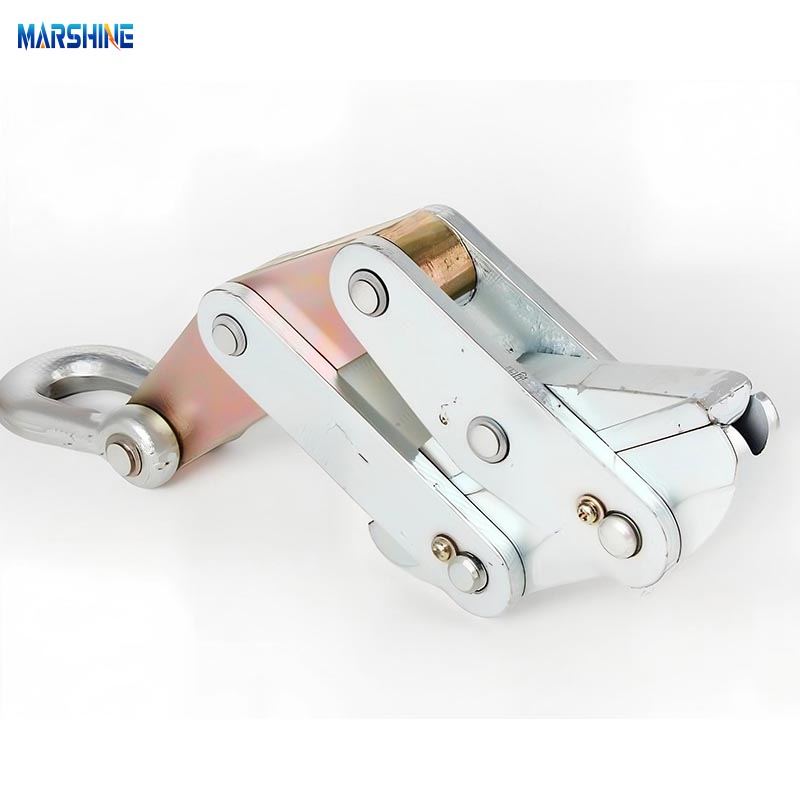
Aluminum conductors are efficient and widely used, but they are also less forgiving during pulling and tensioning work. A clamp that performs well on steel guy wire can leave permanent scores, create strand separation, or allow slippage when used on softer aluminum. Selecting the right conductor come along means looking beyond basic size charts and checking conductor code, alloy temper, jaw profile, and Safe Working Load. This guide explains the practical differences between aluminum-rated grips and generic clamps, highlights the specifications that matter most, and helps crews reduce installation damage while maintaining safe, predictable pulling performance.
We use cookies to offer you a better browsing experience, analyze site traffic and personalize content. By using this site, you agree to our use of cookies. Privacy Policy
 03 2026-09
  28 2026-08
  21 2026-08
  18 2026-08
  14 2026-08
  14 2026-08