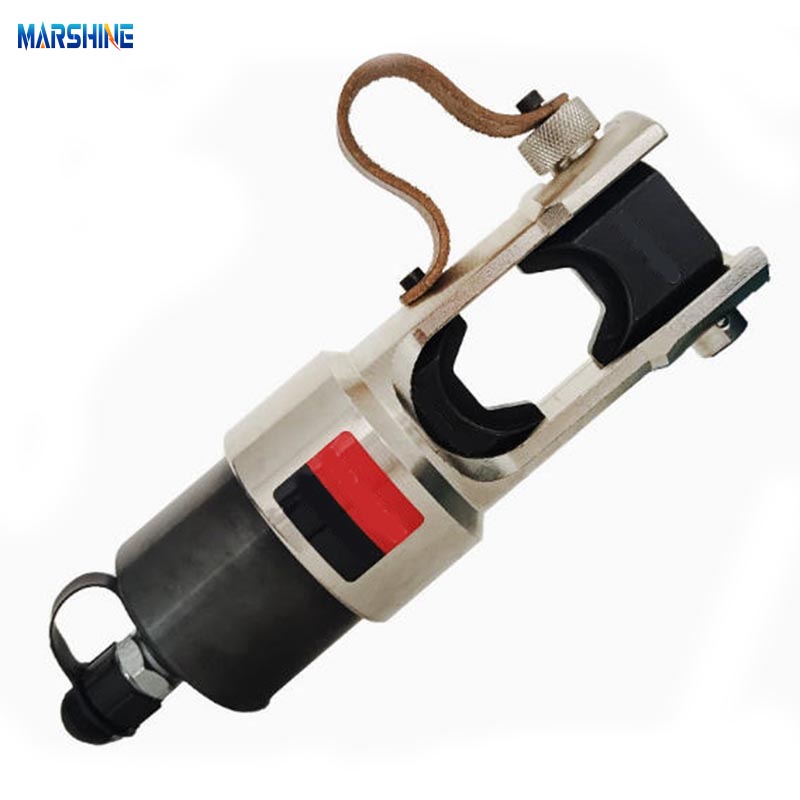
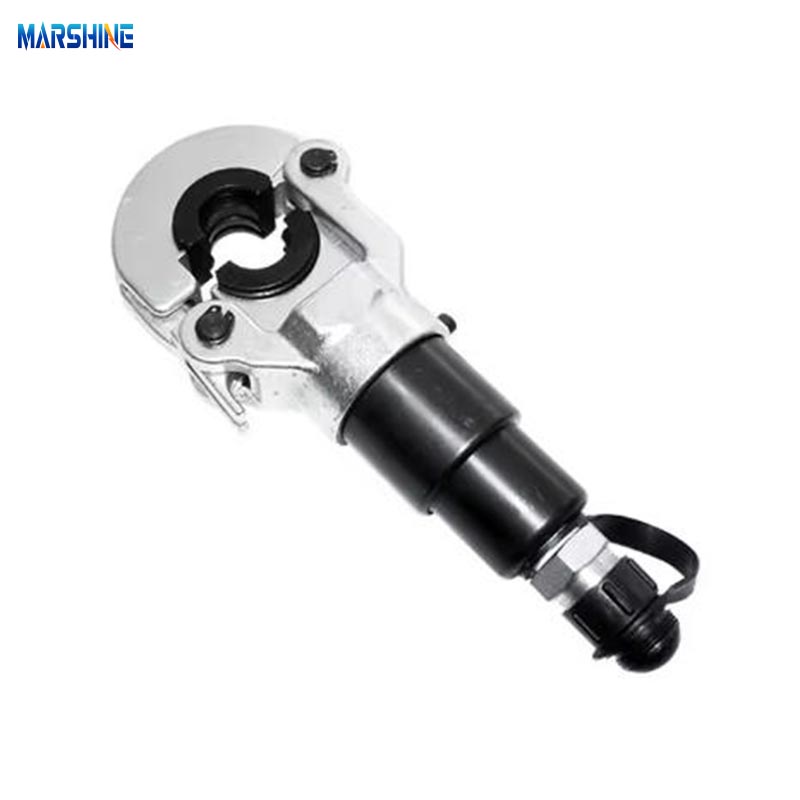
In demanding cable installation and repair work, the tool choice directly affects connection quality, crew efficiency, and access in tight spaces. A split hydraulic crimp tool is designed to deliver high crimping force through a compact head connected to a separate hydraulic pump, making it easier to handle than bulkier one-piece units. This article explains how that design improves maneuverability, reduces operator strain, and supports more consistent crimps on heavy-duty conductors. It also sets out the practical benefits for field work, especially where space is limited and reliable electrical joints are critical.
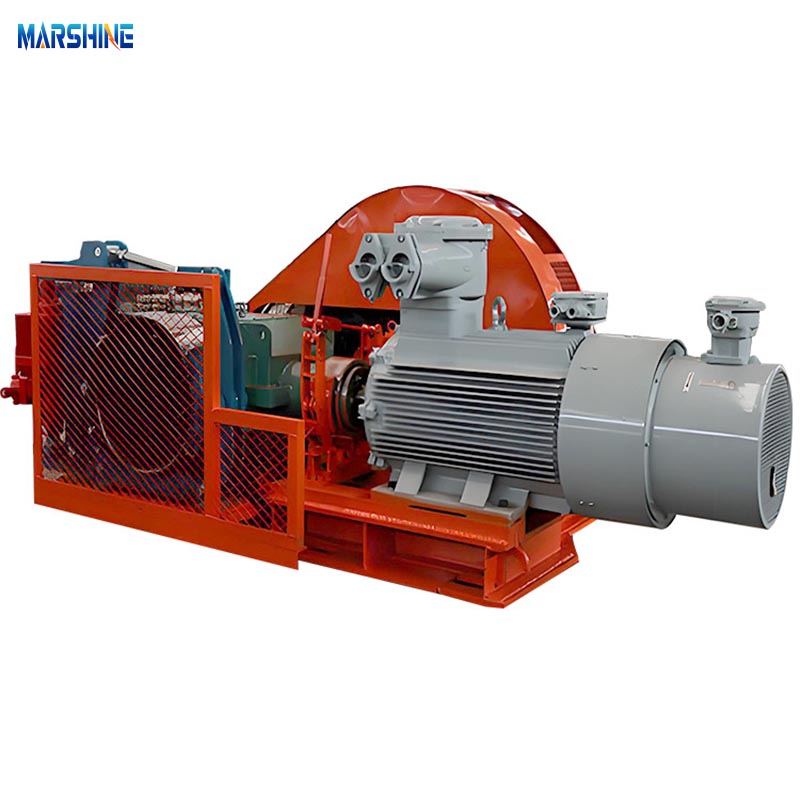
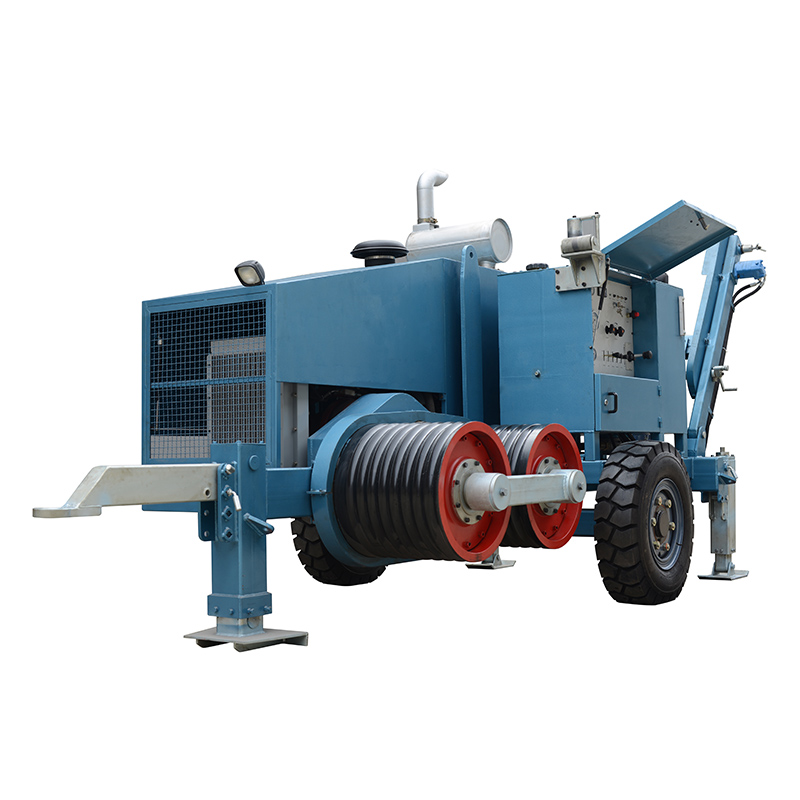
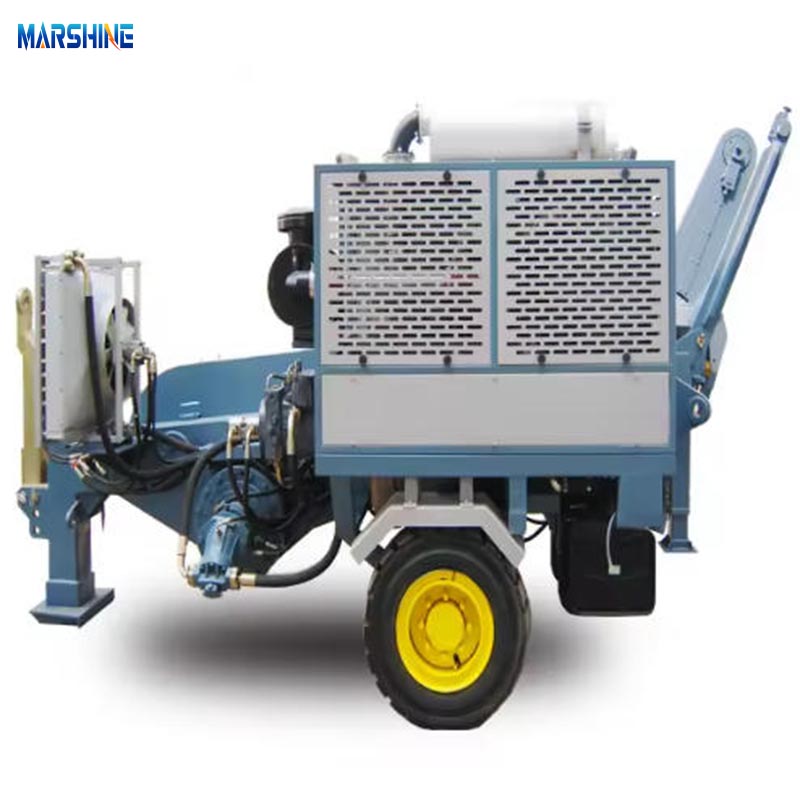
Modern line stringing demands more than raw pulling force; it requires steady tension, precise control, and reliable performance across long, challenging routes. A cable hauling machine addresses these needs by mechanizing conductor pulling, reducing manual strain, and helping crews protect expensive cable from damage during installation. This article explains how the machine improves efficiency, safety, and cable handling quality, while also showing which performance factors matter most when comparing equipment. With that context, it becomes easier to see why cable hauling machines play a central role in faster, cleaner, and more dependable transmission line projects.
Cable installation often looks simple on paper, but field teams know how quickly friction, sharp edges, poor alignment, and unstable pulling conditions can damage expensive cables or slow down a project.
Selecting a remote hydraulic crimping tool for cable work affects more than convenience: it influences connection quality, operator safety, and how efficiently crews can work in trenches, buckets, and other confined areas. The best choice depends on conductor size, required crimping force, head design, hose and pump configuration, and how well the tool holds up in harsh field conditions. This article explains the practical features that matter most, how remote systems differ from self-contained crimpers, and what to check before buying so you can match the tool to your applications, workload, and jobsite demands.
Cable laying is not difficult because cable has to move from one point to another. It becomes difficult because the cable is heavy, expensive, easily damaged, and often installed in narrow, dusty, outdoor, underground, or high-pressure project environments.
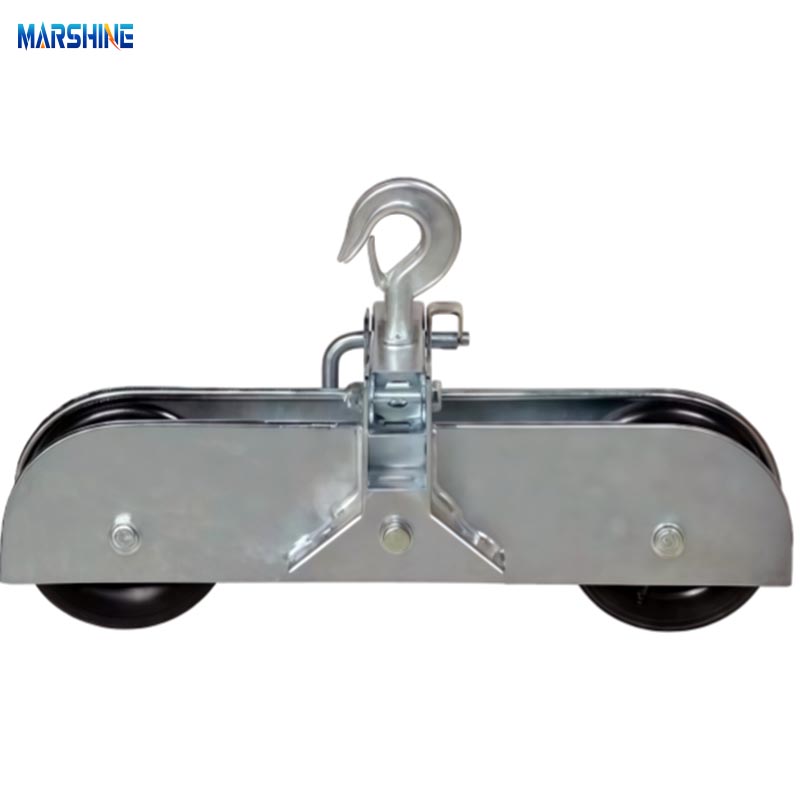
When a power line project slows down, the problem is not always the pulling machine, the tensioner, or the crew. Very often, the real trouble begins at the cable support point.
We use cookies to offer you a better browsing experience, analyze site traffic and personalize content. By using this site, you agree to our use of cookies.Privacy Policy
 15 2026-05
  11 2026-05
  11 2026-05
  08 2026-05
  07 2026-05
  27 2026-04