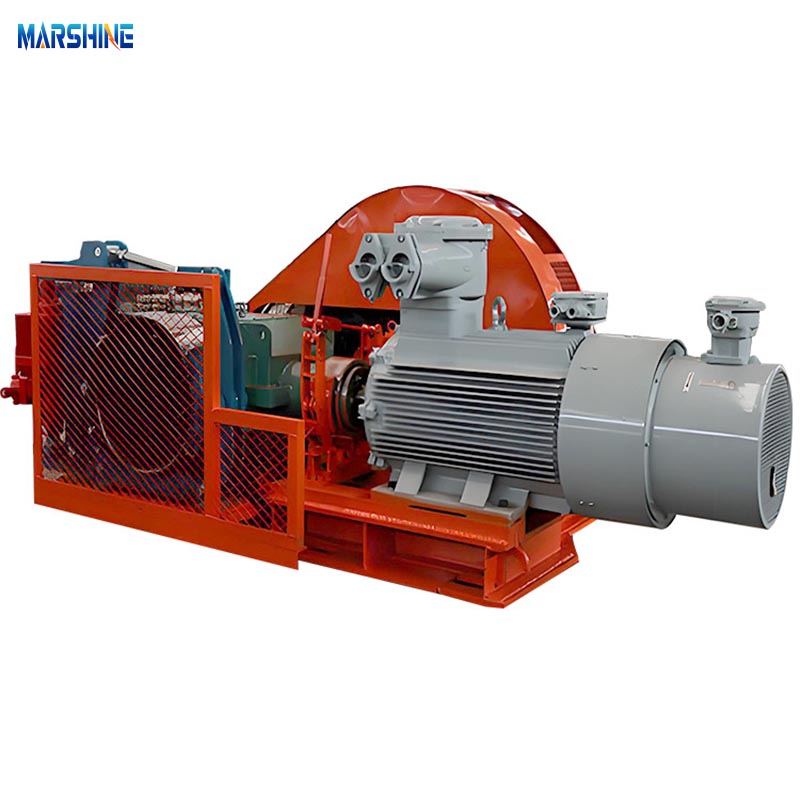
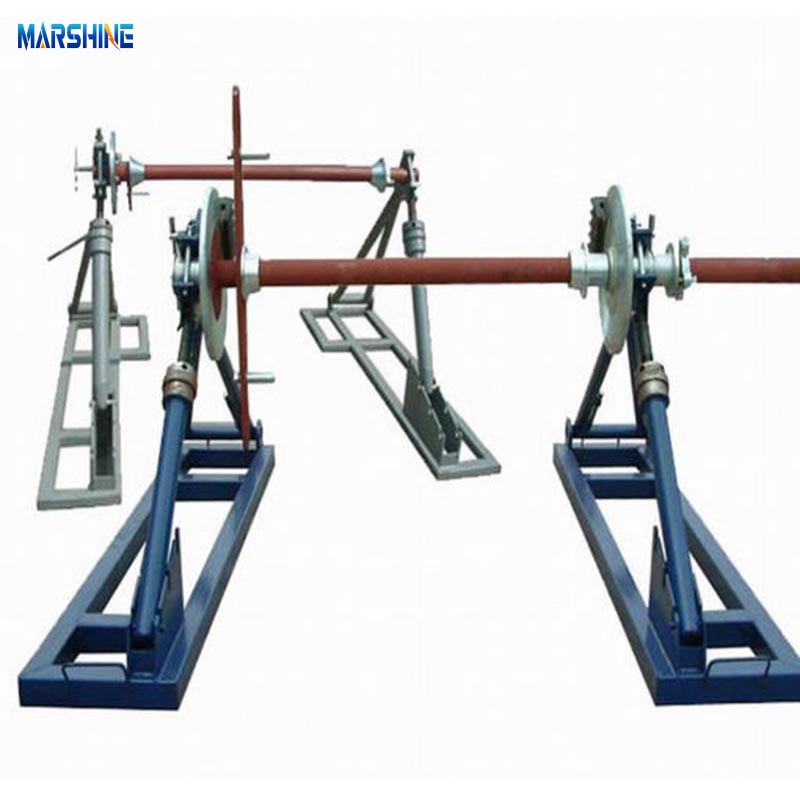
Heavy cable reels can turn a routine line construction task into a high-risk bottleneck. Manual cranking, improvised lifting methods, and undersized supports increase fatigue, slow setup, and expose crews to avoidable injury. Hydraulic cable payoff equipment changes that workflow by using controlled hydraulic lift power, matched stands, and heavy-duty spindles to raise and support loaded drums more efficiently. This article explains how these systems improve reel handling, what specifications matter most, and why details such as load rating, reel diameter, spindle fit, frame geometry, and cold-weather hydraulic performance should guide every selection. For utility and grid crews, the right payoff setup is not just convenient—it is a measurable safety and productivity upgrade.
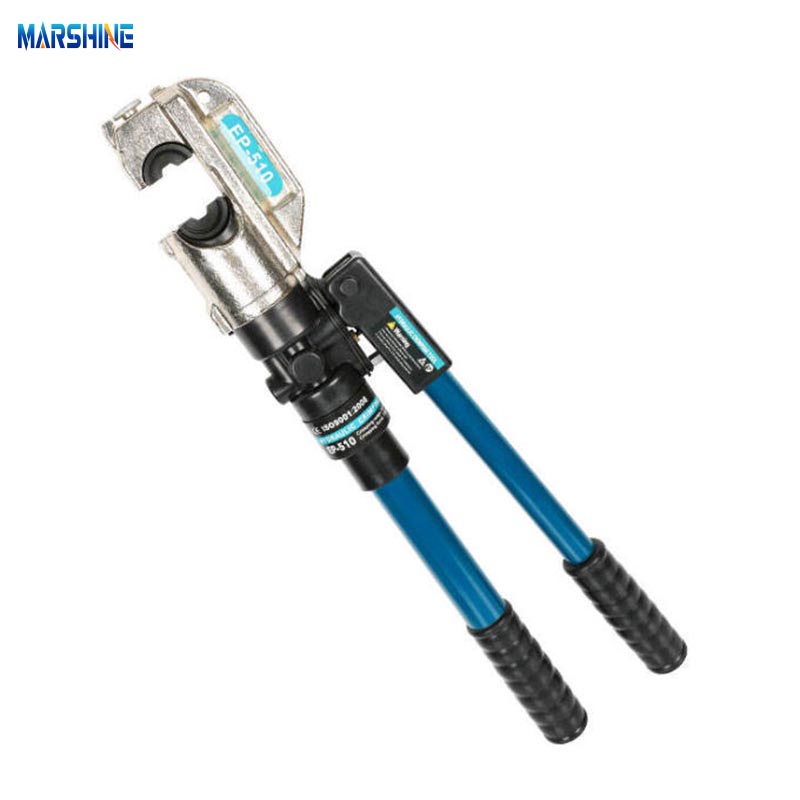
A cable termination can look clean and still fail if the crimper, die, lug, and cable specification do not match. For heavy-duty power, utility, and industrial cable work, a manual hydraulic crimping tool offers a practical middle ground between simple lever tools and costly battery-powered units. It can deliver high compression force without external power, but the right choice depends on cable size, terminal material, die profile, working access, and operator workload. This guide explains how to evaluate capacity ranges such as 16mm² to 400mm², compare die systems, and choose features that help produce consistent, low-resistance, mechanically secure crimps in demanding field conditions.
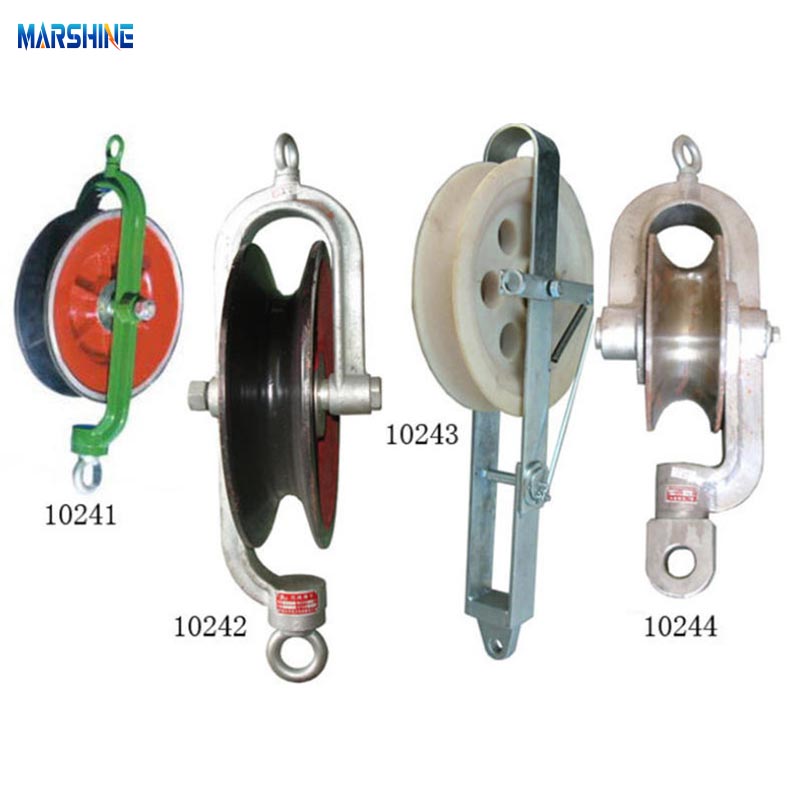
A cable stringing block may look like a simple wheel and frame, but on an overhead line project it becomes a critical load-bearing control point. The wrong choice can damage conductors, increase pulling tension, delay crews, or create unsafe tower conditions. This guide explains how to match a block to real field requirements, including working load limit, design factor, sheave groove size, conductor type, span conditions, bearing protection, and wheel material. Whether you are planning a light distribution pull or a bundled transmission installation, understanding these specifications helps you choose equipment that runs smoothly, protects the line, and supports safer, more efficient construction.
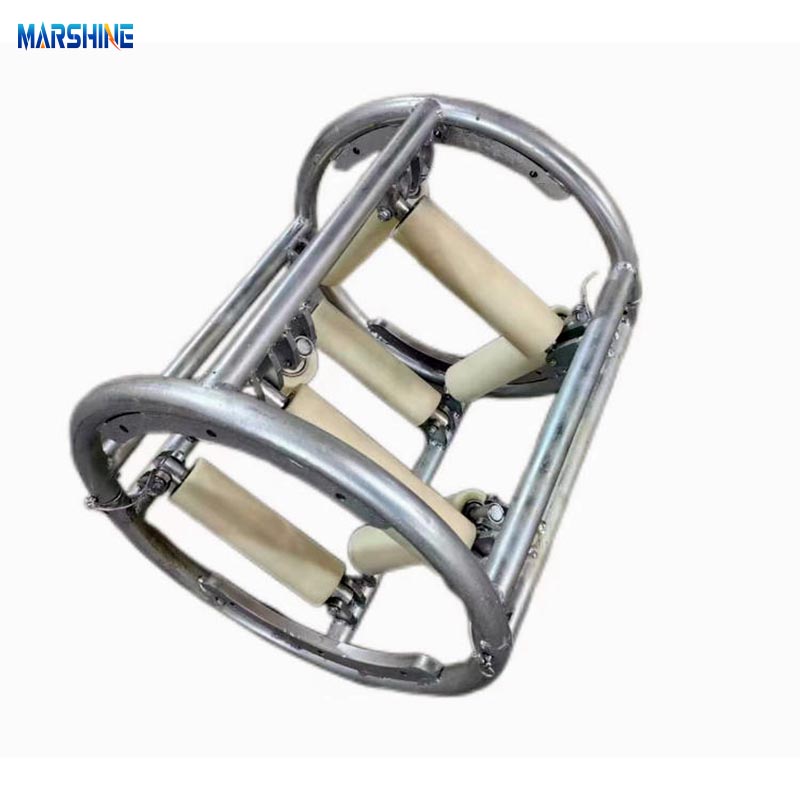
Cable damage during installation is often caused less by the pulling force itself than by where that force is concentrated. In trenches, manholes, and conduit entries, a cable can scrape, flatten, or over-bend in seconds if it is allowed to drag across hard edges. A well-selected cable guide pulley gives crews a controlled rolling path, lowering friction while helping maintain the cable’s required bend radius. This article explains how pulley size, groove geometry, bearings, and placement affect cable safety, especially in underground electrical and fiber-optic work. It also highlights a practical reality: pulleys reduce risk, but they must be matched, maintained, and used with tension control and lubrication.
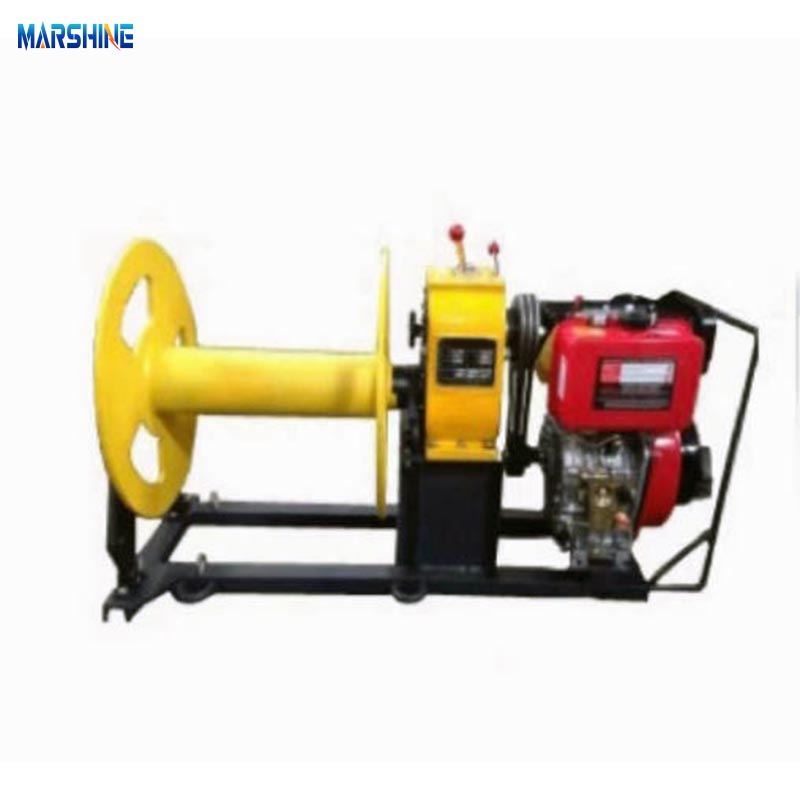
Remote utility projects often fail or fall behind for one simple reason: the crew has pulling work to do but no reliable power source nearby. In power-grid expansion, telecom cable installation, and difficult conduit runs, a petrol engine winch gives field teams independent pulling force without the added burden of transporting generators. The result is faster setup, less manual strain, and more consistent control over cable movement in rough terrain. This article explains how petrol-powered winches support construction crews, why specifications such as 3-ton to 5-ton capacity and variable line speed matter, and how capstan designs, tensioners, stringing blocks, and drum trailers work together to improve safe cable pulling.
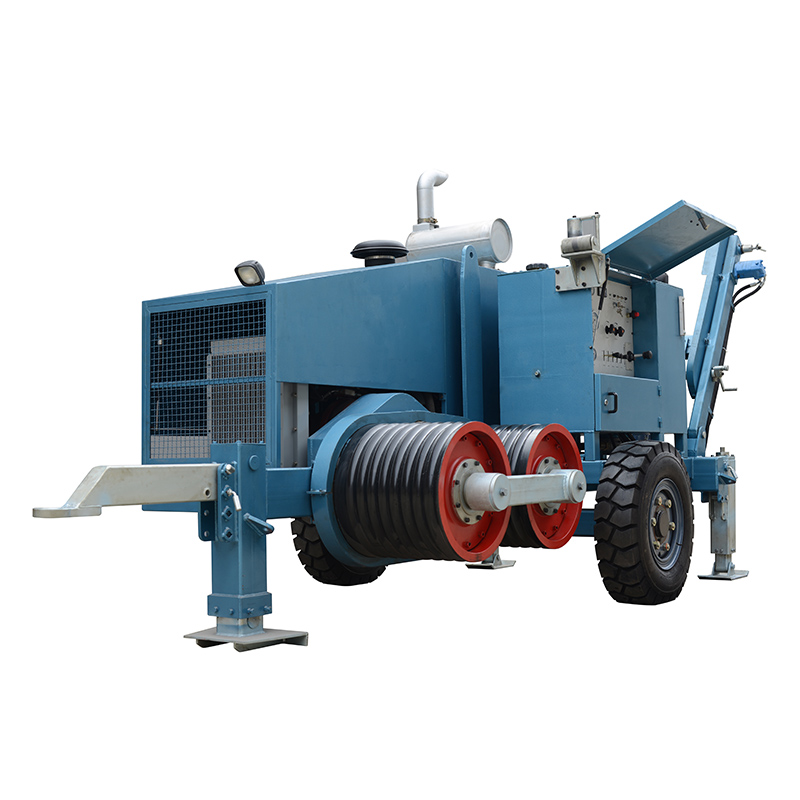
A conductor stringing project can fail quickly if tension is inconsistent: sagging cable may strike obstacles, delicate OPGW can be damaged, and crews may face unnecessary safety risks. The right hydraulic tensioning equipment keeps conductors controlled across demanding spans, whether the route crosses mountains, forests, roads, or rivers. This guide explains how to assess site conditions, calculate capacity needs, match the tensioner with pulling machinery and stringing blocks, and evaluate critical features such as bull wheel design, braking systems, hydraulic control, and cooling. By focusing on measurable project requirements instead of generic specifications, buyers can select a machine that improves safety, productivity, and conductor protection.
We use cookies to offer you a better browsing experience, analyze site traffic and personalize content. By using this site, you agree to our use of cookies. Privacy Policy
 10 2026-08
  06 2026-08
  05 2026-08
  31 2026-07
  23 2026-07
  17 2026-07